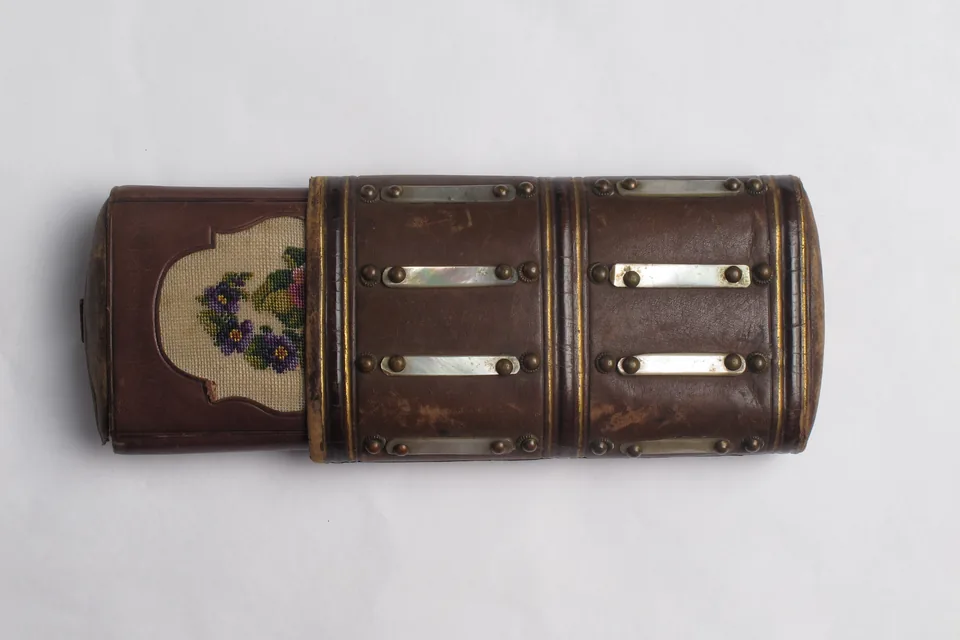
A good cigar travel case keeps cigars from being crushed, dried out or cooked on the way to wherever you plan to smoke them. In Malaysia that last risk is real. A cigar can survive a long flight, yet ruin in an hour on a car dashboard. This guide explains the types of case, how to manage humidity and heat, and what to know at the border.
Why cigars need protection on the move
A premium cigar is fragile. The wrapper is a thin, elastic leaf, and it cracks when it dries or gets knocked. The filler inside holds oils that give flavour, and those oils suffer in heat. At home, a humidor protects both. On the road, a case has to do the same job in a smaller space.
There are three threats to plan for. First, pressure and knocks in a bag. Second, dry air in aircraft cabins and air-conditioned rooms. Third, heat, especially in cars and on terraces. Different cases solve different threats.
Types of cigar travel case
No single design does everything. The table compares the main options.
| Case type | Crush protection | Holds humidity | Best for |
|---|---|---|---|
| Leather or fabric sleeve | Low to medium | No | An evening out |
| Leather case with a hard liner | Medium | No | A day or a short trip |
| Single tube (metal, glass or wood) | High | Briefly, if sealed | One cigar in a pocket |
| Hard-shell travel humidor | High | Yes, if gasket-sealed | Trips of several days or more |
| Sealed plastic box | Medium | Yes | A low-cost backup |
Leather cases
Leather cases are elegant and slim, and they slip into a jacket or bag. Most hold two or three cigars in finger-like tubes. Better ones have a hard inner liner, often cedar-lined, that resists crushing. Still, leather is not airtight. In a cold, air-conditioned office, cigars in a leather case begin to dry within a day or so.
Check the fit before relying on any case. A case built for slim coronas will squash a thick robusto, while a loose fit lets cigars rattle around.
Tubes
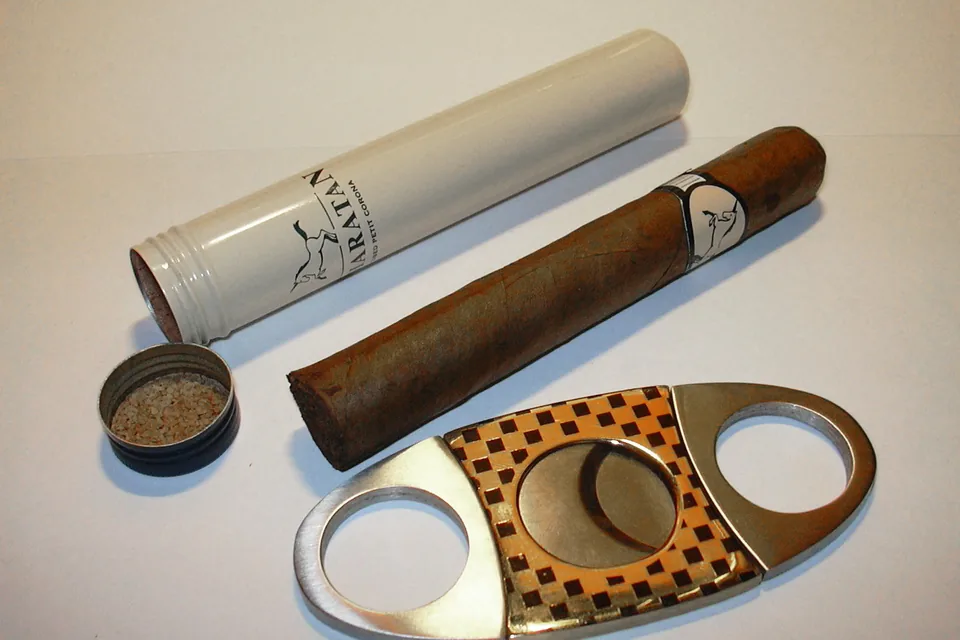
Many cigars come in their own aluminium or glass tube. These tubes are excellent for carrying a single cigar, and you can keep them for reuse. Metal and carbon-fibre tubes are also sold separately, sometimes with a screw-top seal. A sealed tube holds humidity for a short time, but it has no way to add moisture back.
Travel humidors
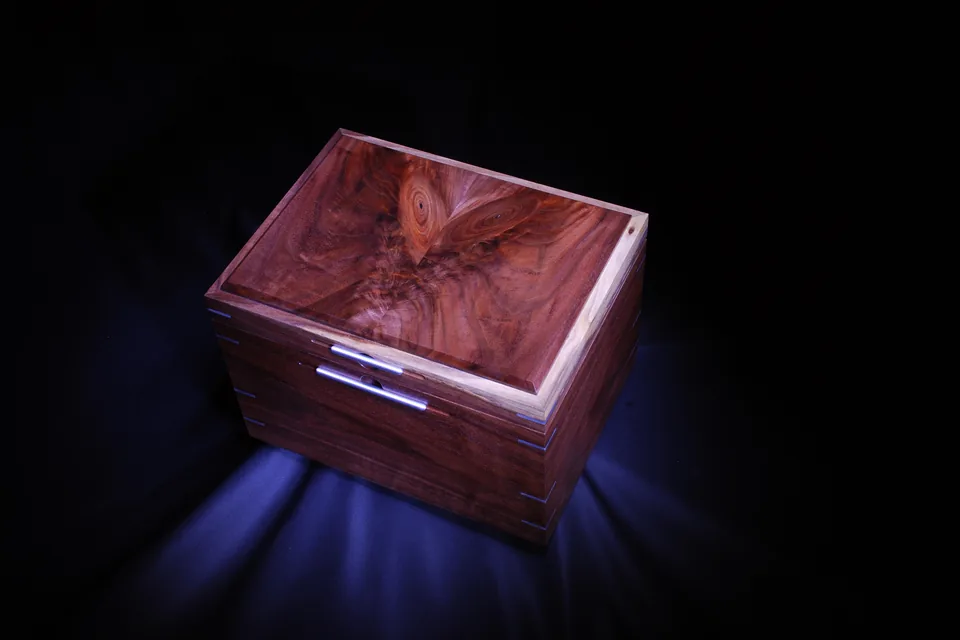
A travel humidor is a hard-shell box with a rubber gasket and a foam or cedar interior. Because the gasket seals the lid, it holds its own humidity. Add a two-way humidity pack and the box keeps cigars at a steady level for weeks. This is the best choice for a long trip or a holiday where you will smoke daily.
Look for a firm latch, a gasket that seals evenly, and an interior that grips cigars of different sizes. Some cases have a small hygrometer inside, though cheap built-in gauges are often inaccurate.
Keeping humidity right on the road
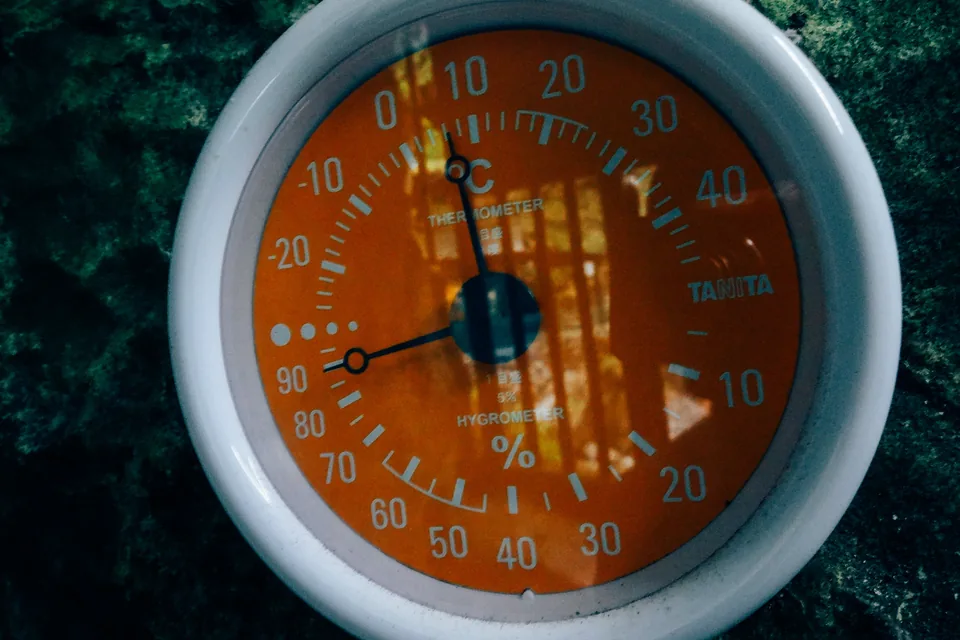
Most cigars are happiest at roughly 65 to 70 per cent relative humidity. Our guide to cigar humidity explains why. In a sealed case, a two-way humidity pack is the simplest tool. It adds moisture when the air is dry and absorbs it when the air is damp.
That two-way action matters in Malaysia. Outdoor air often sits between 70 and 90 per cent. Indoors, air-conditioning pulls moisture out fast. A case carried between the two sees both extremes in a single afternoon.
Before a trip
Pack cigars into the travel case a day early, with a fresh humidity pack. That gives the case time to settle. Then check the cigars feel springy, not hard or spongy.
Heat: the Malaysian car problem
A parked car in the Malaysian sun becomes an oven. The cabin, the glovebox and especially the dashboard get far hotter than the outside air. In that heat, cigars can dry, crack and lose their aromatic oils. In addition, warm, humid conditions encourage tobacco beetles to hatch in any cigar that carries their eggs.
So the rule is simple: never leave cigars in a parked car. Take the case with you. If you must leave it for a short time, put it in an insulated bag in the coolest, shaded part of the car, never in the boot under direct sun. The same applies to cigar lighters, since heat raises the pressure in butane tanks.
Flying with cigars
Air travel adds two issues: handling and dry cabin air. A hard case in your cabin bag solves both better than any checked bag can.
- Cabin or checked? Keep cigars in the cabin. Checked bags get thrown, delayed and sometimes left in the heat on the apron.
- Cabin dryness. Aircraft air is very dry. A sealed travel humidor keeps cigars stable even on a long-haul flight via Dubai or Doha.
- Pressure changes. Cabins are pressurised, so cigars themselves are fine. However, a tightly sealed case may hiss or feel stiff when opened after landing. That is normal.
Accessories need separate attention. Cutters often count as sharp objects, and lighters are dangerous goods with strict limits. Our guides to cigar cutters and cigar lighters explain the details. Check your airline and the Civil Aviation Authority of Malaysia before you pack.
Customs: Malaysia and Singapore
Bringing cigars across a border is a customs matter, not just a packing one. Allowances, duty and paperwork vary by country and change from time to time.
For Malaysia, read our guide to bringing cigars into Malaysia before you travel. It covers allowances, duty and declarations.
Singapore is stricter than many travellers expect. According to Singapore Customs, there is no duty-free concession for tobacco products at all. Travellers must declare any tobacco they carry and pay duty and GST, even on small amounts. That applies whether you cross the Causeway from Johor Bahru or fly into Changi. Singapore also has packaging rules for tobacco products, so check the Customs page before you go.
Check the rules before every trip
Customs rules change. Always confirm current allowances with the official customs authority of the country you are entering.
Cigars in hotel rooms
Hotel rooms bring their own challenges. Air-conditioning runs constantly, so the air is often very dry. Meanwhile, the room outside the window may be humid and hot.
Keep cigars sealed in your case, not on the desk. Avoid placing the case near the air-conditioning vent, on a sunny windowsill, or in the minibar fridge. Also, remember that most hotel rooms in Malaysia are non-smoking. Look for a designated smoking area or a hotel cigar room instead. Our guide on where to smoke cigars in Malaysia explains the rules.
Choosing your cigar travel case
Think about how you travel most. A dinner or an evening out needs only a leather case that fits your usual size. Weekends away call for a sealed tube or a small hard case. On long trips, a cigar travel case worth having is a gasket-sealed travel humidor with a humidity pack. Then, back home, move the cigars into proper storage. Our pillar guide on how to store cigars shows how.
Frequently asked questions
Can you bring cigars on a plane?
Generally yes, as personal items, though customs limits and duty apply when you land. Pack them in a sealed hard case in your cabin bag. Lighters and cutters face separate, stricter rules, so check those with your airline.
How long do cigars last in a travel case?
In an unsealed leather case, a day or two at most in dry air-conditioning. In a sealed travel humidor with a two-way humidity pack, they can stay in good condition for weeks.
Can I bring cigars into Singapore duty-free?
No. Singapore Customs states there is no duty-free concession for tobacco products. You must declare them on arrival and pay duty and GST, even for small quantities.
Should I put cigars in checked luggage?
It is better not to. Checked bags can be crushed, delayed or left in hot or cold holds. A cabin bag stays with you and stays at a steady temperature.
How do I keep cigars fresh in a hotel room?
Keep them sealed in your travel case with a humidity pack. Do not leave them out under the air-conditioning vent or in the sun by a window, and avoid the minibar fridge.