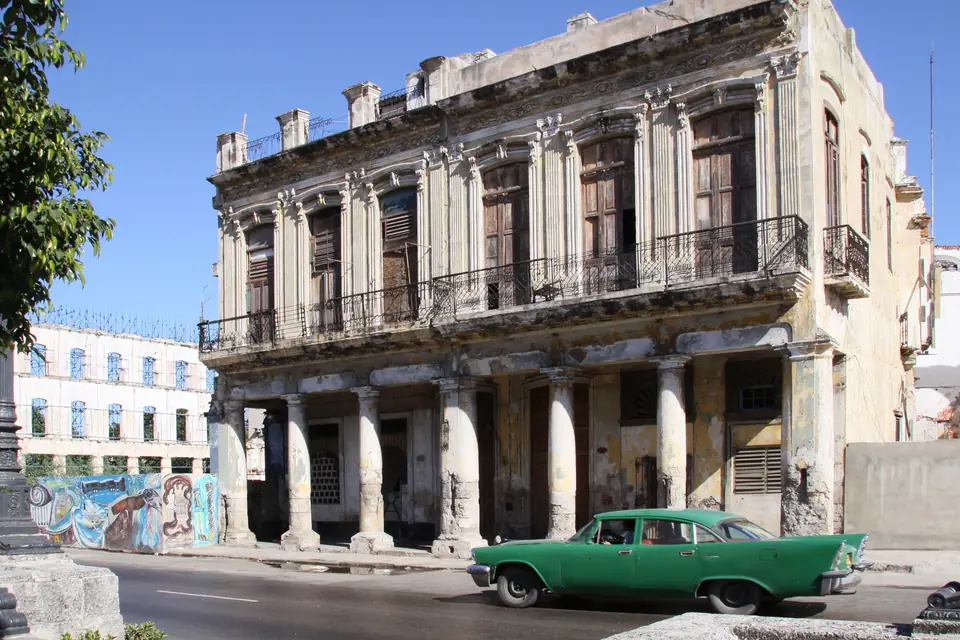
Cuban cigars are the most famous cigars in the world, and in Malaysia they are also the easiest premium cigars to find. Because Malaysia has no embargo on Cuba, a Cohiba or Montecristo sits legally on a humidor shelf in Kuala Lumpur, unlike in the United States. This guide explains where Cuban tobacco grows, how factories make Habanos, what every seal and stamp on the box means, and how to judge them fairly.
What makes a cigar Cuban
A Cuban cigar, or Habano, has to meet two simple tests. First, every leaf inside it must come from Cuban soil. Second, a Cuban factory must roll it, and Habanos S.A. must sell it. Habanos is, the company that holds the worldwide rights to market and distribute Cuban cigars. Nothing else counts, however Cuban the name on the band sounds.
That second point matters more than people think. After the 1959 revolution, many cigar families left Cuba and took their brand names with them. As a result, you will find a Dominican Montecristo, a Honduran Punch and a Nicaraguan Partagás-style blend, all with no Cuban leaf at all. We explain the trademark split later in this guide.
The word Habano causes confusion too. On a Cuban box, it means a Cuban cigar. In the wider trade, “habano” also names a Cuban-seed wrapper grown in Nicaragua or Ecuador. Same word, very different meaning.
Where Cuban tobacco grows
Cuban tobacco comes from a handful of zones, each protected by a Denominación de Origen Protegida (DOP). This is the same idea as Champagne in France. It ties the name to a place, and written rules govern how growers and factories work. According to Habanos S.A., the main zones are these.
| Zone | Province / area | What it supplies |
|---|---|---|
| Vuelta Abajo | Pinar del Río, far west | The only zone growing all three leaf types: wrapper, binder and filler. The source of most Habanos |
| Semi Vuelta | Pinar del Río, east of Vuelta Abajo | Mainly binder and filler for short-filler cigars; a tiny share goes to Habanos |
| Partido | Artemisa province, near Havana | Prized shade-grown wrapper leaf |
| Remedios (Vuelta Arriba) | Central Cuba (Villa Clara, Sancti Spíritus) | Leaf for the José L. Piedra brand |
| Oriente | Eastern Cuba | Historically important, but not used for Habanos today |
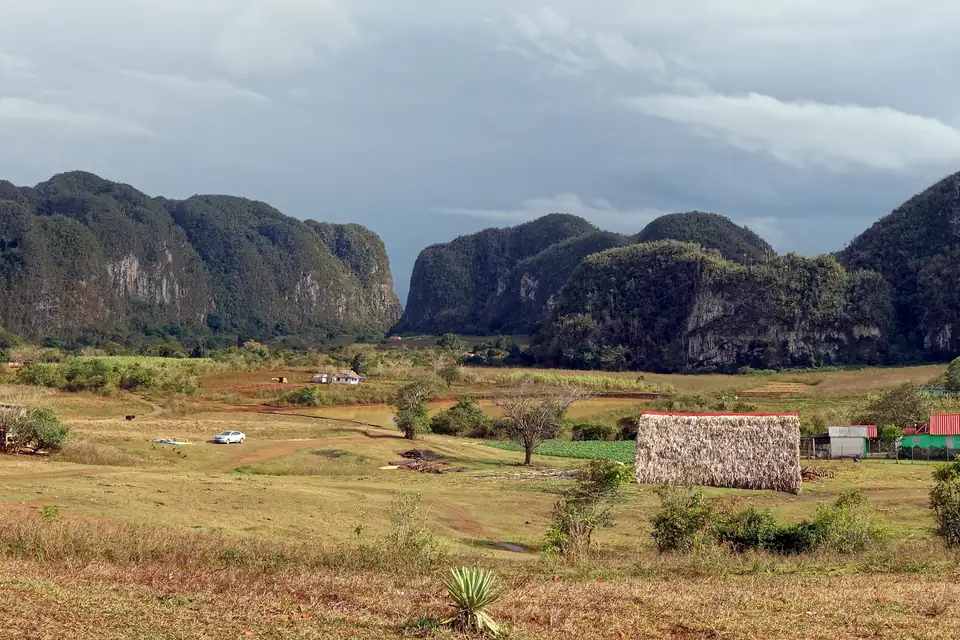
Vuelta Abajo: the heartland
The Vuelta Abajo is a strip of red, sandy soil in Pinar del Río province. Its two best-known districts are San Luis and San Juan y Martínez. San Luis is famous for wrapper leaf, while San Juan y Martínez is known for filler and binder. Even here, Habanos says fewer than a quarter of the fields rank as vegas de primera, the first-class plantations.
A vega is simply a tobacco farm. The best of them, such as the farms that supply Cohiba, are almost as famous as the brands. Still, a great farm only sets the starting point. Weather, the harvest and the factory decide the rest.
Partido, Remedios and Oriente
Partido lies close to Havana. Its growers specialise in wrapper leaf, grown under cloth to keep it thin and even in colour. Meanwhile, Remedios in central Cuba is one of the island’s oldest growing areas. Today it feeds the José L. Piedra brand, a lower-priced line of cigars.
Oriente, in the far east, is where Columbus’s sailors first saw tobacco being smoked in 1492. Even so, its leaf does not go into Habanos now.
Cuban tobacco varieties
Two names dominate the history of Cuban leaf: Criollo and Corojo. Criollo, meaning “native”, is the old Cuban seed line. For decades it was the classic source of binder and filler. Corojo was a 1940s selection named after the El Corojo farm in San Luis. Growers selected it for wrapper: dark, reddish, oily and full of flavour.
The trouble was disease. Corojo was very vulnerable to blue mould and black shank. According to Cigar Aficionado, Cuba stopped growing the original Corojo in the late 1990s. It switched first to a hybrid called Habana 2000, then to newer lines.
| Variety | What it is | Typical use |
|---|---|---|
| Criollo | The traditional Cuban seed line | Binder and filler (historically) |
| Corojo | 1940s wrapper selection; retired in the late 1990s | Wrapper |
| Habana 2000 | Corojo crossed with a mild cigarette tobacco; disease resistant | Wrapper in the late 1990s and 2000s |
| Criollo 98 | Disease-resistant Criollo hybrid | Filler and binder; can also give wrapper |
| Corojo 99 | Disease-resistant Corojo hybrid | Wrapper |
| Newer lines (e.g. Corojo 2006, Criollo 2010) | Later crosses for resistance and yield | Mainly wrapper or filler, by type |
In short, the “Corojo” or “Criollo” in a modern Cuban cigar is almost always a descendant, not the original plant. Outside Cuba, the old Corojo lives on in Honduras and elsewhere, as our page on Honduran cigars explains.
Who makes and sells Cuban cigars
Cuban cigar production is a state industry. Tobacco farms sell their crops to the state, and state factories roll the cigars. Habanos S.A., founded in 1994, then markets and exports them. It is a joint venture. The Cuban state owns half, and the other half passed from Altadis and Imperial Brands to an Asia-based investor group in 2020.
Habanos works through one exclusive distributor per country or region. That distributor imports the cigars, pays the duties and supplies licensed retailers and lounges. For Malaysia, the distributor is The Pacific Cigar Company, which covers much of Asia-Pacific. Habanos reported record sales of about US$827 million in 2024, with Asia-Pacific making up roughly a quarter.
What "exclusive distributor" means for you
A box that arrives through the official channel has a traceable barcode, and trained staff have stored it properly. A box from a stranger’s suitcase may be real, but you have no way to know how it was kept.
The brand portfolio
Habanos sells about 27 brands. In 2019 it simplified how it groups them, replacing the older global, multi-local and local labels with two main groups.
| Group | Brands | Where you find them |
|---|---|---|
| Global brands | Cohiba, Montecristo, Romeo y Julieta, Partagás, Hoyo de Monterrey, H. Upmann | Every Habanos market |
| Portfolio – high value | Bolívar, Punch, Ramón Allones, Trinidad | Most markets |
| Portfolio – volume | José L. Piedra, Quintero, Vegueros | Most markets, lower prices |
| Portfolio – other | Cuaba, Diplomáticos, El Rey del Mundo, Fonseca, Juan López, La Flor de Cano, La Gloria Cubana, Por Larrañaga, Quai d’Orsay, Rafael González, Saint Luis Rey, San Cristóbal de la Habana, Sancho Panza, Vegas Robaina | Varies widely by country |
In practice, the six global brands are what most Malaysians see first. Cohiba, the flagship, gets its own guide on our Cohiba brand page. Smaller names, such as Ramón Allones or Saint Luis Rey, often turn up as limited releases instead.
How Cuban cigars are made
Making a Habano takes years, not days. Each stage removes harshness and builds flavour, so a shortcut at any point shows up in the finished cigar.
- Growing. Seedlings go into the fields between October and December, as the rainy season ends. Wrapper plants often grow under cloth, called tapado, to keep the leaves thin and smooth.
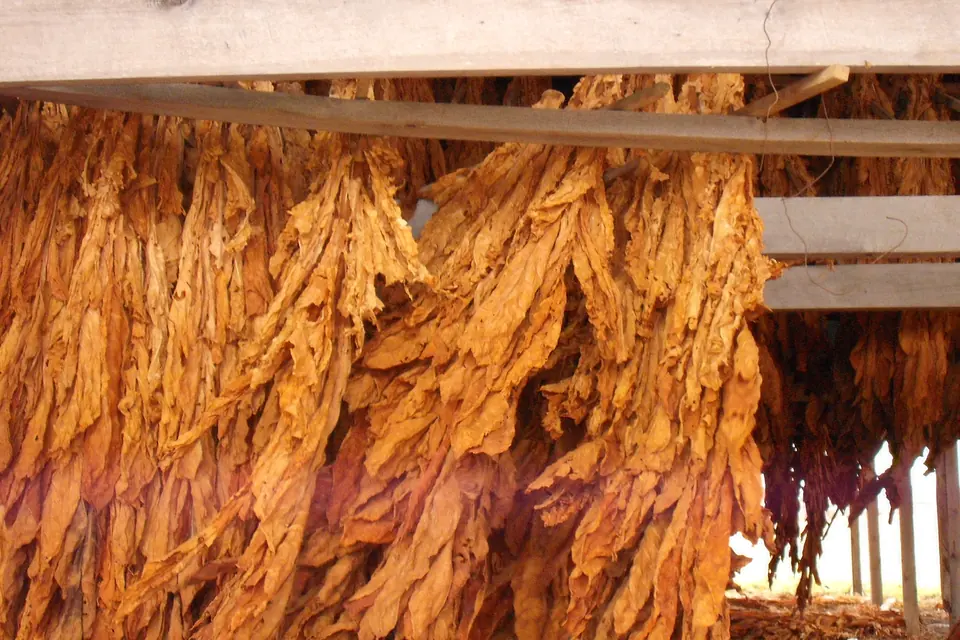
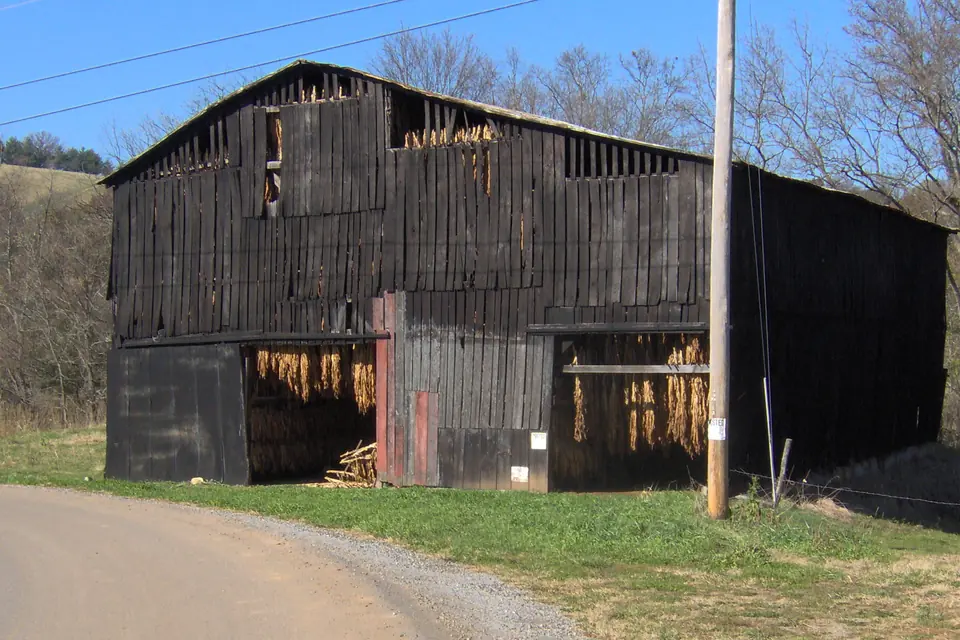
- Curing. Picked leaves hang in wooden barns for several weeks. They slowly turn from green to golden brown as moisture and chlorophyll leave them.
- Fermentation. Workers stack the leaves in large piles, where they heat up naturally. This fermentation burns off ammonia and bitterness. Strong leaves may go through it two or three times.
- Ageing in bales. Workers then pack the sorted leaf into bales and leave it to age. Habanos says strong filler leaves such as ligero are usually aged for around two years at least.
- Rolling. A torcedor builds each cigar by hand from filler, binder and wrapper. Cuban cigars use long filler and are usually finished with a triple cap.
- Resting in the escaparate. Finished cigars rest in a cool conditioning room, the escaparate, at about 16–18 °C and 65–70% humidity. This lets them recover after rolling.
- Sorting and boxing. Sorters grade cigars by wrapper colour so each box looks even. Then the cigars get their bands and go into boxes.
Most Habanos are totalmente a mano, totally handmade. Some cheaper lines are hecho a mano with short filler, or partly machine-made. The box stamp tells you which. Our guide to hand-rolled vs machine-made cigars explains why it matters.
Reading a Cuban cigar box
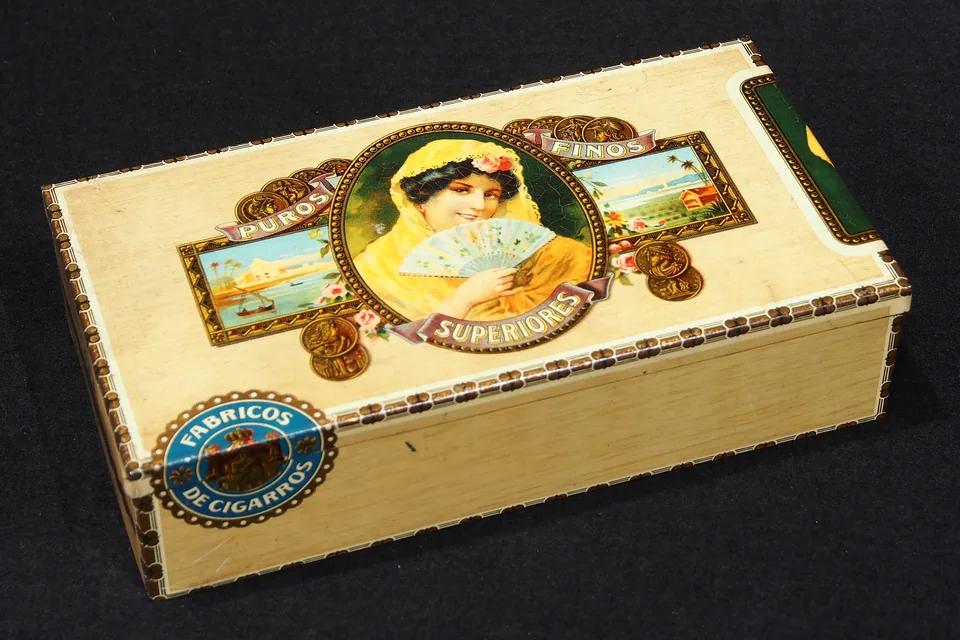
A box of Cuban cigars is full of information, once you know where to look. Learning to read it is also your first defence against fakes.
| Marking | Where | What it tells you |
|---|---|---|
| Cuban warranty seal | Front left corner, across the lid | Green-and-white government seal; since 2009 with a hologram on the right and a unique barcode on the left |
| Habanos seal | Often the front right corner | Habanos S.A. branding |
| “Hecho en Cuba” | Box underside, hot-stamped | Made in Cuba (used since 1989) |
| “Totalmente a mano” | Box underside | Totally handmade, long filler |
| Factory code | Box underside, ink stamp | A short letter code for the factory, kept confidential |
| Date stamp | Box underside, ink stamp | Month and year of boxing, e.g. “ABR 23” for April 2023 |
| Market or tax stamp | Varies | A local import or excise label, or a regional mark |
The warranty seal and hologram
The Cuban warranty seal has been around for over a century. In March 2009, Habanos introduced a new version. It added a hologram on the right-hand side and a personalised barcode on the left, next to the coat of arms. The seal is made from a synthetic paper that tears apart if anyone tries to peel it off. It also carries micro-dots that only a laser scanner can read.
The barcode links each box to a database showing the product, its market and its invoice. You can type it into the Habanos authenticity check to confirm that the code exists. Bear in mind, though, that a real code can be copied onto a fake box. Treat the check as one test among several, not a final verdict.
Holograms on the band
Bands have changed too. Cohiba Behike, launched in 2010, was the first Cuban cigar with holographic security on its band. Later, holographic Cohiba bands spread to the Línea Clásica and Siglo lines, according to Cigar Aficionado. So a modern Cohiba with a flat, printed band is a reason to look more closely.
Box codes and date stamps
Collectors call the two ink stamps on the bottom of the box the box code. Since 2000, the date stamp has shown three Spanish letters for the month and two digits for the year. For example, “ENE” is enero (January) and “DIC” is diciembre (December). The factory code, by contrast, is a letter group whose key Habanos has never published.
Collectors care about box codes because they reveal age. A box stamped ten years ago has had ten years to mature, if it was stored well.
Special releases: limited, aged and regional
Alongside the regular range, Habanos releases several kinds of special cigar each year. Habanos makes them in limited numbers, so they tend to cost more and get more attention.
| Release | What makes it special | Band |
|---|---|---|
| Edición Limitada | Since 2000. Darker wrappers from the upper plant, aged at least two years; since 2007 filler and binder also aged | Extra band with year |
| Reserva | All leaves aged at least three years; numbered boxes | Black and silver |
| Gran Reserva | All leaves aged at least five years; numbered boxes of 15 | Black and gold |
| Regional Edition | A cigar made for one country or region only | Extra band naming the region |
| Casa del Habano exclusives | Sold only through La Casa del Habano shops | Extra band |
Edición Limitada, Reservas and Gran Reservas
The Edición Limitada programme began in 2000. Usually there are three to five releases a year, often in sizes the brand does not normally make. The Habanos ageing page explains that wrappers come from the upper leaves, which are thicker and darker.
Reservas and Gran Reservas are about time in the bale. A Reserva uses leaf aged for at least three years, and a Gran Reserva for at least five. The first Gran Reserva, a Cohiba Siglo VI made from 2003-harvest tobacco, appeared in 2009. Both come in numbered, lacquered boxes, and they are among the most costly Habanos.
Regional Editions, including Asia-Pacific
A distributor proposes a Regional Edition, and Habanos makes it for that market only. Pacific Cigar Company has commissioned many for Asia-Pacific. In April 2021, for instance, it launched the San Cristóbal de la Habana Harimau Malaya at Cohiba Atmosphere Kuala Lumpur. This 2020 Regional Edition takes its name from the Malayan tiger, Malaysia’s national animal. Habanos called it the first-ever Exclusivo Malaysia. The run was just 8,888 boxes of 10 cigars, each 55 ring gauge by 130 mm.
Other recent Asia-Pacific releases have included a Cuaba in 2021, the brand’s first Regional Edition. Because these cigars come in small runs, they also attract counterfeiters.
Do Cuban cigars need ageing?
This is one of the oldest debates in the cigar world. Fans of ageing argue that young Habanos can taste sharp or “green”. With five or ten years of rest, they say, the edges soften and sweeter, more complex flavours appear. Many collectors buy boxes simply to put them away.
On the other hand, a cigar is ready to smoke when it leaves the escaparate. Habanos already ages its leaf before rolling, and a mild cigar may simply fade with long storage. In fact, there is little hard science on cigar ageing. Most of the evidence is experience and taste.
For Malaysians, the real limit is climate. Ageing only helps if conditions stay steady, at roughly 16–20 °C and 62–69% humidity. A hot flat with daily power cuts does more harm than good. Our guides on how to store cigars and how long cigars last cover the practical side.
Are Cuban cigars really the best?
Cuban cigars have a reputation that no other origin quite matches. Many smokers describe a distinctive profile: earth, leather, cedar, coffee and a sweet, almost floral spice. Long history, a protected origin and a sense of occasion all add to the appeal.
The consistency question
Still, honest critics point to weaknesses. Construction problems, such as tight draws and tunnelling, have been a common complaint, especially in years of high demand. Quality can also vary between boxes of the same cigar. That is partly because Cuba blends only Cuban leaf, so a poor harvest has nowhere to hide.
By contrast, top factories in Nicaragua and the Dominican Republic can buy leaf from several countries. That gives them more ways to smooth out a weak crop. Meanwhile, they have improved enormously since the 1990s. In blind tastings, many non-Cuban cigars now score as well as Habanos. In short, “Cuban” is a style and an origin, not a guarantee of a perfect smoke.
Cuban versus Cuban-seed
Plenty of New World cigars use Cuban-seed tobacco. Even so, the same seed grown in Estelí’s volcanic soil tastes different from leaf grown in Pinar del Río’s sandy soil. Nicaraguan cigars tend to be peppery and bold, while Dominican cigars are often smoother and creamier. Our guides to Nicaraguan cigars and Dominican cigars explain how they compare.
The trademark split: same name, different cigar
After the revolution, Cuba nationalised its cigar industry. Many families who had owned brands left the island. Some later registered their old brand names in the United States and elsewhere. As a result, several famous names now exist in two unrelated versions.
| Brand | Cuban version | Main non-Cuban version |
|---|---|---|
| Montecristo, Romeo y Julieta, H. Upmann | Habanos S.A. | Altadis USA, made mainly in the Dominican Republic |
| Partagás, Hoyo de Monterrey, Punch | Habanos S.A. | General Cigar Co., made in the Dominican Republic or Honduras |
| Cohiba | Habanos S.A. | General Cigar Co. in the US market only |
The non-Cuban versions are legitimate cigars, not fakes, but they share nothing with the Cuban originals except history. In Malaysia, you will mostly see the Cuban versions, since Habanos holds the trademarks here. A “Dominican Cohiba” offered locally should raise questions.
Cuban cigars in Malaysia
Malaysia trades normally with Cuba, so Cuban cigars are legal to import, sell and smoke here. The US embargo, imposed in February 1962, does not apply. That said, Malaysian rules are still strict. Cigars carry import duty and excise, and Act 852 bans tobacco advertising and online sales and restricts where you can smoke. Our guide to cigar laws in Malaysia explains the rules in plain English.
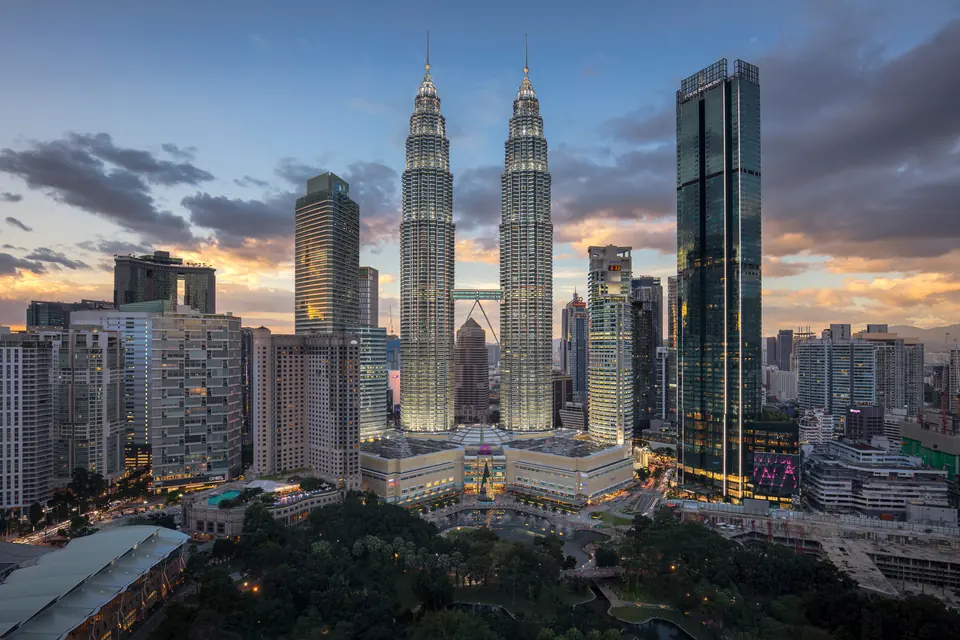
Habanos reaches Malaysia through The Pacific Cigar Company (Malaysia) Sdn Bhd, the exclusive Habanos distributor for Asia-Pacific. Its official network includes two Habanos-licensed concepts in Kuala Lumpur, La Casa del Habano and Cohiba Atmosphere. La Casa del Habano Kuala Lumpur opened in 1998 at the Mandarin Oriental, and Habanos marked its 20th anniversary in 2018. In May 2025 it moved to a new lounge on a lower floor of the same hotel. Our Kuala Lumpur guide covers the city’s cigar scene, and the distributor publishes its list of locations.
Prices and the fake-cigar risk
Cuban cigars in Malaysia cost more than in Cuba, mainly because of duty and excise. A regular Cohiba costs far more than a José L. Piedra, and limited editions cost more still. Our cigar price guide explains the ranges and why they vary.
If the price looks too good
Fake Cohibas and Montecristos circulate widely, both in Havana’s streets and online. A box offered well below the usual local price, without a proper seal, or by an informal seller, is very likely counterfeit. See our guide to counterfeit cigars before you spend money.
Finally, a note on health. No cigar, Cuban or otherwise, is safe to smoke, even if you do not inhale. Our page on cigar health risks sets out the evidence.
Where to go next
Cuban cigars are a good place to start, but they are one origin among several. For the story of how Havana became the world’s cigar capital, and how the embargo changed it, read our Cuban cigar history. To compare Cuba with its rivals side by side, see our overview of cigar producing countries. And if you are about to choose your first Habano, our guide to cigars for beginners suggests gentle sizes and strengths.
Frequently asked questions
Are Cuban cigars legal in Malaysia?
Yes. Malaysia has no trade embargo on Cuba, so shops can legally import and sell Cuban cigars here, subject to customs duty, excise and the advertising, sale and smoking rules of Act 852. See our guide to cigar laws in Malaysia for details.
Why are Cuban cigars illegal in the United States?
The US trade embargo on Cuba, in force since February 1962, bans the import and sale of most Cuban goods, including cigars. The rule is American, not international. In Malaysia, Europe and most of Asia, licensed distributors handle Cuban cigars openly.
Why are Cuban cigars considered so good?
Mostly because of Vuelta Abajo’s soil and climate, long experience, and the mystique of a single origin. Many smokers find a distinctive earthy, leathery and sweet-spiced character in good Habanos. That said, quality varies from box to box, and many non-Cuban cigars now score just as well in blind tastings.
How can I tell if a Cuban cigar is real?
Check for the green-and-white Cuban warranty seal with its hologram and barcode, a clear date stamp and ‘Hecho en Cuba’ on the box, and well-made cigars. Then check the code on the Habanos authenticity page. Our guide to counterfeit cigars goes through every sign.
Do Cuban cigars need ageing?
Not necessarily. They are ready to smoke when they leave the factory. Some smokers prefer them after a few years in stable storage, when strong young blends often soften. In Malaysia, ageing only works if you can keep cigars cool and at steady humidity.
What is the difference between a Cuban and a Cuban-seed cigar?
A Cuban cigar is made in Cuba from Cuban tobacco. A Cuban-seed cigar is made elsewhere, often in Nicaragua or the Dominican Republic, from tobacco grown from seed whose ancestors came from Cuba. Soil and climate change the flavour, so the two taste different.
Sources
- Habanos S.A. — Tobacco paradise (growing regions)
- Habanos S.A. — Ageing Habanos (Reservas, Gran Reservas, Ediciones Limitadas)
- Habanos S.A. — Authenticity Check
- Habanos S.A. — New warranty seal information note (March 2009)
- Habanos S.A. — Habanos kicks off the year focused on combating counterfeiting (2025)
- Cigar Aficionado — Cuba changes classification of cigar brands (2019)
- Cigar Aficionado — Tobacco typology
- Cigar Aficionado — Holographic band to appear on Cohiba Línea Clásica and 1492 lines
- Habanos S.A. — La Casa del Habano in Malaysia celebrates its 20th anniversary (2018)
- Pacific Cigar Company — Our locations
- halfwheel — San Cristóbal de la Habana Harimau Malaya is first Edición Regional for Malaysia
- Wikipedia — Habanos S.A. (pointer to ownership and sales sources)