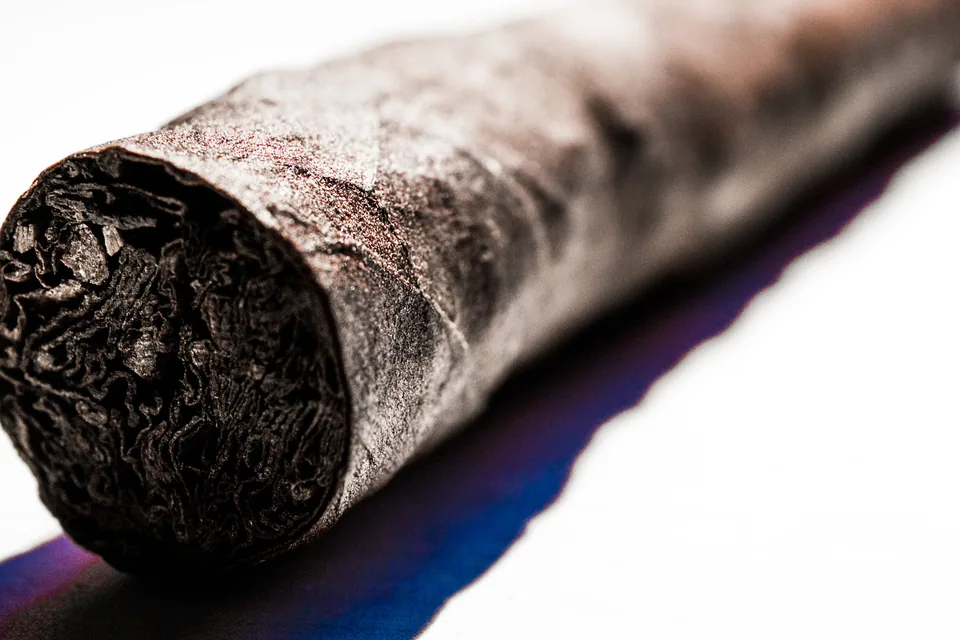
Honduran cigars often sit in the shadow of their neighbours, yet Honduras is the third great cigar country of the Americas. It ships more premium cigars to the United States than any country except Nicaragua and the Dominican Republic. Its tobacco is hearty and earthy, and its factories make everything from value bundles to rare limited blends. This guide covers the regions, the history, the producers and the flavour.
Where Honduran cigars are made
Honduran tobacco grows mainly in two parts of the country. The bigger cluster is in the south-east, around Danlí, close to the Nicaraguan border. The older one is in the west, around Santa Rosa de Copán.
| Region | Where | Known for |
|---|---|---|
| Danlí | El Paraíso department, south-east | The industry’s capital; dozens of factories |
| Jamastrán valley | Near Danlí | Rich soil; famous for Corojo leaf |
| El Paraíso and Talanga | South-east and centre | Filler and binder for many blends |
| Santa Rosa de Copán | Copán department, west | The oldest centre; home of the historic Flor de Copán factory |
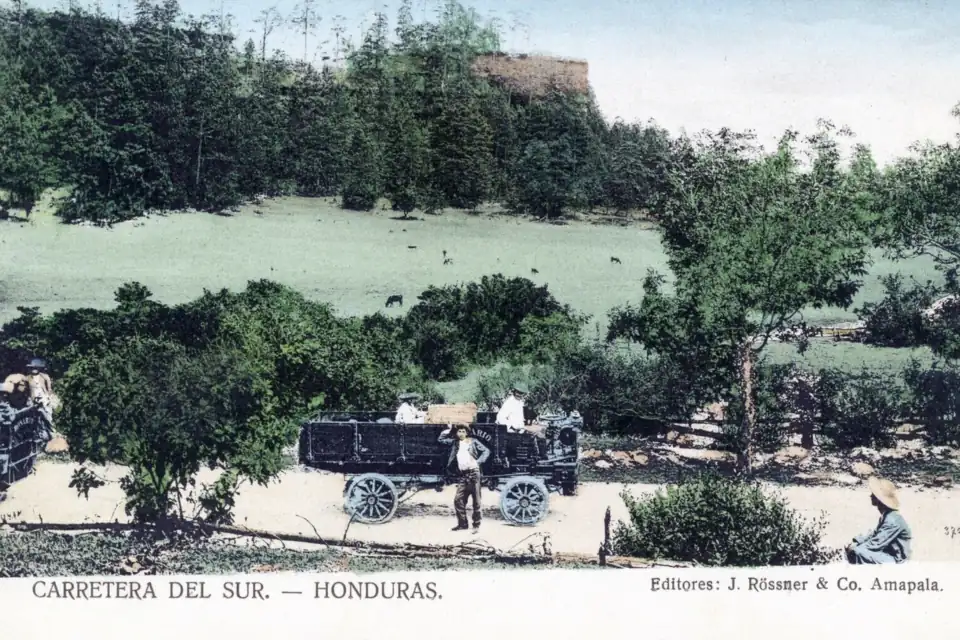
Danlí and the Jamastrán valley
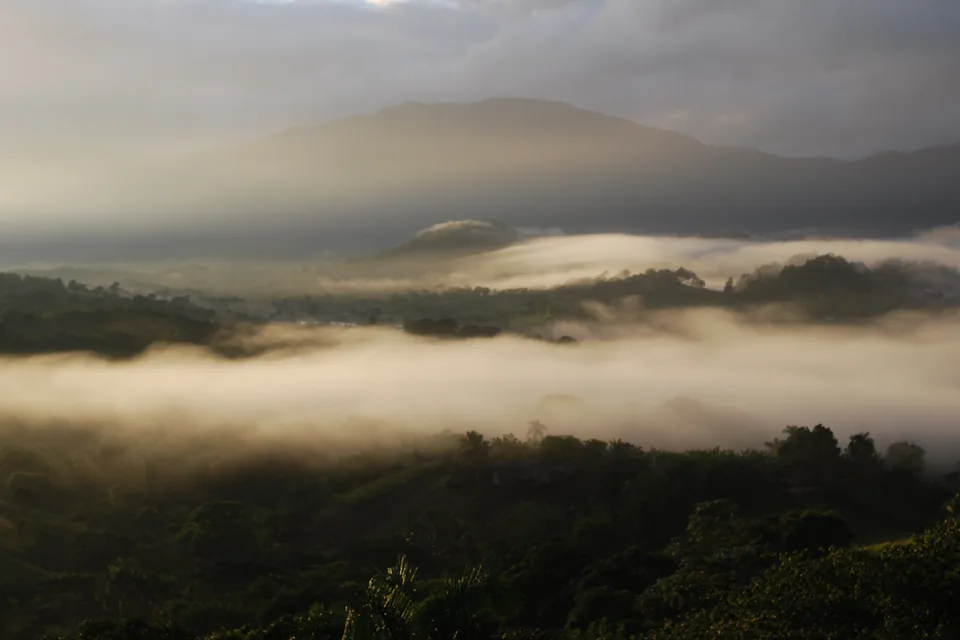
Danlí is a busy market town at about 800 metres. Its climate is warm by day and mild at night, much like Estelí across the border. As a result, many companies run factories in both towns and move leaf between them.
The Jamastrán valley, a short drive away, is the most famous Honduran field. It is closely tied to Corojo, the old Cuban wrapper variety. Cuba stopped growing the original Corojo in the late 1990s, but growers in Honduras kept it alive. Camacho, in particular, built its name on Jamastrán Corojo.
Santa Rosa de Copán
Santa Rosa de Copán has the longest tobacco history in Honduras. In 1765, the Spanish crown set up the Real Factoría de Tabacos there, a royal tobacco monopoly. The town grew rich on the trade, and its colonial centre still reflects that. Today the La Flor de Copán cigar factory carries on the tradition.
The tobacco Honduras grows
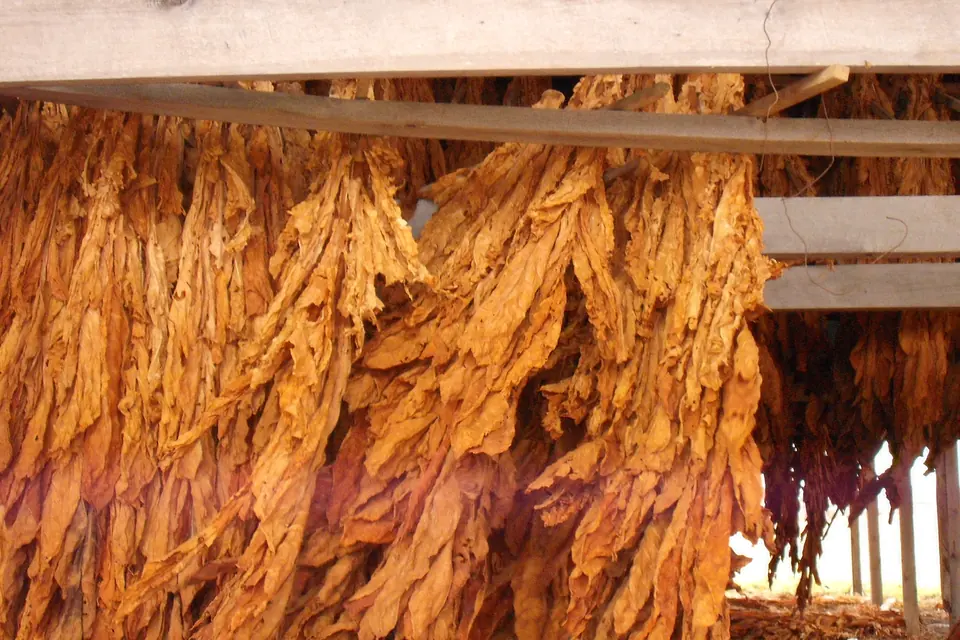
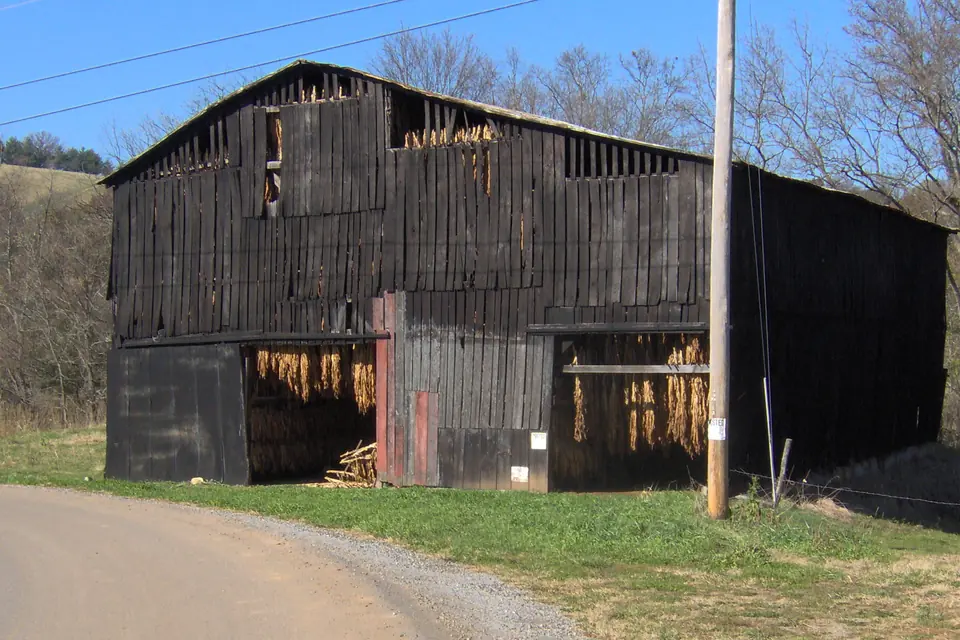
Like its neighbours, Honduras grows mostly Cuban-seed tobacco. Corojo is the star, but growers also plant criollo types, habano and newer hybrids. Some farms grow Connecticut-seed leaf under shade cloth for wrapper.
Honduras grows all three parts of a cigar: filler, binder and wrapper. So some brands make Honduran puros, with every leaf from one country. Even so, most blends mix in leaf from abroad. A common recipe pairs Honduran and Nicaraguan filler with a wrapper from Ecuador, Connecticut or Mexico.
Honduran Corojo deserves a special note. It is a demanding plant, prone to disease and low yields. Because of that, true Corojo wrappers tend to cost more than other leaf, and the name on a band does not always mean the original strain.
A short history of the Honduran cigar industry
Tobacco has grown in Honduras since colonial times. The modern premium industry, however, began in the 1960s. After the Cuban Revolution of 1959, Cuban growers and cigar makers looked for new land. Some settled in Honduras, drawn by soil and weather close to those of Cuba.
The 1980s gave Honduras a further boost. Across the border, war and a US trade embargo, from 1985 to 1990, made it very hard to export Nicaraguan cigars to America. So several cigar makers moved some of their rolling to Honduras for a time.
Then came the US cigar boom of the mid-1990s, which filled factories across Central America. Honduras grew quickly. In 1998, Hurricane Mitch brought terrible flooding and loss of life to the country, and many farms suffered. Still, the industry rebuilt. In 2017, Honduras sent 61.8 million premium cigars to the US, according to Cigar Aficionado, and it has remained the third-largest supplier since.
Who makes cigars in Honduras
Many well-known brands roll their cigars in Honduras, often in Danlí. Here are some of the main names, given as plain facts rather than recommendations.
| Producer | Background |
|---|---|
| Camacho | Founded in Miami in 1961 by Cuban exile Simon Camacho; later run by the Eiroa family; owned by Davidoff since 2008; rolled in Danlí |
| Rocky Patel | Founded in the mid-1990s; its first cigars were made in Honduras, and it runs a factory in Danlí as well as in Nicaragua |
| Plasencia | Grower and manufacturer of Cuban origin with factories in both Honduras and Nicaragua |
| Alec Bradley | US brand with much of its range made in Honduras |
| General Cigar | Makes the non-Cuban Punch and Hoyo de Monterrey in Honduras, mainly for the US market |
Our brand pages cover Rocky Patel, Plasencia, Punch and Hoyo de Monterrey in more depth.
Same name, different cigar
A Honduran Punch or Hoyo de Monterrey is a legitimate cigar, but it has nothing in common with the Cuban brand except history. In Malaysia, the Punch and Hoyo you see are almost always the Cuban versions. Our guide to Cuban cigars explains the trademark split.
What Honduran cigars taste like
Some smokers call Honduran tobacco the most “Cuban-like” of the Central American leaf, partly because of its Corojo heritage. Smokers commonly describe earth, leather, cedar, roasted nuts and a dry spice. The smoke tends to feel thick and chewy, with less of the sharp pepper of Estelí.
Strength varies widely. Value bundles are often medium, while Corojo-wrapped cigars can be full-bodied and spicy. Many modern cigars also blend Honduran and Nicaraguan leaf, since the same companies grow on both sides of the border. Our cigar strength guide explains how to judge what you are getting. If you are new to cigars, start with a medium Honduran blend in a smaller size, such as a robusto or corona, before moving on to the bigger Corojo cigars.
Honduran cigars in Malaysia
In Malaysia, Honduran cigars are less common than Cuban ones. They usually arrive through independent importers alongside Nicaraguan and Dominican brands. If you come across one, the band and box should state “Honduras” clearly, and there should be no Cuban warranty seal.
Storage deserves care too. Thick Corojo wrappers are oily and fairly tough, but they still crack if an air-conditioned room dries them out. On the other hand, a damp, warm cupboard invites mould and tobacco beetles. Our guide on how to store cigars covers both problems in a tropical home.
In the tropics, a hearty Honduran cigar pairs naturally with dark kopi or a rich rum. That said, smoking rules under Act 852 still apply, and no cigar is harmless. See our page on cigar health risks for the facts.
Compare with other origins
Honduras makes most sense next to its neighbours. Read our guides to Nicaraguan cigars for the peppery cousin across the border, Dominican cigars for the smooth Caribbean style, and Cuban cigars for the benchmark that Honduran Corojo still echoes.
Frequently asked questions
Are Honduran cigars good?
Yes, Honduras makes many well-regarded cigars, from everyday bundles to top-rated blends. It is the third-largest supplier of premium cigars to the US. Its cigars are often known for good value and a hearty, earthy flavour.
What is the difference between Honduran and Nicaraguan cigars?
The two countries share a border, similar climates and many of the same companies, so the styles overlap. Broadly, Nicaraguan cigars lean towards pepper and sweetness, while Honduran cigars lean towards earth, wood and leather. Many cigars blend leaf from both.
Is a Honduran Punch the same as a Cuban Punch?
No. Cuban factories make the Cuban Punch, and Habanos S.A. sells it. General Cigar makes a separate, non-Cuban Punch in Honduras, mainly for the US market. They share a name and history, but not tobacco.
Where is Danlí?
Danlí is a town in El Paraíso department in south-eastern Honduras, close to the Nicaraguan border. It sits at roughly 800 metres above sea level and is the centre of the Honduran cigar industry.