The cigar vs cigarette question comes up often, usually as “which is worse?” The honest answer is that both are harmful, in slightly different ways. A cigar and a cigarette differ in size, tobacco, curing, smoke chemistry and how people smoke them. Those differences shift where the damage lands, but they do not make either one safe. This guide compares the two side by side, then explains how Malaysian law treats them.
About this page
This page summarises published research and guidance from health bodies. It is not medical advice.
Cigar vs cigarette at a glance
| Feature | Cigarette | Premium cigar |
|---|---|---|
| Tobacco per stick | Under 1 g | About 5–20 g for a large cigar |
| Wrapper | Paper | Tobacco leaf |
| Tobacco type | Usually a blend of tobaccos, cut fine | Air-cured, fermented leaf, often aged |
| Additives and filter | Often additives; usually filtered | Usually no filter |
| Nicotine content | About 8 mg on average | Roughly 10 mg to over 400 mg |
| Smoking time | A few minutes | 30 minutes to two hours or more |
| Usual smoking pattern | Inhaled into the lungs | Held in the mouth, often not inhaled |
| Main cancer risks | Lung, mouth, throat and many others | Mouth, throat, larynx, oesophagus, lung |
| Malaysian legal status | Tobacco product under Act 852 | Tobacco product under Act 852 |
Nicotine figures come from the NCI’s Monograph 9 on cigars. Tobacco weights come from the NCI fact sheet.
Composition and size
A cigarette is a thin tube of finely cut tobacco wrapped in paper. Most carry a filter, and many contain added flavours or other ingredients. Each one holds less than a gram of tobacco.
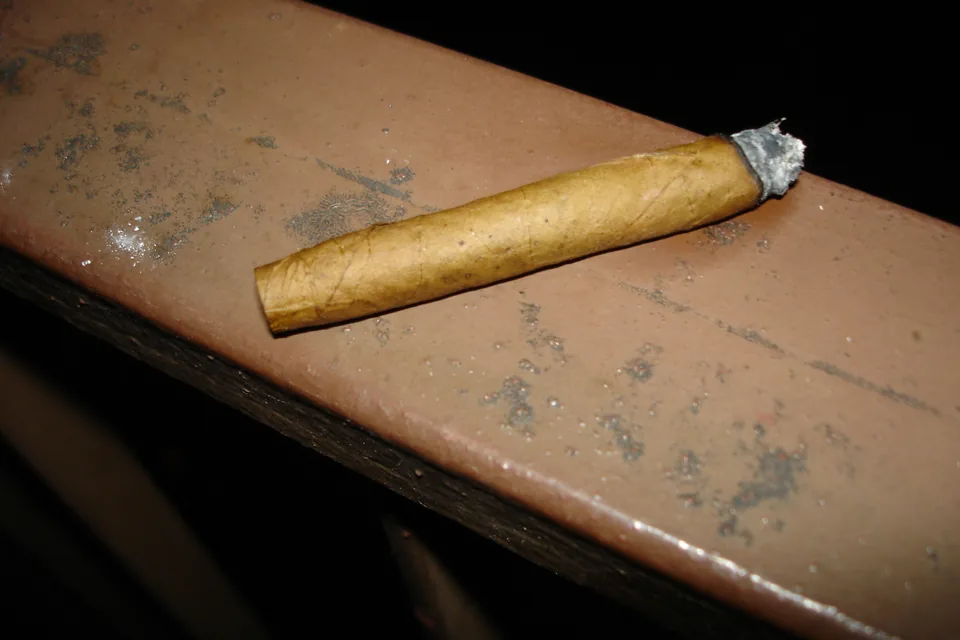
A premium cigar is built differently. It has filler leaves in the centre, a binder leaf holding them together, and a wrapper leaf on the outside. Everything is tobacco. According to the NCI, a large cigar holds between 5 and 20 grams of tobacco. In other words, one large cigar can equal a whole pack of cigarettes.
Between the two sit cigarillos and little cigars. Cigarillos hold about 3 grams of tobacco, and little cigars about 1 gram. Many look and smoke much like cigarettes. Our guide to cigarillos covers them in detail.
Nicotine per stick
Because a cigar holds far more tobacco, it can hold far more nicotine. NCI research found that cigarettes contain about 8 mg of nicotine on average. By contrast, the cigars it tested ranged from about 10 mg to more than 400 mg.
The NCI says a single cigar can potentially provide as much nicotine as a pack of cigarettes. The FDA adds that large cigars can deliver up to 10 times the nicotine of a filtered cigarette. Of course, how much you absorb depends on how long you smoke and how you puff. Still, cigars are fully capable of causing nicotine addiction.
Curing and fermentation
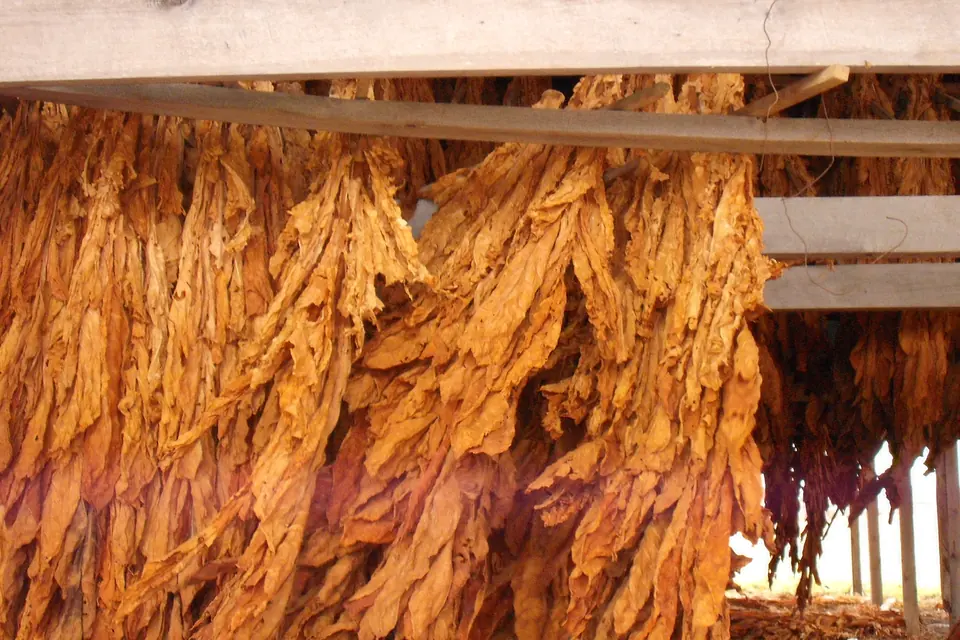
Cigarette tobacco is usually a blend of different leaf types, cut into shreds. Cigar tobacco goes through a longer process. First, the leaf is air-cured in barns. Then it is fermented in large piles, often for months, and aged before rolling.
Fermentation develops the rich flavours cigar smokers enjoy. However, it has a cost. The NCI notes that fermentation produces high concentrations of cancer-causing nitrosamines in cigar tobacco.
Smoke chemistry
Cigar smoke and cigarette smoke share the same basic toxic and cancer-causing chemicals. Still, a few things differ.
- More tar per gram. For every gram of tobacco smoked, cigars produce more cancer-causing tar than cigarettes, says the NCI.
- Less complete burning. The leaf wrapper is less porous than cigarette paper, so the tobacco burns less completely. This raises toxin levels.
- Carbon monoxide. The FDA says a large cigar can deliver more than five times the carbon monoxide of a filtered cigarette.
- Absorption in the mouth. Cigar smoke is generally more alkaline, so nicotine passes easily through the lining of the mouth. Cigarette smoke is usually more acidic, so its nicotine is mainly absorbed in the lungs.
Inhalation patterns
This is the biggest practical difference. Cigarette smokers almost always inhale. Most premium cigar smokers do not. Instead, they hold the smoke in the mouth and let it go.
That lowers lung exposure for cigar smokers who truly never inhale. Even so, the NCI points out that all cigar and cigarette smokers, whether or not they inhale, expose their lips, mouth, tongue, throat and larynx to smoke. Cigar smokers also absorb nicotine through the mouth.
There is an important exception. The NCI’s Monograph 9 found that former cigarette smokers who switch to cigars are much more likely to keep inhaling. As a result, they may remain at much higher risk. Our guide on whether you inhale cigars explains more.
Health risks compared
So, in the cigar vs cigarette debate, which is more harmful? The evidence points to different risk patterns, not a safe option.
| Risk | Cigar smokers | Cigarette smokers |
|---|---|---|
| Mouth and oesophageal cancer | Similar to cigarette smokers (regular cigar smokers) | High |
| Larynx and throat cancer | High; 4 to 10 times the death rate of people who don’t smoke cigars, for mouth, throat, larynx and oesophagus combined | High |
| Lung cancer | Lower than cigarette smokers, higher than non-smokers | Very high |
| Heart disease | Higher than non-smokers among daily users | High |
| Nicotine addiction | Yes | Yes |
| Second-hand smoke | Yes, often heavy | Yes |
Sources: NCI, American Cancer Society and FDA, as listed below.
The FDA sums it up: “cigars are not a safe alternative to cigarettes”, and cigar smoke “is at least as toxic as cigarette smoke, if not more.” Similarly, the NCI states that there is no safe level of tobacco use. Our guide to cigar health risks explains each danger in detail.
How Malaysian law treats cigars and cigarettes
Malaysia’s main tobacco law is the Control of Smoking Products for Public Health Act 2024, known as Act 852. It came into force on 1 October 2024.
The Act defines a “tobacco product” as processed tobacco or any product that contains tobacco designed for human consumption. Both cigars and cigarettes fall under that definition. Together with smoking substances and substitute tobacco products, they make up what the Act calls “smoking products”. Notably, the Act itself never uses the word “cigar”. Instead, the Control of Sale Regulations 2024 define a cigar as “a roll of tobacco wrapped in a tobacco leaf”.
In practice, the same core rules cover both:
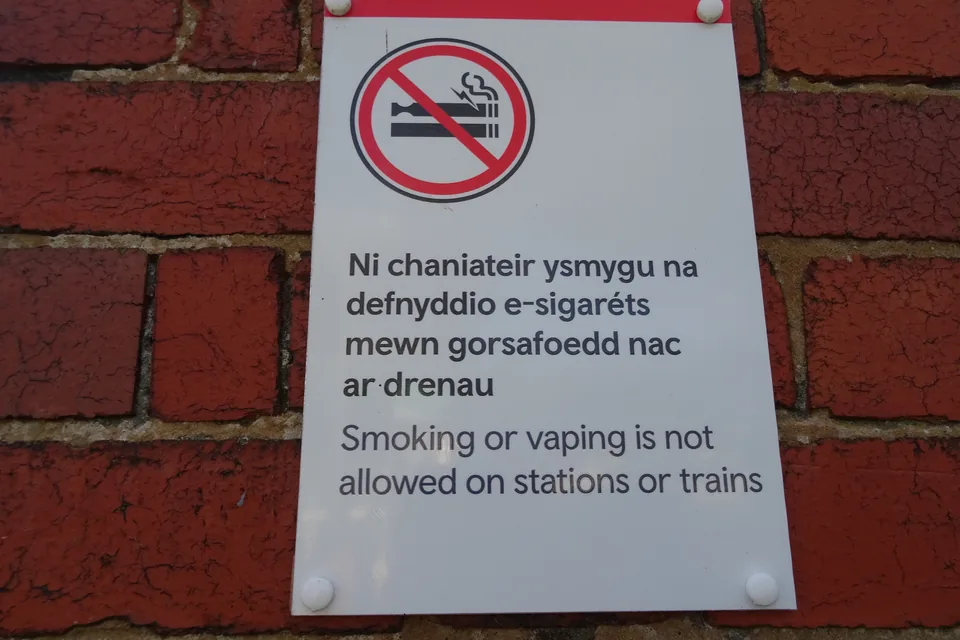
- Smoking bans in declared no-smoking areas, such as eating places and many public places.
- An age limit: no sale to anyone under 18.
- A ban on advertising, promotion and sponsorship.
- Online sale is banned under the Control of Sale Regulations.
- Prescribed packaging, including graphic health warnings and the address of the MOH’s quit-smoking site.
- A minimum retail price of RM12 per packet, applying to cigarettes, cigars and heated tobacco products alike.
For more on where you may and may not smoke, read our guide to cigar laws in Malaysia.
The bottom line
A cigar is bigger, slower and made entirely of fermented leaf. A cigarette is small, quick and usually inhaled. Those differences change where the harm falls, but both cause cancer, both are addictive, and both harm the people nearby. If you are thinking about quitting either one, the Ministry of Health’s JomQuit website is the place to start. Our health hub lists every guide on this topic.
Frequently asked questions
Are cigars worse than cigarettes?
They carry different patterns of risk, not less risk. Cigar smokers have lower lung cancer and heart disease rates than cigarette smokers, but similar risks for oral and oesophageal cancer. The FDA says cigar smoke is at least as toxic as cigarette smoke, if not more.
Are cigars better than cigarettes?
No. Neither is a safe choice. Both cause cancer, both deliver addictive nicotine, and both produce harmful second-hand smoke. The US National Cancer Institute states there is no safe level of tobacco use.
How much nicotine is in a cigar compared with a cigarette?
A cigarette contains on average about 8 mg of nicotine, according to NCI research. Cigars tested in the same research ranged from about 10 mg to over 400 mg. A single large cigar can provide as much nicotine as a pack of cigarettes.
Is a cigarillo a cigar or a cigarette?
A cigarillo is a small cigar, usually wrapped in tobacco leaf or reconstituted tobacco. Many are machine-made and flavoured, and some smokers inhale them like cigarettes. See our cigarillos guide.
Are cigars and cigarettes treated differently under Malaysian law?
Mostly not. Both are tobacco products under Act 852, so the same rules on registration, sale, advertising, packaging and no-smoking areas apply. Our cigar laws in Malaysia guide has the details.
Sources
- National Cancer Institute — Cigar Smoking and Cancer
- National Cancer Institute — Smoking and Tobacco Control Monograph 9: Cigars: Health Effects and Trends
- US FDA — Cigars, cigarillos and little filtered cigars
- American Cancer Society — Is any type of tobacco product safe?
- Control of Smoking Products for Public Health Act 2024 (Act 852)
- Control of Smoking Products for Public Health (Control of Sale) Regulations 2024, P.U.(A) 260