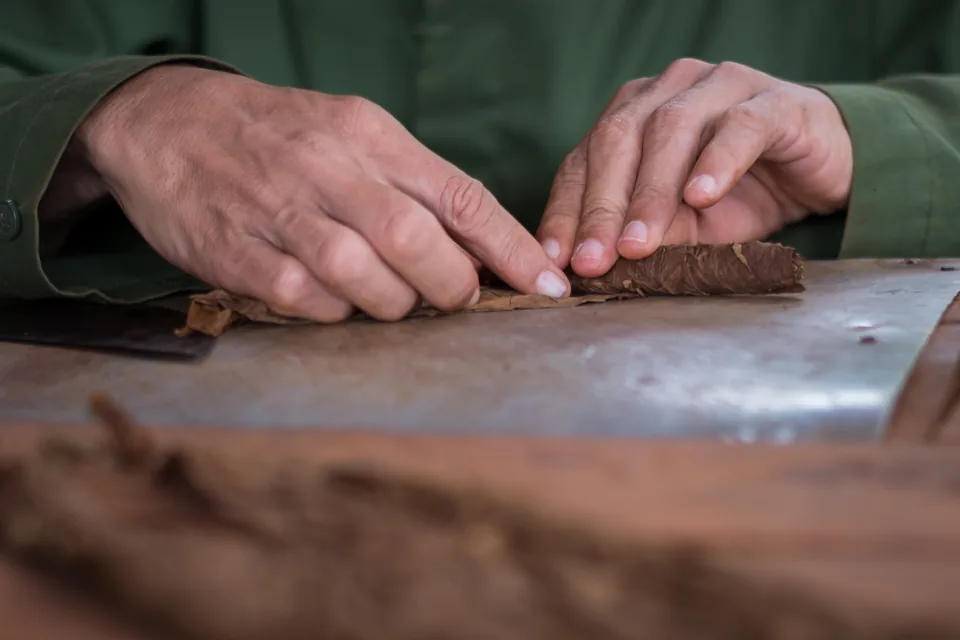
History
The History of Cigars
Who invented cigars, how they reached Europe, and how Havana, Tampa and the 1990s boom shaped what we smoke today.
Cigar Malaysia Guide is an independent editorial site about cigars for adults aged 18 and over. We do not sell tobacco.
No, take me to the Ministry of HealthSmoking causes cancer, heart disease and other serious illness.
History
Key dates in cigar history, from Maya tobacco to Habanos in Asia, with links to the full stories.
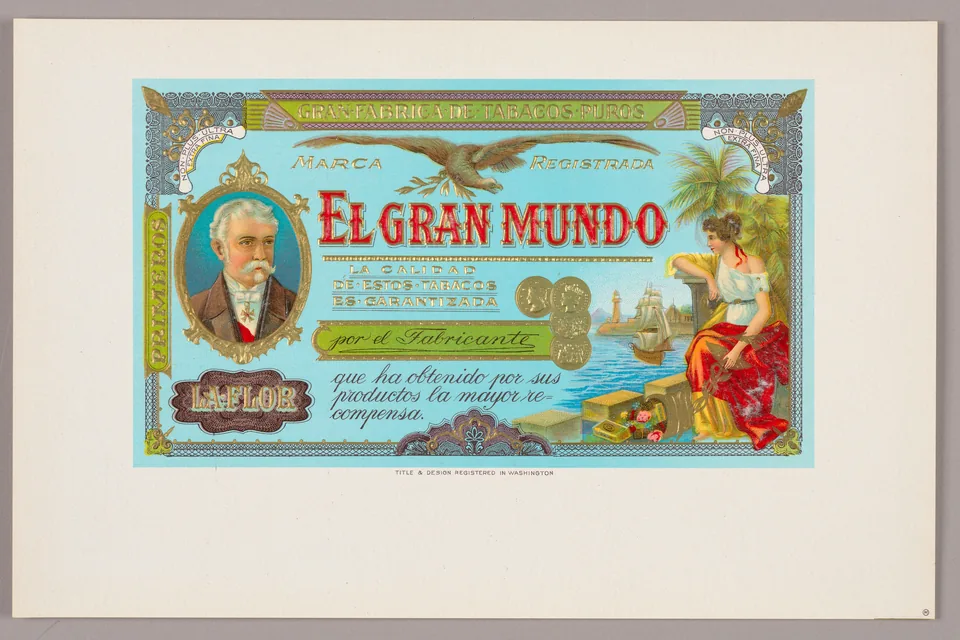
Photo: Unknown artist / Public Domain
This cigar history timeline covers more than a thousand years in one table. It starts with Maya smokers in Central America and ends with today’s Cuban cigars sold across Asia. Each row links to a longer story, so you can read as deep as you like. Where sources disagree on a date, we say so rather than guess.
| Date | Event | Read more |
|---|---|---|
| Before the 11th century | A Maya pottery vessel from Uaxactun, Guatemala, shows a man smoking a roll of tobacco leaves tied with string | History of cigars |
| November 1492 | Rodrigo de Jerez and Luis de Torres, of Columbus’s crew, see Taíno people in Cuba smoking rolled leaves | History of cigars |
| 1717 | Spain imposes a royal tobacco monopoly, the Estanco, on Cuba; farmers revolt between 1717 and 1723 | Cuban cigar history |
| 1728–1771 | Seville builds its vast Royal Tobacco Factory | History of cigars |
| 1782 | Spain sets up a tobacco monopoly in the Philippines | Cigars in Southeast Asia |
| 1808–1814 | Veterans of the Peninsular War carry the cigar habit home to Britain and France | History of cigars |
| 1817 | Spain agrees to end the Cuban tobacco monopoly | Cuban cigar history |
| 1844–1875 | H. Upmann (1844), Partagás (1845), Hoyo de Monterrey (1865) and Romeo y Julieta (1875) are founded | Cuban cigar history |
| 1865 | Readers (lectores) begin reading aloud in Havana’s El Fígaro factory | Cuban cigar history |
| 1869 | The Deli Company is founded to grow wrapper leaf in Sumatra | Cigars in Southeast Asia |
| 1881 | Tabacalera is founded in Barcelona to take over the Philippine monopoly | Cigars in Southeast Asia |
| 1884 | North Borneo (now Sabah) ships its first tobacco to London and Amsterdam | Cigars in Southeast Asia |
| 1886 | Vicente Martinez Ybor builds his factory in Ybor City, Tampa | History of cigars |
| 1935 | Montecristo is created in Havana | Cuban cigar history |
| 1960 | Cuba nationalises its tobacco industry | Cuban cigar history |
| 7 February 1962 | The US trade embargo on Cuba is signed; Cubatabaco is formed the same year | Cuban cigar history |
| 1966 | Cohiba is first used as a brand name for Fidel Castro’s private cigars | Cuban cigar history |
| 1992 | Cigar Aficionado launches and the 1990s cigar boom begins | History of cigars |
| 1994 | Habanos S.A. is formed to market Cuban cigars worldwide | Cuban cigar history |
| 2020 | Imperial Brands sells its 50% share of Habanos S.A. to Asian-backed investors | Cuban cigar history |
Dates in early history are often approximate. For example, the Maya left images and residues, not written records of their smoking habits. Even later, sources sometimes differ by a year or two. In those cases, we use the date most widely supported and note the doubt in the full article.
Also, many famous stories mix fact and legend. The tale of Rodrigo de Jerez being jailed for smoking is a good example. It is told everywhere, yet it rests on thin evidence. Our articles flag stories like these clearly.
A few moments shaped everything that followed. Here they are in brief.
Contact, 1492. Tobacco was already ancient in the Americas when Columbus’s sailors first saw it smoked. After that meeting, Spain carried the leaf across the Atlantic. Within two centuries, Seville had become the cigar workshop of Europe.
The Havana brands, 1840s onwards. Next, Cuba’s great factories turned cigars into named, banded products. Paper bands, cedar boxes and famous marks date from this era. So does the lector, the reader who entertained the rollers.
Revolution and embargo, 1959–1962. Then Cuba nationalised its factories, and the United States cut off trade. Many cigar families left the island. As a result, they rebuilt old brands in the Dominican Republic, Honduras and Nicaragua, which is why two versions of some names exist today.
Boom and globalisation, 1990s onwards. Finally, demand surged in the 1990s. Production spread, boutique makers appeared, and Asia became a major market. Today, Habanos are sold in Kuala Lumpur, Singapore and Hong Kong, while Malaysia even has its own regional edition.
Each article tells one thread of the story in more depth.
History explains a lot about what is on the shelf today. Brand names such as Partagás and H. Upmann go back to the 1840s. The split between Cuban and non-Cuban cigars dates from the 1960s. Meanwhile, the wide choice of Nicaraguan and Dominican cigars grew from that split and from the 1990s boom. Even the Malay word for cigar, cerut, carries a trace of old trade routes across the Indian Ocean.
For the present day, see our guide to cuban cigars and our look at cigar culture in Malaysia.
History
Who invented cigars, how they reached Europe, and how Havana, Tampa and the 1990s boom shaped what we smoke today.
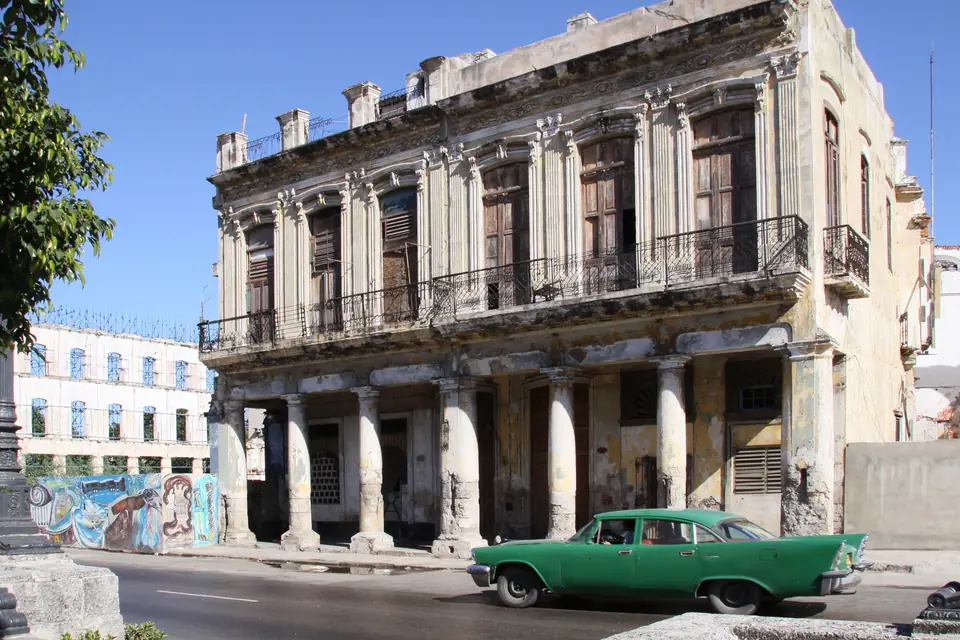
History
Monopoly, great brands, revolution, embargo and Habanos ownership, plus why Cuban cigars are legal in Malaysia.
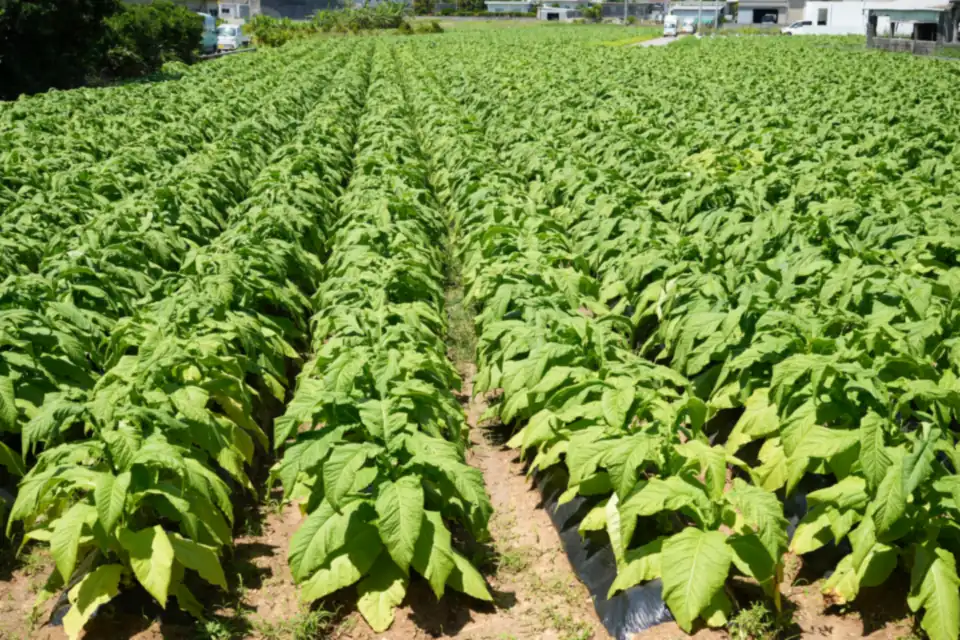
History
Manila cigars, Deli wrapper, North Borneo’s tobacco boom, cheroots and today’s Asian market.