Counterfeit cigars are a real problem for anyone who enjoys Habanos, and Cuban brands are by far the most copied. Fakes turn up in Havana’s streets, on social media and in the suitcases of well-meaning friends. The good news is that genuine boxes carry several security features, and most fakes fail more than one test. This guide walks you through each check, in the order you would make it.
Why counterfeit cigars are so common
Cuban cigars are famous, costly and hard to judge until you light one. That mix makes them the main target for counterfeit cigars. A fake box costs very little to produce, while a real box of Cohiba costs a great deal. So the profit for a forger is high.
Cohiba is the most counterfeited name, followed by other global brands such as Montecristo, Partagás and Romeo y Julieta. Rare releases, such as Cohiba Behike or Edición Limitada boxes, attract forgers too, because buyers expect to pay a lot for them.
Habanos S.A. treats the problem seriously. In February 2025, it restated its anti-counterfeit measures and urged smokers to stick to authorised distributors. Our main guide to Cuban cigars explains how that network works.
Check 1: the warranty seal
Start with the green-and-white Cuban warranty seal. It runs across the front left edge of the box, where the lid meets the base. In March 2009, Habanos introduced its current design, with two key additions.
- A hologram on the right-hand side. It shows text that seems to change depth and colour as you tilt it.
- A unique barcode on the left, next to the coat of arms. Each box has its own number, linked to a database.
The seal also uses a synthetic paper that destroys itself if anyone tries to peel it off. It carries micro-dots too, though you need a laser scanner to see those. Look for crisp, fine printing, not a fuzzy or flat copy. A seal that someone has cut, lifted or glued back down is a bad sign.
Use the Habanos authenticity check
Next, type the barcode number into the Habanos Authenticity Check. The tool confirms whether that code exists in the Habanos database. Habanos has also added NFC chips to some exclusive releases, which you can scan with a phone.
That said, forgers sometimes copy a real code onto many fake boxes. So a “valid” result proves only that the number is real. It does not prove that this box is the one the number belongs to.
Check 2: the box and its stamps
Turn the box over. A genuine Cuban box usually carries these markings on the underside:
| Marking | What genuine looks like | Warning signs |
|---|---|---|
| “Hecho en Cuba” | Hot-stamped (burned) into the wood, used since 1989 | Printed, painted or stuck on as a label |
| “Totalmente a mano” | Stamped clearly for long-filler cigars | Missing, misspelled, or the wrong style for the line |
| Factory code | A short letter code in ink | Missing or smudged |
| Date stamp | Three Spanish letters for the month and two digits for the year, e.g. “ABR 23” | English months, impossible dates, or a date before the cigar existed |
The box code date matters more than people think. If a cigar was first released in 2023, a box stamped 2019 cannot be real. Our guide to Cuban cigars explains the stamps in more detail.
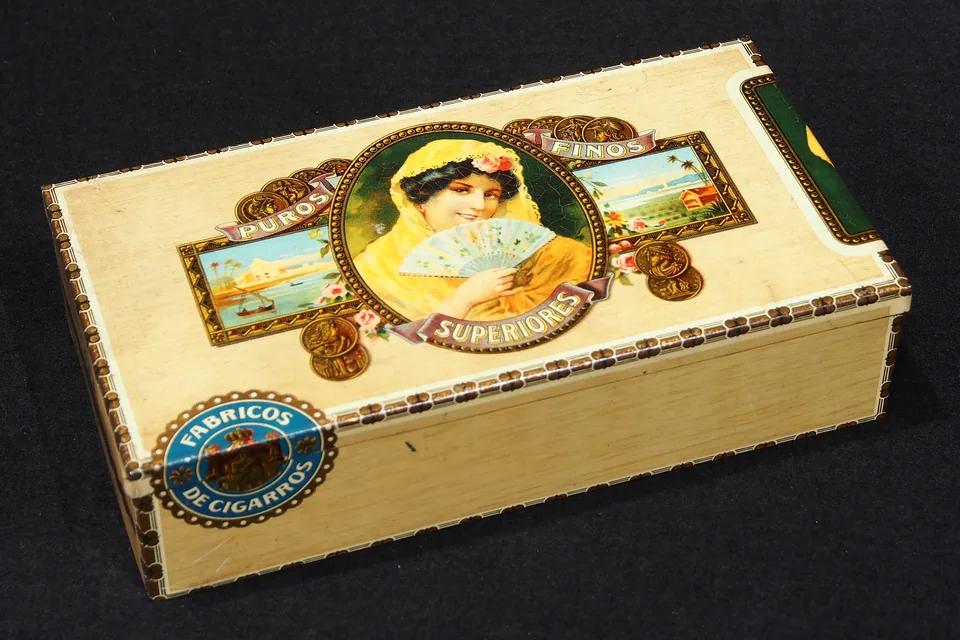
Then look at the box itself. Genuine boxes are well made from cedar or similar wood, with clean joints, sharp printing and neat labels. Rough edges, thick glue, crooked labels and blurry logos all suggest a fake. Glass-topped boxes deserve extra care, since many classic Cuban lines never came in them.
Check 3: the bands
Habanos prints its bands to a high standard. The colours should be rich, the gold sharp and the text crisp. Embossed areas should feel raised under your fingertip.
Cohiba adds extra security. The Behike, launched in 2010, was the first Cuban cigar with holographic security on its band. Since then, holograms have spread to other Cohiba lines, as Cigar Aficionado reported. So a recent Cohiba with a flat, dull band should make you suspicious. Also check that every band sits at the same height on each cigar.
Check 4: the cigars themselves
Finally, open the box. Factories sort real Habanos by colour, so the wrappers in one box should look very similar. Each cigar should have the same length, girth and shape. A box with mixed shades or uneven sizes is a warning sign.
Look closely at a single cigar too:
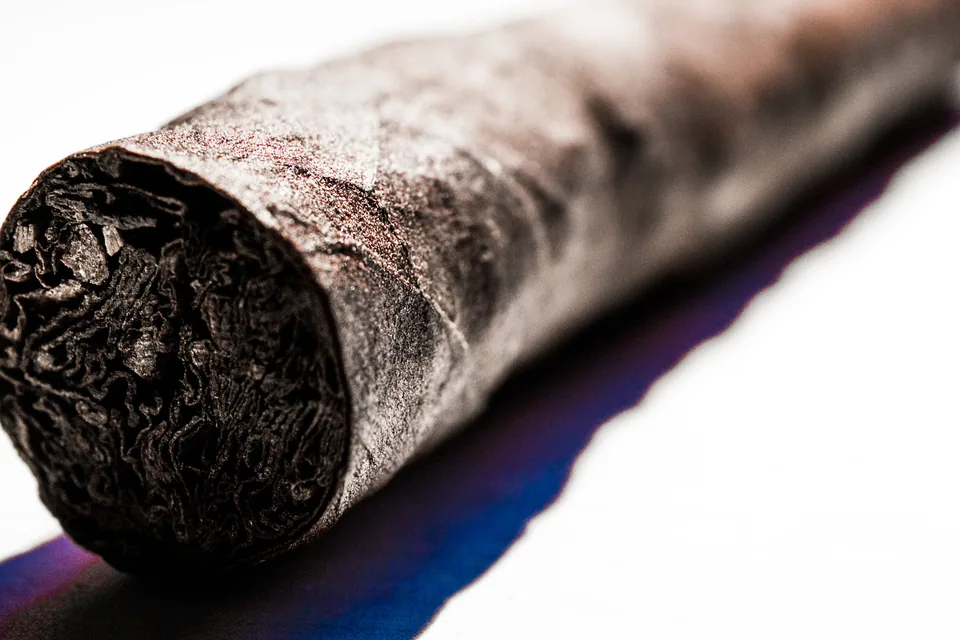
- The cap. Cuban cigars usually have a neat, rounded triple cap. A messy or glued-on cap is suspicious.
- The foot. You should see whole leaves folded together, which is long filler. Chopped scraps suggest short filler, which Cuban long-filler lines never use.
- The wrapper. It should be smooth and even, with fine veins. Blotches, tears or a green tinge are bad signs.
- The feel. Squeeze gently along the length. A good cigar feels firm and even, with no hard knots or soft gaps.
Even so, construction alone cannot prove a cigar is real. Some counterfeit cigars are well rolled, and some genuine Cubans have flaws.
Check 5: price and seller
Price is often the clearest signal of all. Genuine Cuban cigars carry import duty and excise in Malaysia, and the Ministry of Health must approve retail prices under Act 852. Because of this, they are never cheap here. A box offered at a fraction of the usual price is almost certainly counterfeit. Our cigar price guide explains why prices sit where they do.
The seller matters just as much. Under Malaysia’s Control of Sale Regulations, tobacco products may not be sold online at all. Any website, marketplace or social-media account offering cigars to Malaysians is therefore operating outside the law. You have no legal protection and no way to check how the cigars were stored.
Common sources of fakes
Street sellers in Havana, “factory workers” with cheap boxes, social-media offers, and friends bringing boxes back from holiday are the most common routes for counterfeit cigars. Each one skips the official chain of custody.
The official channel in Malaysia
Habanos sells through one exclusive distributor per market. In Malaysia, that is The Pacific Cigar Company, which covers much of Asia-Pacific. It publishes a list of the venues it supplies. They include two Habanos-licensed concepts in Kuala Lumpur, La Casa del Habano and Cohiba Atmosphere.
We mention this so you can check where a box came from, not to point you to any shop. Our Kuala Lumpur guide describes the city’s lounges neutrally. Legitimate boxes sold in Malaysia also have to meet local packaging rules, including an approved price label and Malaysian health warnings.
Bringing cigars home from Cuba
Many fakes reach Malaysia in luggage. If you visit Cuba, official Habanos shops are much safer than street sellers. When you land, however, remember that Malaysia gives no duty-free allowance for tobacco. You must declare cigars at the Red Lane, as the Customs traveller’s guide explains. Our guide to bringing cigars into Malaysia covers the details.
What to do if you suspect counterfeit cigars
If a box fails several of these checks, take these steps.
- Stop and do not smoke it. You cannot know what is inside or how it was stored.
- Photograph everything. Record the seal, barcode, stamps, bands and receipt.
- Run the code. Enter the barcode on the Habanos authenticity page and note the result.
- Ask the official distributor. Habanos names its exclusive distributors as the trusted source in each market, so they are the right people to ask.
- Report the seller. Counterfeit goods fall under Malaysia’s trade descriptions law, enforced by the Ministry of Domestic Trade and Cost of Living (KPDN). Illegal online tobacco sales fall under the Ministry of Health’s Act 852 rules.
The bottom line
No single check proves a box is genuine. Instead, look at the whole picture: seal, code, stamps, bands, cigars, price and seller. If several things feel wrong, trust that feeling. And remember that genuine or fake, every cigar carries real health risks. For the background on brands most often faked, see our Cohiba guide.
Frequently asked questions
How can you tell if Cuban cigars are fake?
Check the green-and-white warranty seal for a hologram and barcode, look for a clear date stamp and ‘Hecho en Cuba’ on the box, and inspect the cigars for even colour, neat caps and long filler. Then enter the barcode on the Habanos authenticity page. If several signs look wrong, assume the box is counterfeit.
Does Habanos have an online code check?
Yes. The Habanos website has an Authenticity Check page where you can enter the code from the warranty seal. Bear in mind that counterfeiters sometimes copy real codes, so use it alongside the other checks.
Are cigars sold on the street in Havana real?
Very rarely. Street sellers in Havana commonly offer fakes, sometimes with a story about a cousin in the factory. Official Habanos shops in Cuba are the safer source, and you still need to declare any cigars when you land in Malaysia.
Are counterfeit cigars dangerous?
All cigars carry health risks. Fakes add uncertainty, because nobody knows what went into them or how they were stored. Some contain poor-quality or mouldy tobacco. See our page on cigar health risks.
Is it illegal to buy cigars online in Malaysia?
The Control of Sale Regulations made under Act 852 ban selling tobacco products online. That means any website or social-media seller offering cigars to Malaysians is operating outside the law. See our guide to cigar laws in Malaysia.
Sources
- Habanos S.A. — Authenticity Check
- Habanos S.A. — New warranty seal information note (March 2009)
- Habanos S.A. — Habanos kicks off the year focused on combating counterfeiting (February 2025)
- Cigar Aficionado — New security seals for Cuban cigars (2009)
- Cigar Aficionado — Cohiba Behike bands get new security holograms
- Control of Smoking Products for Public Health (Control of Sale) Regulations 2024, P.U.(A) 260
- Royal Malaysian Customs Department — Traveller's guide
- Pacific Cigar Company — Our locations