Arturo Fuente cigars carry more than a century of family history. The story begins in Florida in 1912 and runs through Nicaragua and Honduras before settling in the Dominican Republic. Along the way, the Fuentes created OpusX, one of the most sought-after cigars outside Cuba. This profile covers the family, the factory, the main lines and the house style.
From West Tampa to Santiago
Arturo Fuente left Cuba in 1902 and founded his cigar business in West Tampa, Florida, in 1912. Then, in 1924, a fire destroyed the factory. Production stopped for 22 years, until the family restarted on a small scale at home in 1946.
In 1958 Arturo’s younger son, Carlos Fuente Sr., took over the business. Soon after, the 1960 US embargo cut off Cuban tobacco, so the family had to find new leaf and new places to roll. They moved to Nicaragua in the 1970s, but their Estelí factory burned during the 1979 revolution. A move to Honduras followed, yet another fire ended that too.
Finally, in 1980, the family opened a factory in Santiago, in the Dominican Republic. That move stuck. Our guide to Dominican cigars explains why Santiago became the country’s cigar capital.
The family today
Carlos Fuente Sr. and his son, Carlos Fuente Jr., grew the business into one of the largest premium makers in the world. By around 2010 they were producing more than 30 million cigars a year. Carlos Sr. died in 2016, aged 81, and Carlos Jr. now leads the company.
The Fuentes also work closely with other firms. For example, they have rolled the Ashton range since 1985. They also have a long partnership with the J.C. Newman Cigar Company in Tampa.
Château de la Fuente and OpusX
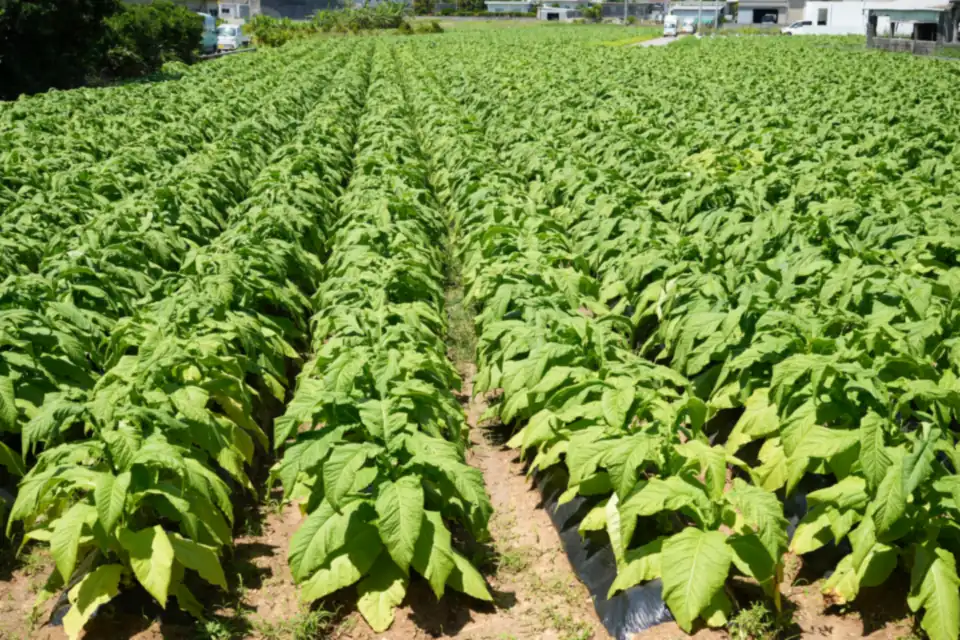
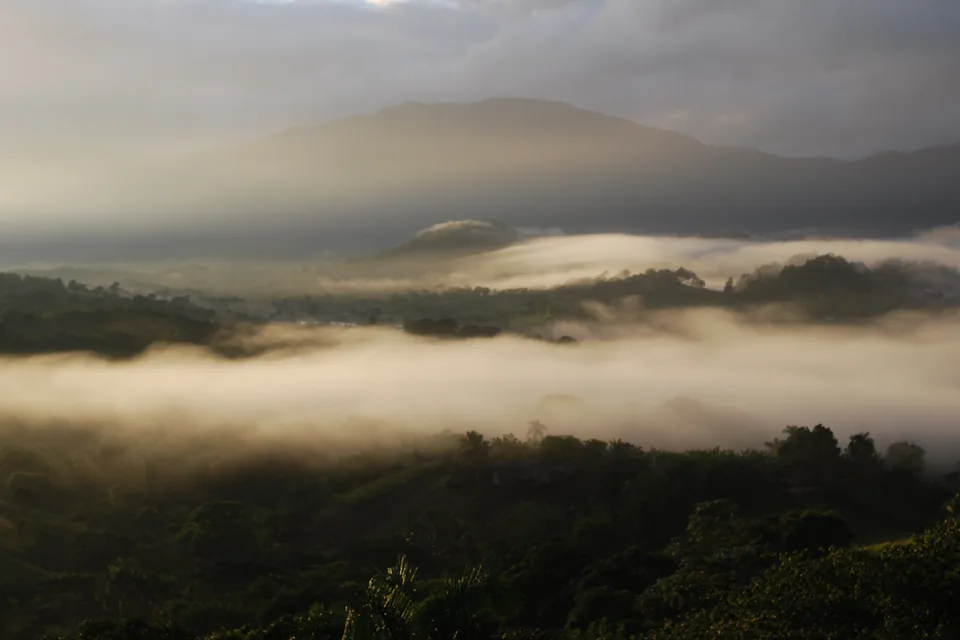
For decades, experts said the Dominican Republic could not grow good wrapper leaf. The Fuentes disagreed. In 1991 they planted Cuban-seed tobacco on their farm near Bonao, now known as Château de la Fuente. The result was a reddish, oily wrapper with plenty of aroma.
That leaf became the heart of Fuente Fuente OpusX, released in 1995. Because every leaf was Dominican, it counted as a true Dominican puro. It was rare and hard to find, and demand quickly outran supply. Cigar Aficionado later named an OpusX its Cigar of the Year in 2005.
Main lines of Arturo Fuente cigars
The catalogue is large, so here are the lines most smokers know.
| Line | Wrapper | Strength |
|---|---|---|
| Gran Reserva | Connecticut shade, sun-grown or maduro versions | Mild to medium |
| Hemingway | Cameroon | Medium |
| Don Carlos | Cameroon | Medium to full |
| Añejo | Connecticut broadleaf maduro | Medium to full |
| Fuente Fuente OpusX | Dominican (Château de la Fuente) | Full |
The Hemingway series is famous for its perfecto shapes, which taper at both ends. Our Hemingway Short Story review looks at the smallest of them. Meanwhile, Don Carlos honours Carlos Sr. and is a favourite among long-time Fuente smokers.
House style
In general terms, Fuente cigars lean balanced and woody, with cedar, nuts and a gentle spice. The Cameroon-wrapped lines add a sweet, slightly toasty note. OpusX sits apart, because it is much richer, spicier and stronger.
Construction is a big part of the reputation. Many lines use traditional shapes and thin wrapper leaves. As a result, they reward careful cutting and slow smoking.
Strengths and criticisms
On the plus side, Arturo Fuente cigars are known for steady quality across a huge range. Their prices also span from everyday cigars to rare collector items. In addition, the family’s charity work in the Dominican Republic, through the Cigar Family Charitable Foundation, has earned wide respect.
However, there are common complaints. OpusX and other rare lines are scarce, and that scarcity feeds a grey market and fakes. Some smokers also find the everyday lines a little plain next to bolder Nicaraguan cigars. Finally, the sheer number of sizes and editions can confuse newcomers.
Arturo Fuente in Malaysia
In Malaysia, Fuente is a respected name among smokers who explore beyond Cuban brands. Still, local search interest is low next to Cuban houses, and non-Cuban stock tends to be limited. Rare lines are also a target for counterfeiters, so treat any too-good offer with caution.
If you travel with cigars, read our guide to bringing cigars into Malaysia. Also remember that no cigar is a safe choice; our page on cigar health risks explains why.
Where to read more
- Dominican cigars: Santiago, the Cibao valley and Dominican leaf
- Ashton: the brand the Fuentes have rolled since 1985
- Cigar brands: every profile in our directory
Frequently asked questions
Where are Arturo Fuente cigars made?
In Santiago de los Caballeros, in the Dominican Republic. The family moved production there in 1980 and grows some of its own tobacco at Château de la Fuente, a farm near Bonao.
What is OpusX?
Fuente Fuente OpusX is the family’s prestige line, launched in 1995. All its tobacco, including the wrapper, is Dominican, which was rare at the time. It is known for a rich, spicy, full profile.
Who owns Arturo Fuente?
The Fuente family still owns and runs the company. Carlos Fuente Jr. leads it today, with other family members in key roles.
Are Arturo Fuente cigars good for beginners?
Some are. The Hemingway and Gran Reserva lines are medium or milder and well made. OpusX, by contrast, is full and better left for later. Our beginner’s guide has more help.