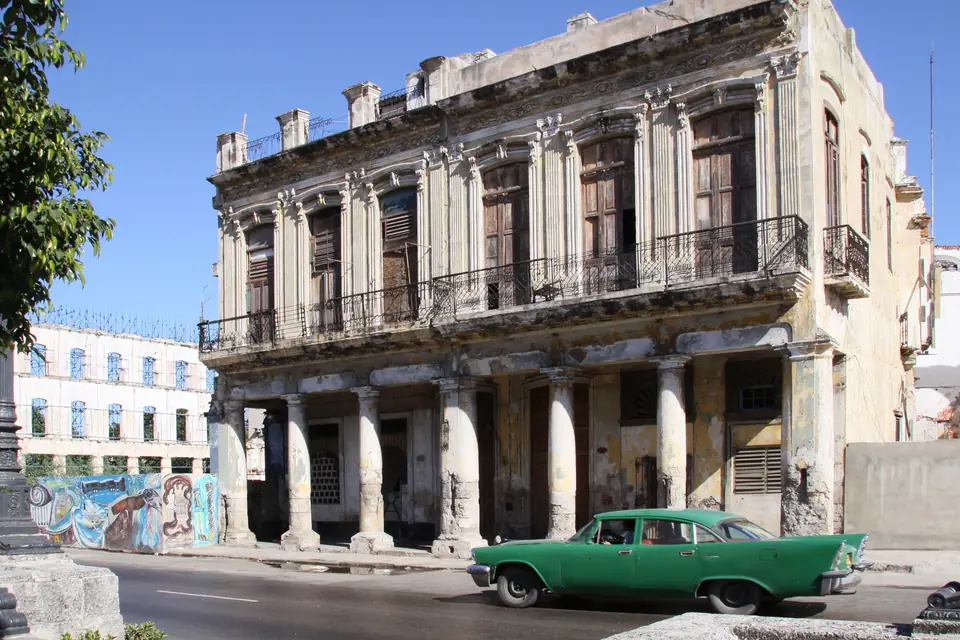
Cuban cigar history is a story of land, empire and politics. A strip of red soil in western Cuba grows some of the most prized tobacco on earth. For three centuries, Spain, private families, a revolutionary state and foreign investors have fought to control it. This article follows that story from the royal monopoly of 1717 to the ownership puzzles of today.
The land: Vuelta Abajo
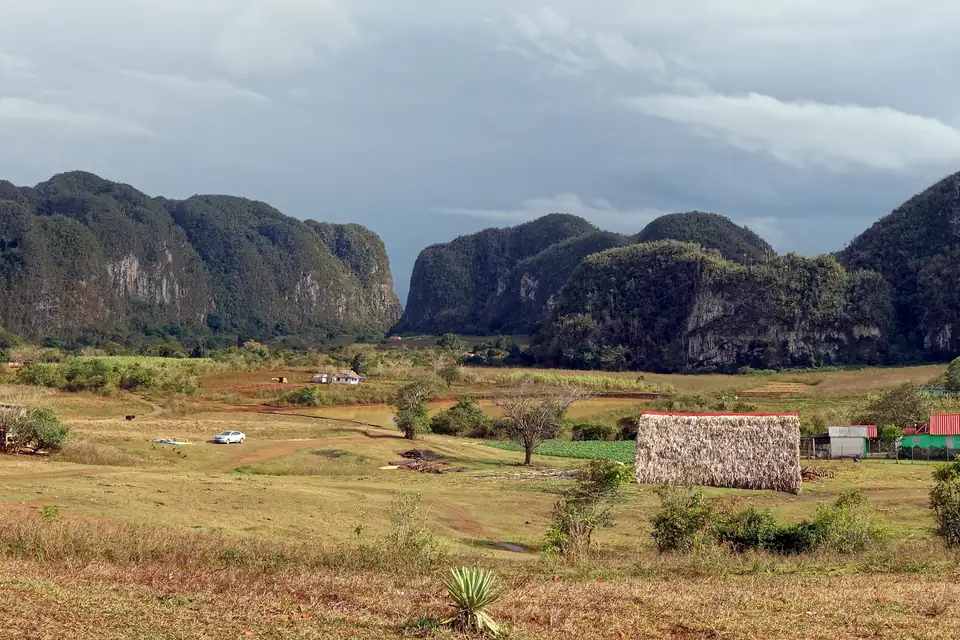
Tobacco grows across Cuba, but one district stands out. The Vuelta Abajo, in Pinar del Río province, has sandy, well-drained soil and a mild growing season. Leaf from its farms, or vegas, forms the core of most premium Cuban blends.
Farming there is still largely done by hand. Growers called vegueros raise the plants, while sun-grown and shade-grown leaf serve different roles in the cigar. Our guide to cuban cigars explains how the regions and leaves differ.
The Spanish monopoly: the Estanco
As European demand grew, Spain wanted the profits. In 1717, King Philip V imposed a royal tobacco monopoly on Cuba, known as the Estanco. A royal order dated 1716 set it up, and it took effect the following year. Under the system, farmers had to sell their whole crop to the state at fixed prices. Spain then resold the leaf at a large markup.
It was the first great conflict in Cuban cigar history, and the farmers did not accept it quietly. Between 1717 and 1723, vegueros around Havana rose in revolt several times. According to research from Universidad Pablo de Olavide, the protests ended in harsh repression. In February 1723, eleven farmers were executed near Havana.
The Estanco lasted about a century. In 1817, King Ferdinand VII agreed to end it, and free trade in tobacco followed in 1818, as EcuRed records. That freedom opened the door to Cuba’s golden age.
The golden age of Havana brands
With the monopoly gone, private factories multiplied in Havana. Many of the names on today’s boxes date from this period.
| Brand | Founded | What it is known for |
|---|---|---|
| H. Upmann | 1844 | Founded by a German banker, Herman Upmann |
| Partagás | 1845 | Jaime Partagás’s factory in central Havana |
| Hoyo de Monterrey | 1865 | Named after a famous Vuelta Abajo plantation |
| Romeo y Julieta | 1875 | Shakespeare-inspired name, later famous for its Churchills |
| Montecristo | 1935 | A 20th-century brand that became Cuba’s best seller |
These dates follow Cigar Aficionado and the brands’ own histories. Some sources differ by a year, since registration and first sales did not always match.
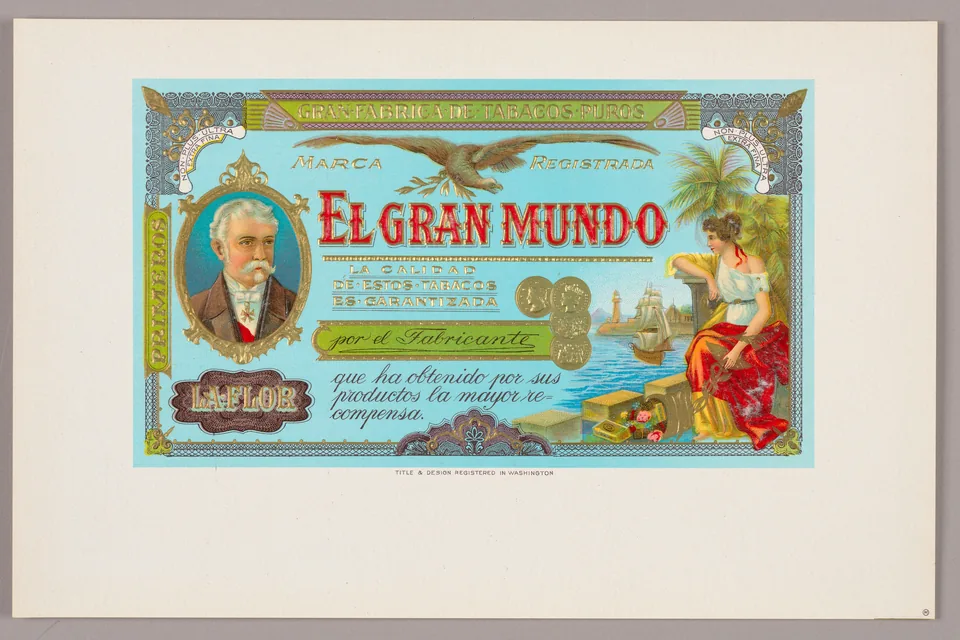
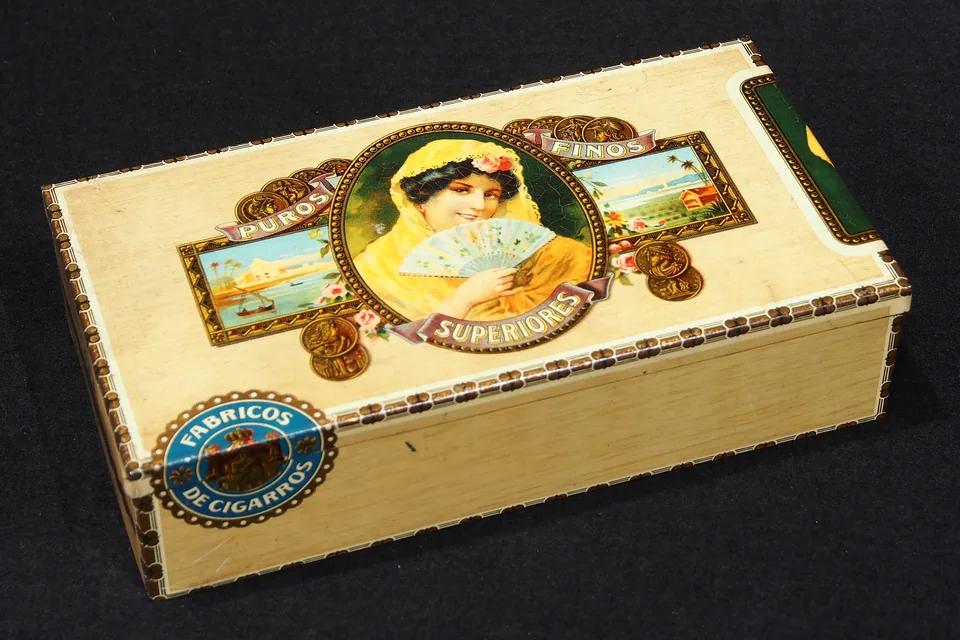
During this era, Havana makers also added paper bands and decorated cedar boxes. Both helped buyers in Europe tell real Havanas from fakes. Fakes remain a problem today, as our guide to counterfeit cigars explains.
The lector: reading in the factory
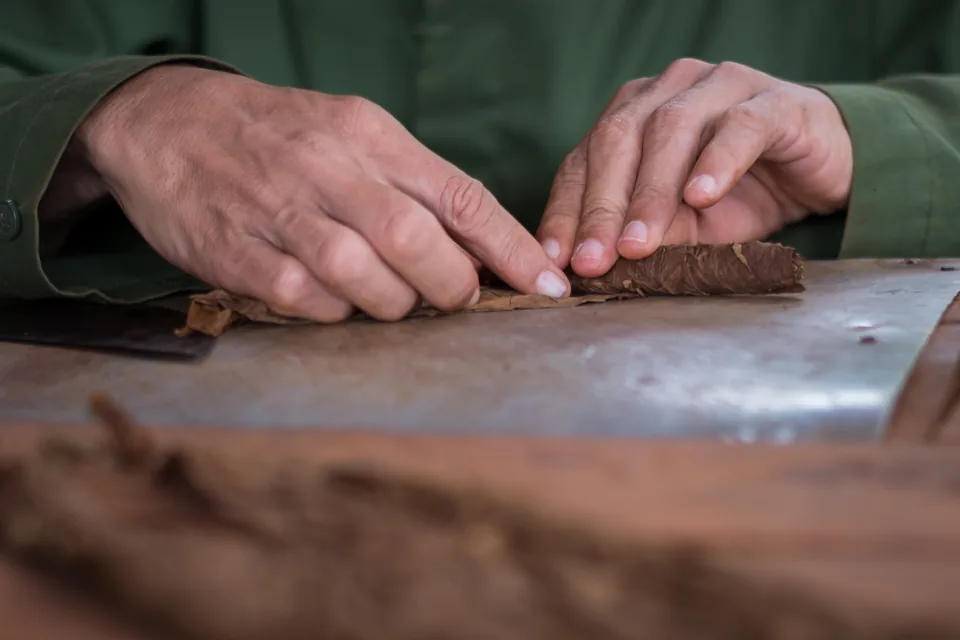
In 1865, workers at Havana’s El Fígaro factory began a custom that became famous. They paid a reader, the lector, to read aloud while they rolled. Readings included newspapers, novels and political pamphlets. As a result, the rollers’ bench became a place of debate.
The tradition, described in this overview, spread to Cuban-run factories in Key West and Tampa. It also explains some famous names. Romeo y Julieta and Montecristo are often said to come from works that lectors read aloud. In Cuba, lectors still read in factories today.
Revolution and nationalisation
On 1 January 1959, Fidel Castro’s revolution took power. Within two years, private business on the island had been taken over by the state. The tobacco industry was nationalised in 1960, and factories, farms and brands all passed to the government.
Many owners left, and this exodus is a turning point in Cuban cigar history. The Menéndez and García families of Montecristo, the Palicio family of Hoyo de Monterrey and others went into exile. Some rebuilt their brands abroad, especially in the Dominican Republic and Honduras. This is why “Cuban” and “non-Cuban” versions of the same name exist today.
In 1962, the state formed Cubatabaco to run the whole industry, from farming to exports. It cut the number of brands sharply and kept only a few dozen.
The US embargo, 1962
The United States responded to the revolution with sanctions. On 7 February 1962, President John F. Kennedy signed a full trade embargo on Cuba. Cuban cigars became illegal to import into the US.
A well-known story comes from Kennedy’s press secretary, Pierre Salinger. He later recalled that the president asked him the night before to gather about a thousand Petit Upmanns. Salinger found 1,200. Only then did Kennedy sign the decree.
No event in Cuban cigar history has had a longer reach. The embargo still stands, enforced through US Treasury sanctions rules. That is the simple answer to the question “why are Cuban cigars illegal?” The reason is foreign policy, not the cigars themselves. Rules for American travellers have shifted several times over the years.
Cohiba: Castro’s private cigar
Cohiba began as a secret. In the early 1960s, one of Fidel Castro’s bodyguards shared cigars made by a local roller, Eduardo Ribera. Castro liked them so much that the state set up special production. Those cigars were rolled at the El Laguito factory, which opened in the early 1960s.
The Cohiba name was first used in 1966. For years, Cohibas went only to Castro, senior officials and foreign leaders as diplomatic gifts. Avelino Lara later ran the factory and shaped the brand, according to Cigar Aficionado. Cohiba first went on public sale in 1982. Our Cohiba brand page continues the story.
Habanos S.A. and changing owners
In 1994, Cuba created Habanos S.A. to market and export its premium cigars worldwide. Cubatabaco and the farms stayed in state hands, while Habanos handled brands, distribution and promotion.
Foreign capital followed. In 2000, the Franco-Spanish company Altadis bought 50 per cent of Habanos S.A. Imperial Tobacco, later Imperial Brands, took over Altadis in 2008 and with it the stake. Then, in 2020, Imperial sold its premium cigar business. A Hong Kong-registered company, Allied Cigar Corporation, acquired the international side, including the half share of Habanos, as Cigar Aficionado reported. The buyers were widely described as Asian investors.
Ownership today
The non-Cuban half has since become controversial. That holding company later moved to Madrid and changed names. In October 2025, US prosecutors indicted Chen Zhi, chairman of Cambodia’s Prince Group, and the US and UK imposed sanctions on his network. According to halfwheel, Chen held about 28.55 per cent of Habanos S.A. indirectly. The US Treasury added further Prince Group sanctions in June 2026.
The effect on the trade has been real. As halfwheel reported, banking problems disrupted parts of the business, and some European distributors paused deliveries. The Cuban state still holds the other half. Ownership may change again, so treat any summary, including this one, as a snapshot.
Why Cuban cigars are legal in Malaysia
Malaysia has never had an embargo on Cuba. Cuban cigars enter the country through official channels, and Habanos-licensed lounges have operated in Kuala Lumpur since 1998, as Habanos S.A. noted at the 20th anniversary. In 2021, Habanos even released a Malaysian regional edition, the San Cristóbal de La Habana Harimau Malaya.
Legal does not mean unregulated, though. Import duty, excise and the advertising and sales rules of Act 852 all apply. Our guide to cigar laws in Malaysia sets out the details, and cigar health risks covers the health facts.
Cuban cigar history in one view
From the Estanco to the embargo, control of Cuban tobacco has always been political. The leaf, the craft and the great names have survived every change. For the wider story, read our history of cigars, or see the full cigar history timeline.
Frequently asked questions
Why are Cuban cigars illegal in the US?
Because of the US trade embargo on Cuba, signed by President Kennedy on 7 February 1962 and enforced through Treasury sanctions rules. The ban is about politics, not about the cigars. Rules for US travellers have changed several times, so Americans should check the US Treasury’s OFAC guidance.
Are Cuban cigars legal in Malaysia?
Yes. Malaysia has no embargo on Cuba. Cuban cigars are imported through Habanos S.A.’s official distributor for the region and sold subject to import duty, excise and the Act 852 rules on sale and advertising.
When was Cohiba created?
Cohiba grew out of private cigars rolled for Fidel Castro in the early 1960s. The El Laguito factory produced them, and the Cohiba name was first used in 1966. The brand went on public sale in 1982.
Who owns Habanos S.A. today?
Half belongs to the Cuban state. The other half is held through a Madrid-based company that bought Imperial Brands’ stake in 2020. US sanctions in 2025 and 2026 against the Prince Group and its chairman Chen Zhi, reported to hold a large indirect stake, have disrupted that side of the business.
What is the Vuelta Abajo?
It is the tobacco district in Pinar del Río province, in western Cuba. Its soil and climate produce the leaf behind most of Cuba’s premium cigars, and it is often called the finest tobacco land in the world.
Sources
- Universidad Pablo de Olavide — Las revueltas de los vegueros en La Habana (1717–1723)
- EcuRed — Estanco del tabaco
- Cigar Aficionado — What's in a brand name
- Wikipedia — Lector (cigar manufacture)
- Wikipedia — Cubatabaco
- Cigar Aficionado — The man who created Cohiba
- Wikipedia — Habanos S.A.
- Cigar Aficionado — World's biggest cigar company changes owners
- halfwheel — It's time to talk about the other Habanos S.A. shareholder
- halfwheel — American sanctions have torn apart the world's largest premium cigar business
- Habanos S.A. — La Casa del Habano in Malaysia celebrates its 20th anniversary