Knowing how to store cigars matters more in Malaysia than almost anywhere else. Most storage advice comes from cool, dry places, so it assumes your problem is a lack of moisture. Here, you face two problems at once. Outdoor air is hot and damp, often 70–90% humidity, while an air-conditioned room can quickly drop to 45–60%. This guide explains what cigars actually need and how to give it to them in a tropical home.
What cigars need: humidity, temperature and stability
A premium cigar is a bundle of fermented, aged tobacco leaves. Like wood or bread, it trades moisture with the air around it. If the air is dry, the cigar loses moisture. If the air is damp, it soaks moisture up. As a result, the cigar always drifts towards the conditions around it.
Three things decide how a cigar smokes after storage:
- Relative humidity (RH). This sets how much moisture the leaf holds. Too little and the cigar burns hot, harsh and fast. Too much and it burns poorly, tastes muddy and may grow mould.
- Temperature. Heat speeds up everything, from flavour changes to mould growth. Above all, warmth is what wakes up tobacco beetles.
- Stability. Cigars cope with slightly imperfect numbers far better than with constant swings. A steady 66% beats a box that bounces between 55% and 80%.
Most storage problems in Malaysia come from heat and from swings, not from the exact humidity number. Keep that in mind as you read on.
The 70/70 rule, and why Malaysia breaks it
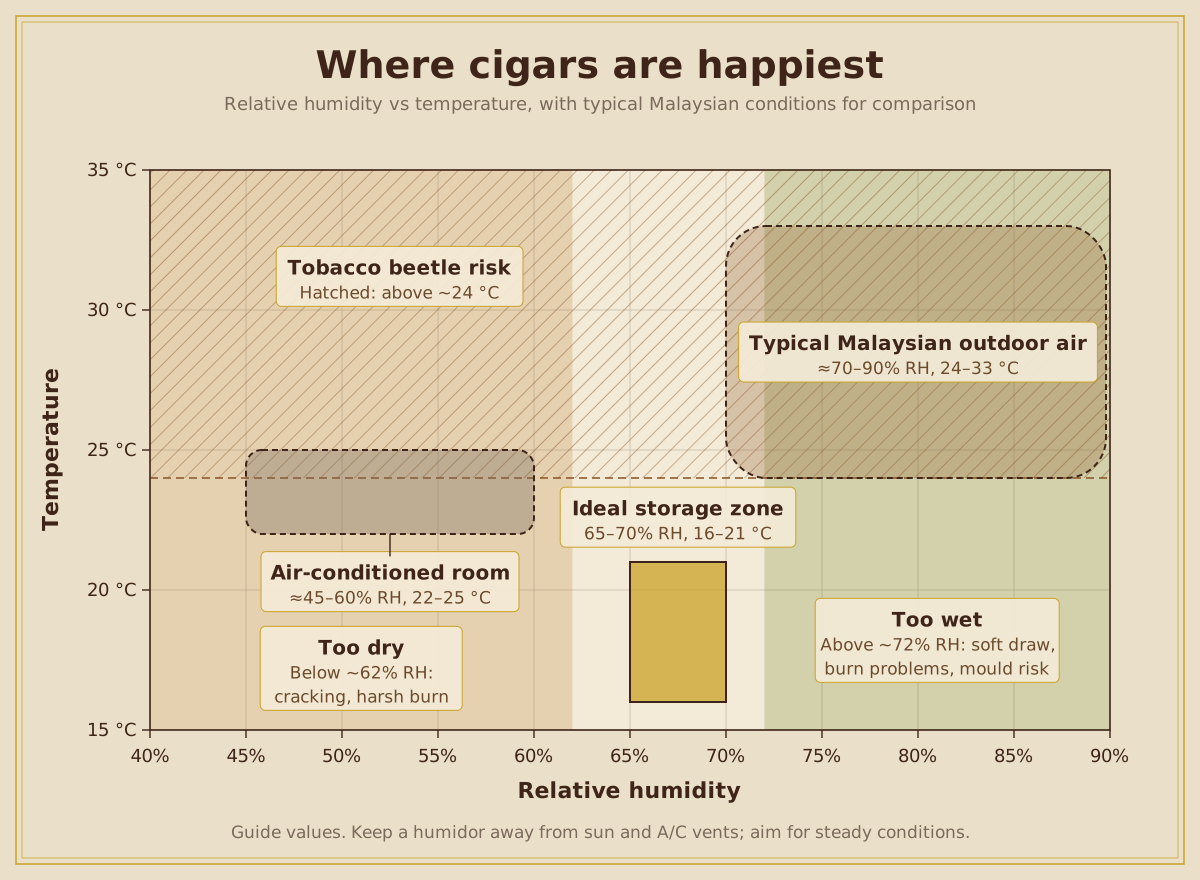
The traditional rule of thumb is “70/70”: 70% relative humidity at 70 °F, which is about 21 °C. It is easy to remember and it works well in a temperate climate. In fact, many cigar books and shops still quote it.
The trouble is the second number. In a temperate country, 21 °C is simply room temperature. In Malaysia, it is not. Daytime temperatures in most homes without aircon sit around 28–32 °C, and MetMalaysia notes that even nights usually stay around 21–24 °C. So the “70” for temperature is something you must create, not something you get for free.
That changes the advice. Because heat raises the risk of beetles and mould, many smokers in the tropics deliberately run their storage a little drier and cooler:
| Approach | Typical setting | Why people choose it | Trade-off |
|---|---|---|---|
| Classic 70/70 | 70% RH, 21 °C | Traditional, well known | Little safety margin if the room warms up |
| Tropical “safe” | 62–65% RH, 18–21 °C | Lower mould risk, sharper burn, beetles stay dormant | Some cigars taste a little thinner; wrappers can feel firm |
| Middle ground | 65–69% RH, ≤22 °C | Balanced flavour and safety | Needs reliable cooling |
| Humid | 70–72% RH | Some prefer it for certain Cubans | Higher mould and burn-problem risk in a warm room |
There is no single correct number. That said, the tropical consensus is clear: keep the temperature down first, then choose a humidity you enjoy within roughly 62–69%. Our guide to the best humidity for cigars explains each setting in more detail.
Temperature and tobacco beetles
The tobacco beetle, or cigarette beetle (Lasioderma serricorne), is a tiny brown insect, about 2–3 mm long. It lives in stored tobacco, spices and dried foods worldwide. Its eggs can already sit inside leaf when cigars leave the factory, even after fumigation or freezing at the source.
Those eggs stay dormant while it is cool. However, they hatch and the larvae start to feed once things warm up. Cigar Aficionado puts the hatching threshold at about 72 °F (22 °C) combined with high humidity, and many smokers treat 24 °C as a hard ceiling. Scientific data back this up. According to Texas A&M entomologists, the beetle develops best between about 20 and 30 °C at 70–80% humidity. In addition, a 2021 laboratory study found populations grow fastest at around 30–33 °C, which is a normal afternoon in Kuala Lumpur.
In other words, an unheated Malaysian room is close to ideal for beetles. The signs are small round pinholes in the wrapper, tunnels inside the cigar, and fine tobacco dust in the box. One infestation can spread through a whole humidor.
Heat is the real danger in the tropics
A cigar at 62% RH and 30 °C is at more risk than one at 72% RH and 20 °C. If you can control only one thing, control temperature.
If you find beetle holes, isolate the affected cigars at once. Freezing them in a sealed bag kills eggs and larvae, but it must be done carefully. Our guide to cigar mould, plume and beetles walks through the full process.
What different humidity levels do to a cigar
This table shows what usually happens when cigars sit at a given humidity for weeks, at a sensible temperature. Real results vary by cigar, wrapper and size.
| Relative humidity | What happens to the cigar |
|---|---|
| Below 55% | Wrapper becomes brittle and may crack. Burns hot, fast and bitter. Oils and aroma fade over time. |
| 55–61% | Dry. Smokes but can taste harsh. Wrapper may split when cut or lit. |
| 62–65% | Firm and slightly dry. Burns easily, with sharp, clean flavours. Popular in the tropics. |
| 65–69% | The sweet spot for most cigars. Supple wrapper, good burn, full flavour. |
| 70–72% | Soft and moist. Rich, but more prone to tunnelling, canoeing and a tight draw. |
| 73–75% | Too wet for most. Spongy feel, poor burn, risk of wrapper splitting as it swells. |
| Above 75% | Mould risk climbs sharply, especially when warm. Heavy, muddy taste. |
Notice that the problems are symmetrical. Too dry ruins flavour slowly, while too wet invites mould quickly. Either way, the cure is a stable middle range.
How to store cigars: the options compared
You do not need an expensive cabinet to keep cigars well. What you need depends mostly on how many cigars you keep and for how long. Here is how the main options compare in a Malaysian home.
| Option | Holds | Controls humidity | Controls temperature | Good for |
|---|---|---|---|---|
| Original box with cellophane | One box | No | No | A few days in aircon |
| Ziplock bag + humidity pack | 5–15 | Yes | No | Weeks in an air-conditioned room |
| Tupperdor (sealed plastic tub) | 10–100+ | Yes | No | Months, in a cool room |
| Coolidor (picnic cooler) | 50–300 | Yes | Partly (insulation only) | Larger stock in a cool room |
| Wooden humidor | 25–150 | Yes | No | Display and medium-term, with steady aircon |
| Thermoelectric cabinet / wineador | 100–1,000+ | Yes | Yes | Long-term storage and ageing in the tropics |
| Walk-in humidor | Hundreds to thousands | Yes | Yes | Shops, lounges and serious collectors |
Short term: the box, the bag and the humidity pack
For cigars you will smoke within a few days, the cellophane sleeve and the box they came in are enough. Simply keep them in a cool room and out of the sun.
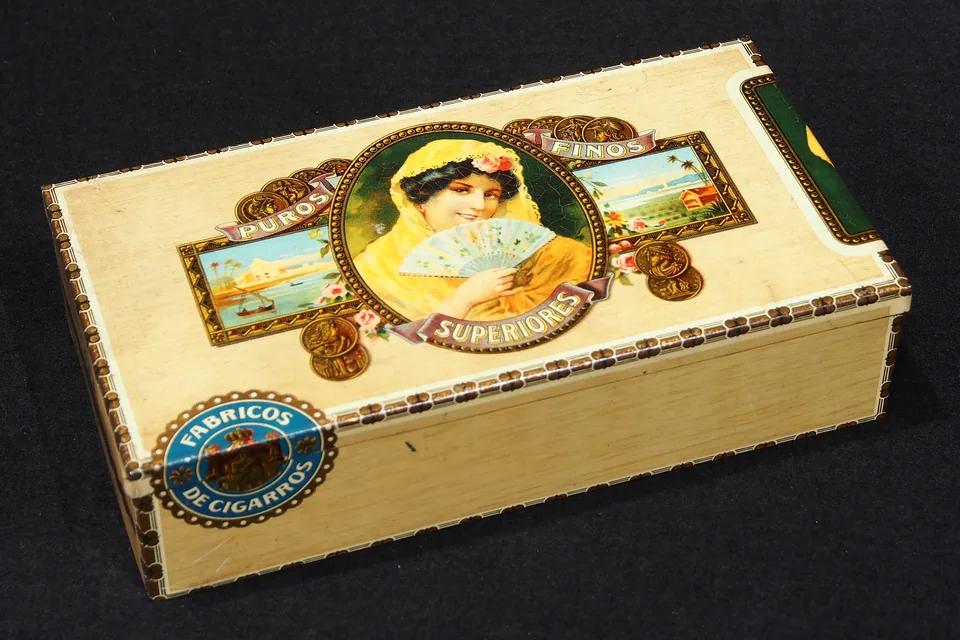
For anything longer, put them in a thick freezer-grade ziplock bag with a two-way humidity pack. A Boveda pack at 65% or 69% is the common choice.
This is the simplest way to store cigars without a humidor, and it works surprisingly well. The bag stops Malaysian air from getting in, while the pack holds the humidity steady. Above all, keep the bag in an air-conditioned room, not on a hot shelf.
Tupperdors and coolidors
A tupperdor is an airtight plastic food container used as a humidor. A coolidor is the same idea in an insulated picnic cooler. Neither one leaks, so they hold humidity far better than many wooden boxes. Plastic also carries no risk of warping or splitting in the heat.
The main drawback is that neither cools the cigars. A cooler’s insulation slows temperature swings, but it cannot bring a 30 °C room down to 21 °C. Our tupperdor guide shows how to set one up with beads or packs and a small hygrometer.
Wooden humidors
A traditional humidor is a box lined with Spanish cedar. The cedar holds moisture, buffers small swings and adds a subtle aroma. A good one is a pleasure to own. However, it needs seasoning before first use, and it controls only humidity.
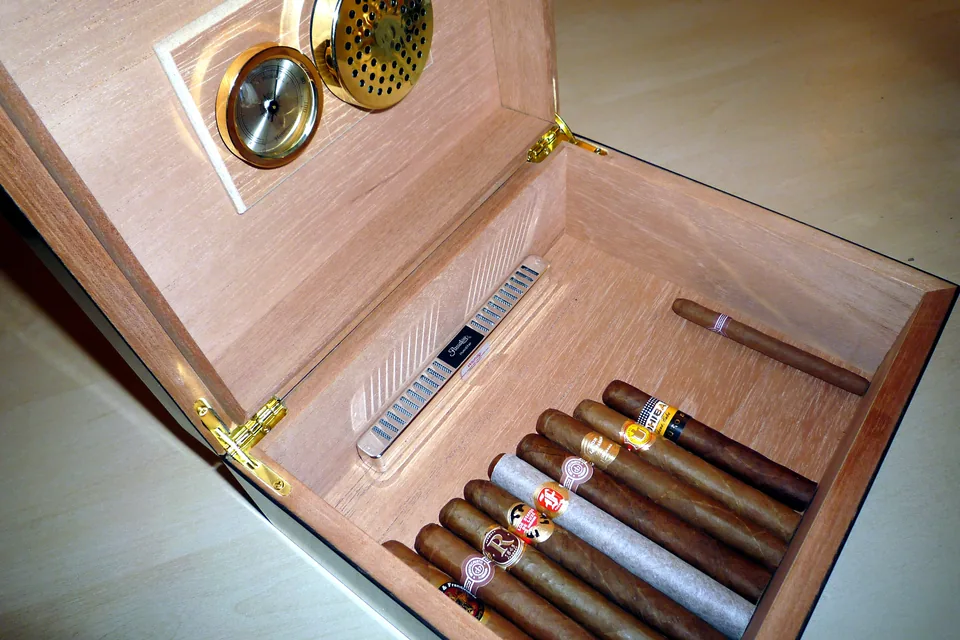
In Malaysia, a wooden humidor therefore works best in a room that is air-conditioned most of the day. In an unconditioned room it will sit at room temperature, and so will your cigars. Our cigar humidor guide covers sizes, seals and what to look for.
Thermoelectric cabinets and wineadors
A thermoelectric cabinet is a small electric fridge-like unit that cools gently, without a compressor. A “wineador” is a wine cooler converted for cigars, with cedar shelves and a humidity source added. Purpose-built cigar cabinets usually include a humidifier and a digital display.
For most Malaysian collectors who keep cigars for more than a few months, this is the most reliable option. It keeps both temperature and humidity in range, whatever the weather. On the other hand, it needs power, it takes up space, and cheaper units can struggle when the room is very hot. Cooling also tends to dry the air, so you still need a humidity source inside.
Walk-in humidors
Walk-in rooms are mostly for retailers, lounges and hotels. They use dedicated cooling and humidification, so they can hold whole boxes at stable conditions. If you are curious, many Malaysian cigar lounges keep one, and our guide to cigars in Malaysia covers the local scene.
Where to keep cigars in a Malaysian home
Location matters as much as the container when you work out how to store cigars at home. Even the best humidor struggles in the wrong spot. Here are the rules that work in a typical condo or terrace house.
- Choose the coolest room. For most people, that is a bedroom or study with air-conditioning that runs for long periods. A room that is cooled only at night still swings by 6–10 °C every day.
- Keep away from windows and outer walls. Afternoon sun through glass can heat a shelf far above room temperature. West-facing rooms are the worst.
- Avoid the kitchen and bathroom. Cooking heat, steam and strong smells all reach cigars. Tobacco absorbs odours easily, so spices and frying oil are bad neighbours.
- Not under an aircon vent. Cold, dry air blowing straight onto a box dries it out fast. Place storage on the far side of the room.
- Never in a car. A parked car in the Malaysian sun can get dangerously hot inside. Even an hour is enough to dry out cigars, and the heat may wake beetle eggs.
- Low and dark. A cupboard or a low shelf in a cool room is ideal. Heat rises, and light fades wrappers over time.
Malaysia tip
If you only run aircon at night, a tupperdor or coolidor is a better choice than a wooden humidor. The sealed plastic and insulation slow down the daily temperature swing far more than a cedar box does.
Power cuts, haze season and travel
Malaysian homes face a few challenges that storage guides rarely mention. With a little planning, none of them needs to ruin your cigars.
Power cuts
A short outage of a few hours does little harm. A sealed cabinet stays cool for a while if you keep the door shut. After that, the inside will slowly warm towards room temperature. For longer cuts, avoid opening the cabinet, and check the temperature once power returns. If it went above about 24 °C for a day or more, inspect your cigars for beetle holes over the following weeks.
Meanwhile, avoid relying only on an electronic humidifier. A passive backup, such as a humidity pack or beads, keeps humidity steady even without power.
Haze season
Haze from regional fires tends to arrive during the southwest monsoon, roughly from June to September, when MetMalaysia warns of hot, dry spells. Smoke particles and smells can enter a leaky box. During bad haze, keep storage closed and sealed, and open it indoors with windows shut. A sealed tupperdor or cabinet protects cigars far better than an open shelf.
Dry monsoon weeks also mean lower outdoor humidity. So check your hygrometer more often, as rooms may dry out faster than usual.
Travel
For a flight or road trip, a hard travel case or a sealed bag with a small humidity pack is enough for a few days. Do not leave cigars in a hot car boot or in direct sun. On arrival, keep them in the hotel room with aircon, but not right under the vent.
If you are flying in or out of Malaysia with cigars, check the rules first. Our guide to bringing cigars into Malaysia covers duty-free allowances. In addition, our page on cigar travel cases compares the options.
How long cigars keep, and ageing
Stored well, premium hand-rolled cigars keep for many years. Some collectors smoke cigars that are decades old. Stored badly, they can dry out in days or grow mould in a week. Our guide on how long cigars last goes into the timelines in detail.
Ageing is what happens when cigars rest for months or years in good conditions. The flavours slowly blend and soften. Sharp, peppery notes often calm down, and many smokers say aged cigars taste smoother and more rounded. However, not every cigar improves. Mild cigars may simply fade, so age only what you enjoy, and taste one now and then.
Ageing in the tropics has one firm requirement: cool, stable temperatures. Learning how to store cigars for years is really about controlling heat. Warm storage does not age cigars better or faster in a good way. Instead, it mostly raises the risk of beetles and mould. Therefore, if you plan to age cigars, a cooled cabinet is close to essential here.
Cellophane: on or off?
Many cigars come in thin cellophane sleeves. Smokers argue about whether to leave them on. In practice, both choices are fine.
Leaving it on protects the wrapper from handling and knocks. It also slows moisture exchange, which helps when conditions swing, such as in a room with nightly aircon. Similarly, it stops strongly flavoured cigars from sharing their aroma with others.
Taking it off lets cigars breathe and settle at the box’s humidity a little faster. Over years, unwrapped cigars also tend to age together and pick up some cedar character. Note that cellophane slowly turns amber with age, which some collectors read as a sign of time in storage.
One rule holds either way. If you remove the cellophane from flavoured or infused cigars, keep them in a separate container. Otherwise their scent will soak into everything else.
Rehydrating dry cigars slowly
Malaysian air-conditioning can dry cigars quickly. If you find a box left on a desk for a month, do not rush to fix it. Dry tobacco absorbs water unevenly. If the wrapper swells faster than the filler underneath, it will split.
- Check the damage. Gently squeeze the cigar. If it feels hard and crackly, it is dry. If the wrapper is already cracked, it will still smoke, though not perfectly.
- Start low. Put the cigars in a sealed bag or box with a 62% or 65% humidity pack. Leave them there for one to two weeks.
- Step up. Then move them to your normal storage level, such as 65–69%, for another one to two weeks.
- Rest before smoking. Wait until the cigars feel evenly springy along their length. Badly dried cigars may need a month or more.
Never put dry cigars straight into a 72% or 75% environment, and never mist them with water. That is the fastest way to crack a wrapper. Furthermore, accept that very old, very dry cigars may never fully recover their original flavour.
Monitoring with a hygrometer
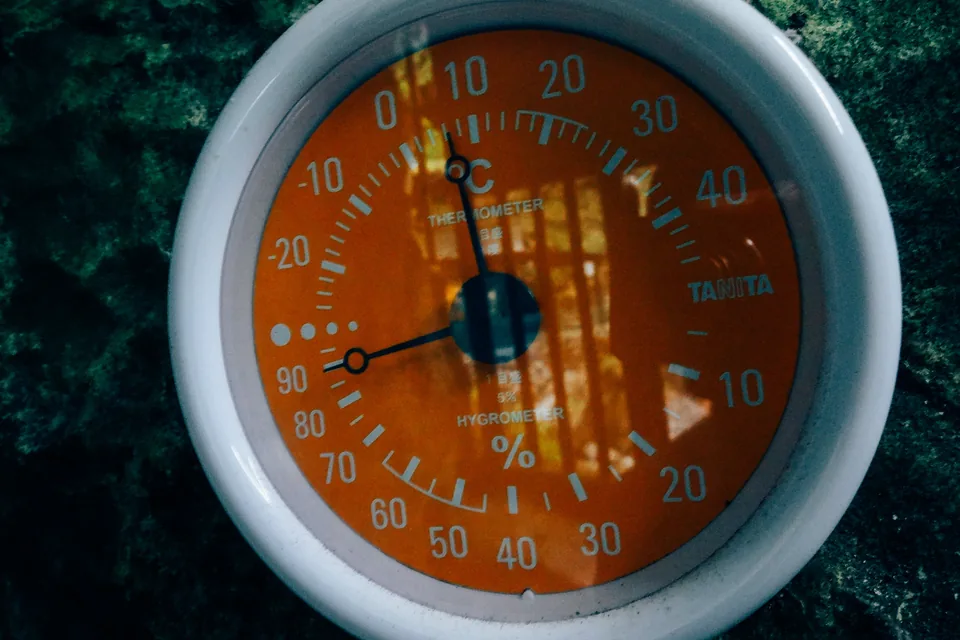
You cannot manage what you do not measure. A hygrometer is a small gauge that shows relative humidity, and most digital models show temperature too. In Malaysia, the temperature reading matters just as much as the humidity one.
Here are the habits that make a hygrometer useful:
- Calibrate it first. Basic analogue dials can be off by 5–10 points. Digital models are better, but still worth testing with a salt test or a calibration pack.
- Check weekly. Look for trends, not single readings. A slow drift tells you a pack is nearly spent or a seal is failing.
- Read it before opening. Opening the lid lets room air in, so the number moves for a few minutes.
- Track temperature. If the reading creeps above 22–24 °C, act before beetles do.
Our guide to cigar hygrometers explains calibration step by step and compares the main types.
A simple plan for your situation
To sum up, here is how to store cigars in Malaysia based on how many you keep and how long you hold them.
| Your situation | What to use | Where to keep it |
|---|---|---|
| A few cigars, smoked within a week | Original box or cellophane | Cool, air-conditioned room, out of the sun |
| A handful, kept up to three months | Ziplock bag with a 65% or 69% pack | Air-conditioned bedroom or study |
| 20–100 cigars, kept for months | Tupperdor or wooden humidor with packs or beads | Room with steady aircon, away from windows |
| 100+ cigars, or ageing for years | Thermoelectric cabinet with a passive humidity backup | Shaded room, stable power, checked weekly |
Whichever option you choose, the principles stay the same. Keep cigars cool, keep them steady, and keep an eye on the numbers. Cigar storage is not complicated once you accept that the tropics play by different rules. For the bigger picture, start at our cigar storage hub, and remember that no storage method makes smoking safe. Our page on cigar health risks sets out the facts.
Frequently asked questions
How do you store cigars without a humidor?
Use an airtight plastic food container or a thick ziplock bag with a two-way humidity pack, such as a 65% or 69% Boveda. Keep it in a cool, dark, air-conditioned room, away from windows. This works well for weeks or a few months. See our tupperdor guide for a longer-term version.
What is the best temperature to store cigars in Malaysia?
Aim for about 18–21 °C, and try not to go above 22–24 °C for long. Warmer storage raises the risk of tobacco beetles hatching and of mould. Most Malaysian homes are far warmer than this, so a cooled cabinet or an air-conditioned room is usually needed.
Can I store cigars in the fridge?
Not as a long-term solution. A fridge is too cold and very dry, and opening the door causes condensation. Freezing is only used for a few days to kill beetle eggs, inside a sealed bag, with a slow return to room temperature.
Should I take the cellophane off cigars before storing them?
Either way works. Cellophane slows moisture exchange, which helps when conditions swing, and it protects the wrapper when handling. Removing it lets cigars settle and age together a little faster. Many Malaysian smokers leave it on for cigars they will smoke soon.
Is a wooden humidor enough in Malaysia?
A good wooden humidor controls humidity but not temperature. In a room at 28–32 °C, it will sit far too warm. It works best in a room with steady air-conditioning, or you can choose a thermoelectric cabinet that cools as well.
Sources
- Malaysian Meteorological Department — Malaysia's climate
- Texas A&M AgriLife Urban Entomology — Cigarette beetles
- Insects (2021) — Effect of temperature on the growth and reproduction of Lasioderma serricorne
- Cigar Aficionado — Fighting tobacco beetles
- Boveda — What's the RH for cigars?
- The Star — MetMalaysia: haze eases for now but could return soon (August 2026)