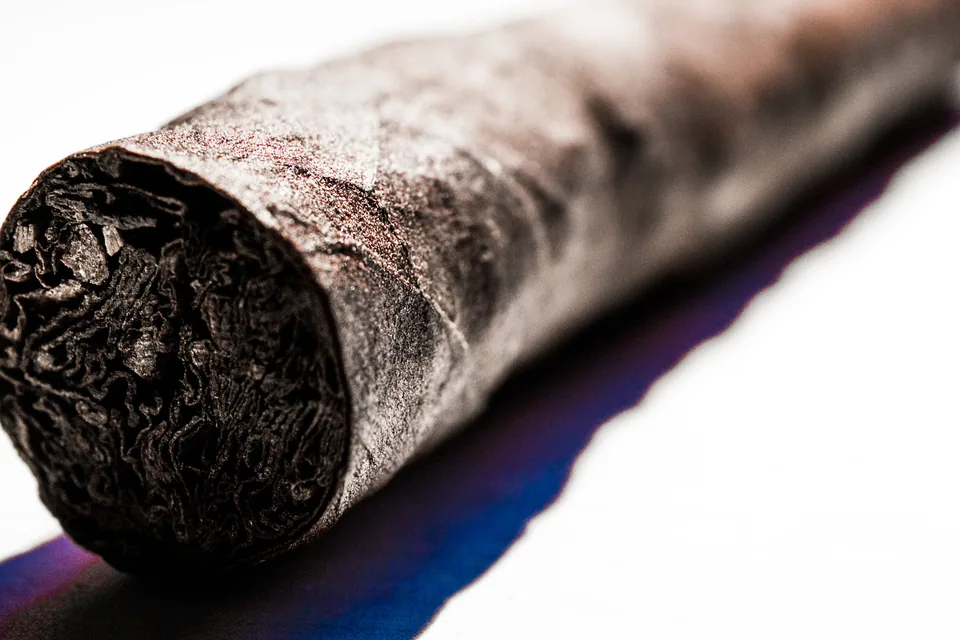
Cigar mold is one of the two problems every Malaysian smoker should learn to spot early, and tobacco beetles are the other. Both thrive in warm, humid conditions, which is exactly what our climate supplies. The good news is that you can usually tell mould from harmless plume in seconds. Beetles, meanwhile, have a simple, reliable fix: your freezer.
Why Malaysia’s climate raises the risk
Most cigar storage advice comes from cooler countries. There, the usual worry is dry winter air. In Malaysia, outdoor air often sits at 70–90% RH and above 30 °C. Even indoors, a room can turn warm and damp when the air-con goes off.
Mould needs moisture and warmth. Tobacco beetle eggs need the same. So a humidor that reads a “perfect” 70% RH can still cause trouble if it sits at 28 °C. In short, temperature control matters as much as humidity here.
Cigar mold vs plume: what is the difference?
Mould is a fungus. It grows when cigars stay too moist, often above about 72–75% RH, especially in warm conditions. It feeds on the tobacco and can spread from cigar to cigar.
Plume, sometimes called bloom, is a much-debated idea. Supporters describe it as fine crystals of oils that rise to the wrapper during long, stable ageing. Many experienced smokers and some industry voices doubt it exists at all, or say it is very rare. Either way, most white spots you will see on a cigar are mould, not plume.
When in doubt, treat it as mould.
How to tell them apart
Use these checks together, rather than relying on just one.
| Check | Mould | Plume (if it exists) |
|---|---|---|
| Colour | White, grey, blue, green or yellow | Greyish-white, sparkly or matt |
| Texture | Fuzzy, raised, cottony or spotty | Flat, dry, very fine dust |
| Wipe test | Smears, sticks or leaves a stain | Brushes off cleanly, no mark |
| Location | Often at the foot, cap, seams or between cigars | Even, light dusting across the wrapper |
| Smell | Musty, damp, like a wet cupboard | No change to the cigar’s smell |
| Spread | Grows and spreads within days | Does not spread |
Try the wipe test with a soft, dry brush or clean tissue. Then look closely under good light. A magnifying glass helps.
What to do if you find cigar mold
Act quickly, because spores spread through the box. Here is the order to work in.
- Isolate the cigars. Remove every cigar and separate the affected ones from the clean ones.
- Judge each cigar. Fuzzy, coloured, deep or widespread mould means discard. Mould on the foot or inside the cigar also means discard.
- Treat light surface spots with care. Some smokers brush off a tiny spot of white surface mould and keep the cigar. If you do, store it apart and watch it. Discarding it is always the safer choice.
- Check the clean cigars. Inspect each one, and keep them in a separate sealed box for a week while you watch for new growth.
- Fix the cause. Check the hygrometer’s calibration, the humidifier and the room temperature before restocking.
Never smoke a cigar with fuzzy or coloured mould. Smoking is never safe, and mould adds another risk. Our page on cigar health risks explains the wider picture.
Cleaning the humidor
Empty the humidor completely. Throw away any foam, sponge or crystal gel that has mould on it, since you cannot clean it reliably. Then brush out the corners and wipe the cedar with a clean cloth lightly dampened with distilled water. Avoid household cleaners and bleach, because the wood absorbs the smell.
Next, leave the box open in a cool, dry room for several days, out of direct sun. Finally, re-season the humidor before you add cigars again.
Preventing cigar mold
- Keep RH at 65–70%. In Malaysia, the lower end is often safer. See our guide to the best humidity for cigars.
- Keep it cool. Aim for below about 21–24 °C.
- Use two-way humidity control. Two-way packs or beads absorb excess moisture as well as add it.
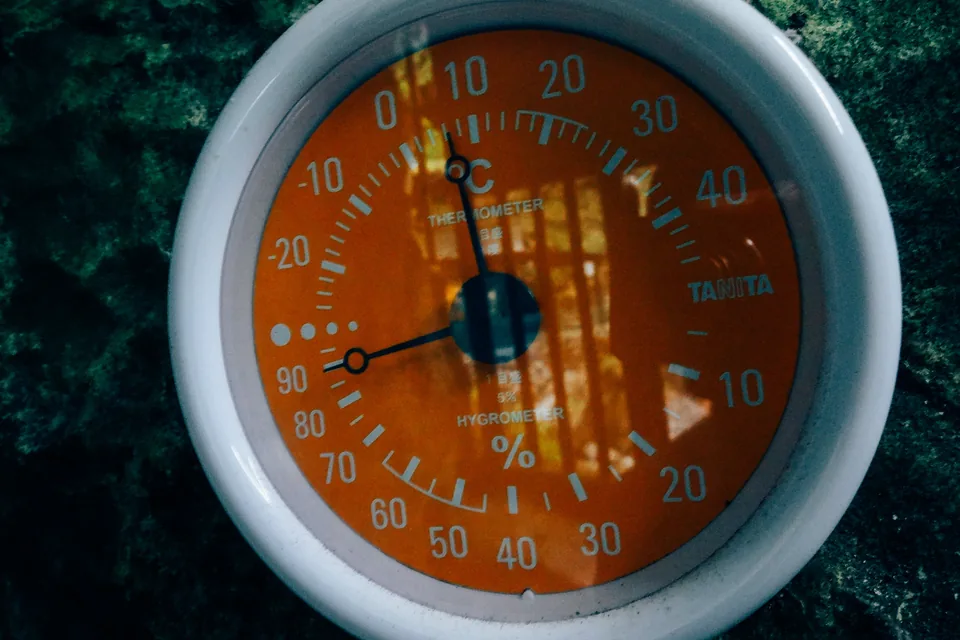
- Calibrate your hygrometer. A gauge that reads low hides a wet box.
- Air the box now and then. A brief opening lets fresh air in.
- Use distilled water only. Tap water carries microbes.
Tobacco beetles: the other tropical threat
The tobacco beetle (Lasioderma serricorne), also called the cigarette or cigar beetle, is a tiny pest that eats dried tobacco. According to Tobacconist University, adults are about 2–3 mm long and reddish-brown. They can be found above about 18 °C, but eggs typically hatch above about 23 °C with high humidity.
Eggs can lie dormant in tobacco for a long time. As a result, a cigar can look perfect for months, then show damage after a warm spell. That is why beetles are such a concern in a Malaysian home.
The life cycle
The beetle moves through four stages: egg, larva, pupa and adult. The larval stage does the damage. Larvae eat their way through the filler for roughly five to ten weeks. Then they pupate and emerge as adults, which bore out through the wrapper and lay more eggs.
Signs of beetles
- Pinholes. Small, round holes in the wrapper, often in a line.
- Tunnels. Channels inside the cigar that ruin the draw.
- Fine powder. Tobacco dust on the shelf or at the bottom of the box.
- Live beetles. Tiny brown insects, often near the lid or the corners.
If you see one holed cigar, assume the whole box is at risk.
How to freeze cigars to kill beetles
Freezing kills beetles at every stage, including eggs. The key is to change temperature slowly and keep moisture locked in, so the wrappers do not crack. This method follows the approach described by Cigar Aficionado and Tobacconist University.
- Remove and inspect. Take every cigar out of the humidor. Throw away any that are badly holed.
- Bag the cigars. Place them in zip-lock freezer bags, squeeze out the air and seal tightly. Double-bag them to prevent freezer burn. You can freeze them in their box inside a large bag.
- Chill in the fridge first. Put the bags in the fridge for about 24 hours. This step softens the temperature shock.
- Freeze for about three days. Move the bags to the freezer, ideally at about –18 °C or colder, for roughly 72 hours.
- Return to the fridge. Move the bags back to the fridge for about 24 hours.
- Warm up at room temperature. Leave the sealed bags out for a few hours, so no condensation forms on the cigars when you open them.
- Return to a clean humidor. Clean the humidor while the cigars are frozen, then put them back.
Clean the humidor too
Beetles and eggs can hide in the cedar and corners. Vacuum the empty box, wipe it with a lightly damp cloth, check it carefully, and consider freezing any cedar trays as well.
Some smokers freeze every new box as a precaution before it goes into the humidor. That is a personal choice. However, it is sensible for cigars that have spent time in a warm shop, car or hotel room.
Keeping beetles away for good
Prevention is far easier than cure. Above all, keep storage cool. In Malaysia, that usually means an air-conditioned room or a cooled cabinet. Also check new cigars before they join the collection, and keep different batches apart for a few weeks.
Our cigar humidor guide covers cooled options such as wineadors. If you want a sealed, simple box, our tupperdor guide explains how to keep one cool.
Next steps
Mould and beetles are both storage problems, so the long-term fix is good storage. Our pillar guide on how to store cigars brings humidity, temperature and placement together for the tropics. If you are unsure whether old cigars are still worth keeping, see how long cigars last.
Frequently asked questions
How do I know if it is cigar mold or plume?
Mould is usually fuzzy or raised, can be blue, green, white or grey, smears when wiped and may stain the wrapper. Plume is flat, dry, fine and greyish-white, and it brushes off without a mark. If you are unsure, treat it as mould.
Can you smoke a cigar with mold on it?
It is not worth the risk if the mould is fuzzy, coloured, on the foot or inside, or covers much of the wrapper. Many smokers wipe off a tiny spot of light surface mould and smoke the cigar, but discarding it is the safer choice. Cigars are never safe; see our page on cigar health risks.
Does freezing cigars ruin them?
Not if you do it slowly and keep them sealed. Bag the cigars, move them through the fridge before and after the freezer, and let them warm up before opening the bag, so condensation does not form on the wrappers.
What temperature do tobacco beetles hatch at?
Tobacconist University notes that tobacco beetles can be found above about 18 °C but typically hatch above about 23 °C with high humidity. That is why cool storage matters so much in Malaysia.
Do I need to throw away a humidor after mould?
Usually not. Empty it, clean the cedar gently, let it dry fully and re-season it. Replace any foam, sponge or crystals that grew mould. If mould keeps coming back, check the humidifier and the room temperature.