Cuban brand
Cohiba Cigar: Brand Profile
Cuba’s flagship brand, from Castro-era diplomatic gift to the Siglo and Behike lines.
Cigar Malaysia Guide is an independent editorial site about cigars for adults aged 18 and over. We do not sell tobacco.
No, take me to the Ministry of HealthSmoking causes cancer, heart disease and other serious illness.
Brands
Neutral profiles of 20 major Cuban and New World cigar houses.
Photo: Mstyslav Chernov / CC BY-SA 3.0
Cigar brands can be confusing. One name may stand for two different cigars, and a house founded in Havana may now roll its cigars in Nicaragua. This directory gives a plain, neutral profile of 20 major makers. Each page covers history, factories, key sizes and house style. It also lists strengths, common gripes and the brand’s place in Malaysia.
Every profile follows the same pattern, so you can compare houses easily. First, a fact file lists the year it began, where it is from, who owns it and how strong it tends to be. Next comes the story of who started the brand and how it changed hands. After that, a table lists well-known sizes, called vitolas, with length and ring gauge.
The flavour notes describe a house style in broad terms. They are not notes for one cigar. For those, see our cigar reviews, which score single cigars on a fixed scale. Finally, no profile is an ad. We list common gripes too, because every brand has them.
Broadly, the market splits in two. Cuban brands are made in Cuba from Cuban tobacco, mostly grown in the Vuelta Abajo. The Cuban state owns them, and Habanos S.A. sells them around the world. Our pillar on Cuban cigars explains that system in depth.
“New World” covers everything else, mainly the Dominican Republic, Nicaragua and Honduras. Most of these brands are family firms or parts of big groups, and many blend leaf from several countries. In general, Nicaraguan cigars lean bold and peppery, while many Dominican cigars are smoother. Our guides to Nicaraguan cigars and Dominican cigars go further.
After the revolution, Cuba took over its cigar industry in 1960. Many owners left and set up their brands again abroad, mainly for the US, where the embargo bans Cuban cigars. As a result, Cohiba, Montecristo, Romeo y Julieta, H. Upmann, Hoyo de Monterrey, Punch, Partagás, Bolívar and Trinidad all have non-Cuban namesakes.
The US Cohiba is the best-known case. General Cigar has sold it since the late 1970s, and the trademark fight with Cuba has run since 1997, as Cigar Aficionado reports. Our Cuban profiles cover the Habanos brands and explain each split. Outside the US, the Cuban version is the one you will normally meet.
| Brand | Origin | Founded | House style |
|---|---|---|---|
| Cohiba | Cuba | 1966 | Polished, rich, medium to full |
| Montecristo | Cuba | 1935 | Balanced, cedar and cocoa, medium to full |
| Romeo y Julieta | Cuba | 1875 | Aromatic, medium |
| Partagás | Cuba | 1845 | Earthy, spicy, full |
| Hoyo de Monterrey | Cuba | 1865 | Delicate, floral, light to medium |
| H. Upmann | Cuba | 1844 | Smooth, refined, light to medium |
| Bolívar | Cuba | 1902 | Dark, powerful, full |
| Trinidad | Cuba | 1969 | Honeyed, elegant, medium |
| Punch | Cuba | 1840 | Classic, earthy, medium |
| Padrón | Nicaragua | 1964 | Nicaraguan puros, rich and earthy |
| Arturo Fuente | Dominican Republic | 1912 | Refined Dominican blends, home of Opus X |
| Davidoff | Dominican Republic | 1968 | Elegant, mostly mild to medium |
| Oliva | Nicaragua | 1995 | Nicaraguan, medium to full |
| My Father | Nicaragua | 2008 | Bold, peppery, Cuban-trained blending |
| Drew Estate | Nicaragua | 1995 | Infused cigars and full-bodied Liga Privada |
| Ashton | Dominican Republic | 1985 | Smooth, refined Dominican |
| Rocky Patel | Honduras and Nicaragua | 1995 | Wide range, often medium to full |
| Plasencia | Nicaragua and Honduras | 1865 (family growers) | Grower-made, rich Central American |
| Perdomo | Nicaragua | 1992 | Nicaraguan, many wrapper options |
| Macanudo | Dominican Republic | 1971 | Mild, Connecticut shade |
Dates refer to the brand or firm, not the family’s first work with tobacco, unless we say so. Strength labels follow our cigar strength chart.
Malaysians search for Cohiba far more than for any other name, followed by Davidoff, Montecristo, Romeo y Julieta, Partagás and Trinidad. Cuban brands arrive through The Pacific Cigar Company, the official Habanos distributor for the Asia-Pacific region, according to Habanos. Habanos has even released a Malaysia regional edition, the San Cristóbal de La Habana Harimau Malaya, in 2021.
Under Act 852, tobacco advertising and online sales are banned, so this directory never points you to a seller. Our page on Act 852 and cigar law explains the rules. For the wider picture, start with our guide to cigars in Malaysia, and read about cigar health risks before you smoke.
If you are new, read the Cuban profiles in the order above, then compare one New World house from each country. Our guide to cigars for beginners suggests gentler starting points. To spot fakes of the famous names, see counterfeit cigars.
Cuban brand
Cuba’s flagship brand, from Castro-era diplomatic gift to the Siglo and Behike lines.
Cuban brand
The 1935 Havana brand behind the No. 2 and No. 4, and the Cuban vs US trademark split.
Cuban brand
The 1875 Havana brand that gave the Churchill size its name.
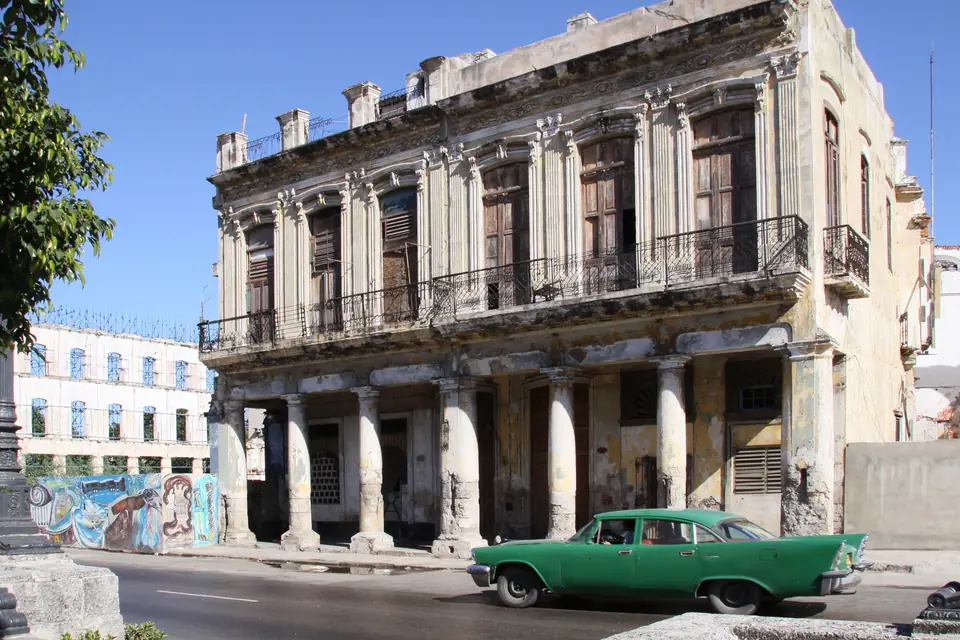
Cuban brand
The 1845 Havana house known for strong, earthy cigars and the Serie D No. 4.
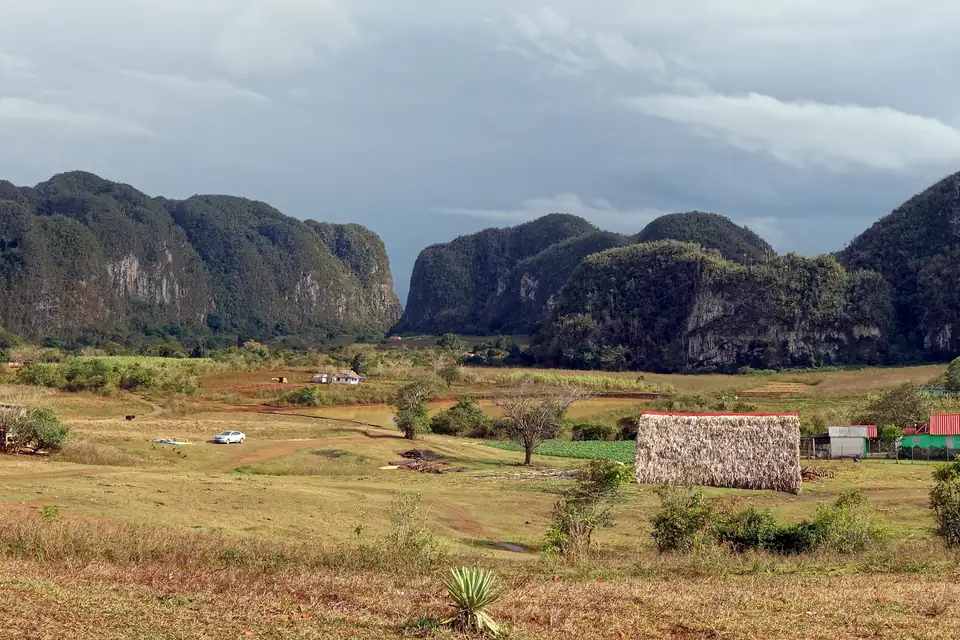
Cuban brand
The light, aromatic Cuban brand named after a Vuelta Abajo farm.
Cuban brand
The 1844 Havana brand founded by a German banker, known for smooth, medium cigars.
Cuban brand
One of the strongest Cuban brands, named after the liberator Simón Bolívar.
Cuban brand
Cohiba’s El Laguito sibling, launched to the public in 1998 with the slim Fundadores.
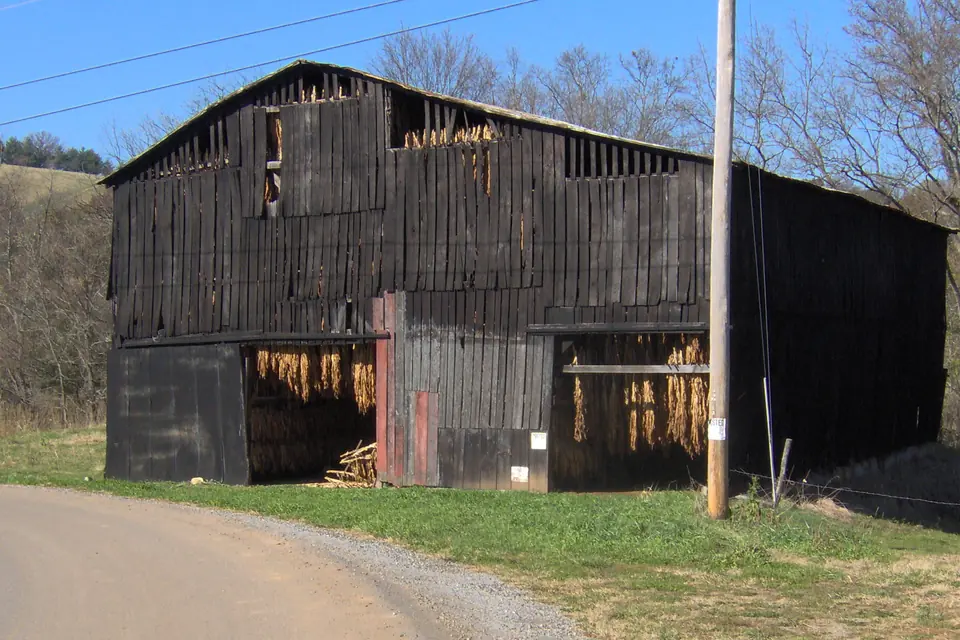
Cuban brand
One of the oldest Habanos brands, named for the British humour magazine and its puppet mascot.
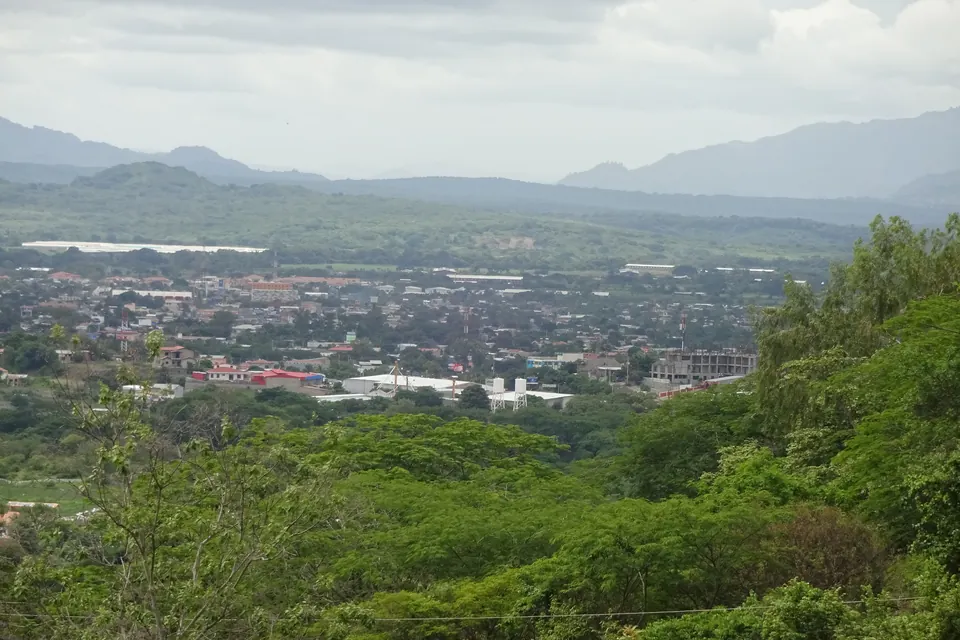
Nicaraguan brand
A Cuban exile’s Miami workshop that became Nicaragua’s most decorated family brand.
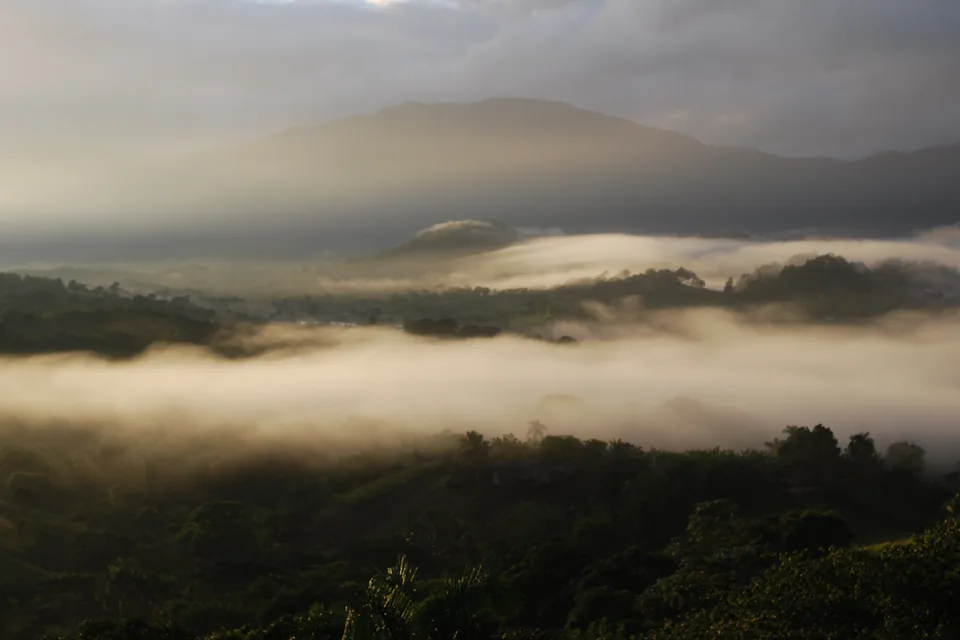
Dominican brand
A Tampa family business that rebuilt itself in the Dominican Republic and grew the first famous Dominican wrapper.
Dominican brand
A Geneva tobacconist’s name that left Cuba in 1990 and rebuilt itself in the Dominican Republic.
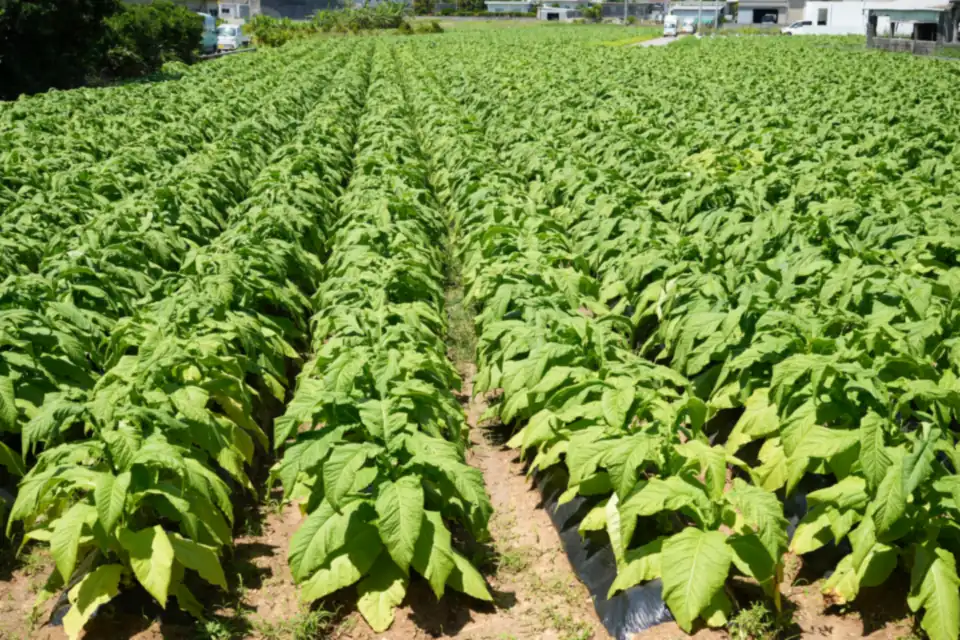
Nicaraguan brand
A Cuban tobacco-growing family turned Estelí cigar maker, now part of Belgium’s J. Cortès group.
Nicaraguan brand
A Cuban master roller and his son built one of Estelí’s most praised family brands.
Nicaraguan brand
From a World Trade Center kiosk to one of Nicaragua’s largest hand-rolled cigar factories.
Dominican brand
A Philadelphia tobacconist’s brand, rolled by the Fuente family in the Dominican Republic since 1985.
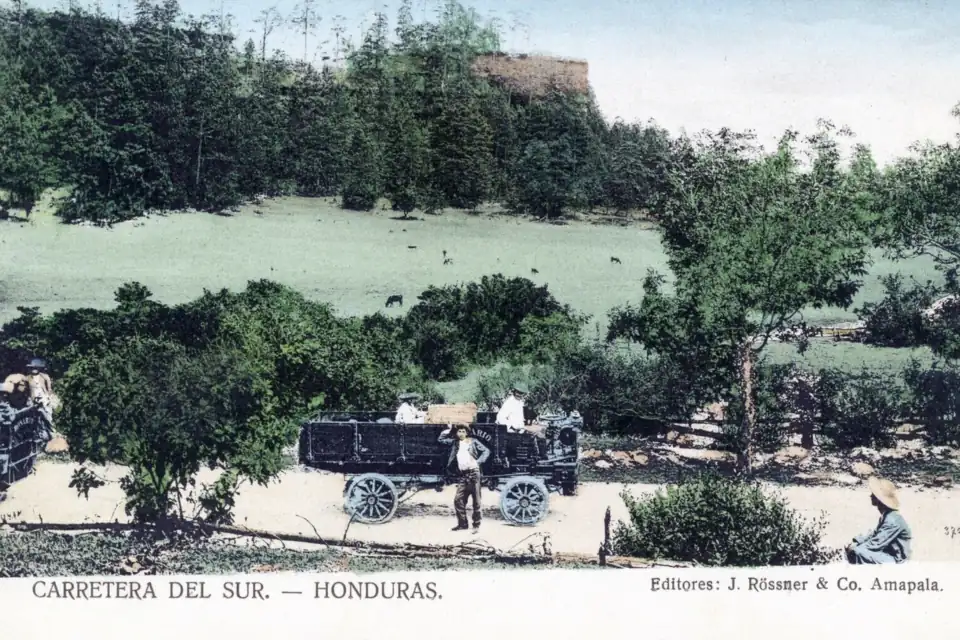
Honduran and Nicaraguan brand
A former Hollywood lawyer built one of the largest premium portfolios in the trade.
Nicaraguan brand
Five generations of growers who rolled for other brands for decades before launching their own in 2017.
Nicaraguan brand
A Miami family company that grows, ages and rolls its own Nicaraguan tobacco.
Dominican brand
The mild, Connecticut-wrapped brand that for years was America’s best-selling premium cigar.