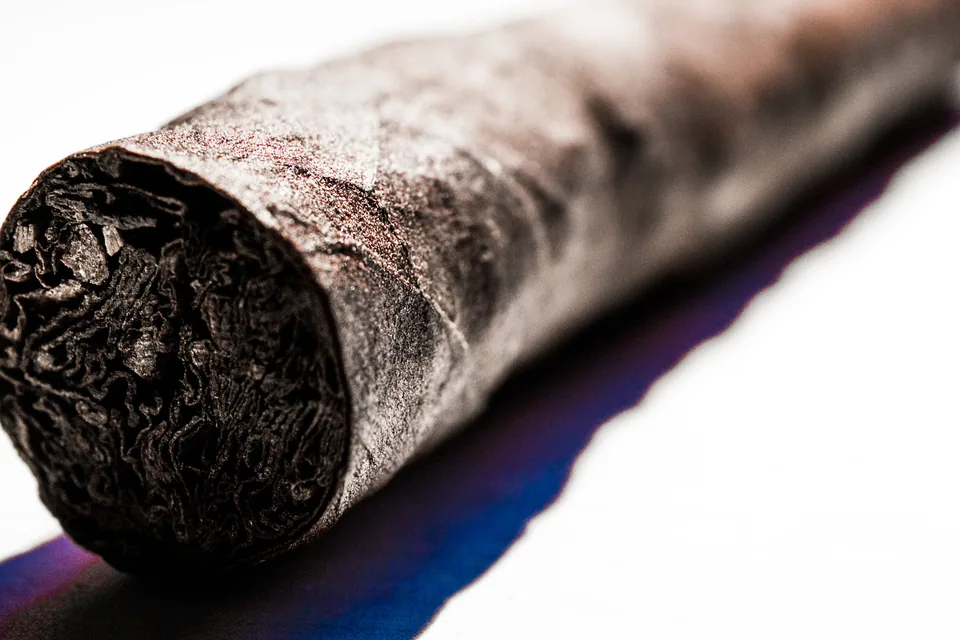
Do you inhale cigars? No. With a premium cigar, you draw the smoke into your mouth, let it rest on your palate so you can taste it, and then breathe it out. It never goes into your lungs. That is the single biggest difference between smoking a cigar and smoking a cigarette. Below we explain why, what retrohaling means, what happens if you inhale by mistake, and why not inhaling still does not make cigars safe.
Do you inhale cigars? The short answer
You do not. Cigars are a tasting experience, a little like wine or whisky. The flavour comes from the tobacco itself, and your tongue and palate pick it up while the smoke is in your mouth. Pulling it deeper adds nothing to the taste. Instead, it adds harshness, coughing and a much stronger nicotine hit.
So, the basic action is simple. Take a gentle puff, hold the smoke for a second or two, roll it around your mouth, then let it go. Our step-by-step guide on how to smoke a cigar covers the whole ritual, from cutting to putting it down.
Why cigar smoke stays in the mouth
There are two main reasons: chemistry and comfort.
Cigar smoke is alkaline
Most cigarette tobacco is flue-cured, which makes the smoke slightly acidic. In that form, nicotine is absorbed poorly in the mouth. As a result, cigarette smokers need to inhale to get it into the bloodstream through the lungs.
Cigar tobacco is different. It is air-cured and then fermented for months, sometimes in large piles called pilones. That process changes the leaf, and the smoke is usually alkaline. Alkaline smoke lets nicotine pass through the lining of the mouth. The US National Cancer Institute notes that smokers absorb nicotine both by inhalation and through the lining of the mouth. In other words, a cigar smoker gets nicotine without inhaling at all.
Cigar smoke is too strong for the lungs
Cigar smoke is thick, heavy and concentrated. Taken into the lungs, it feels very harsh. Most people who try it cough hard straight away. That discomfort is one reason cigar culture developed around tasting rather than inhaling.
What happens if you inhale cigar smoke?
Most beginners inhale by accident at least once, usually out of cigarette habit. The usual result is immediate. You cough, your throat and chest burn, and your eyes water.
Then the nicotine arrives. Because the lungs absorb it very quickly, you can feel dizzy, sweaty, pale and nauseous within minutes. This is often called nicotine sickness, or being “green”. If it happens, stop smoking, sit somewhere cool, drink water and eat something. Many smokers say a sugary drink helps. However, if you have chest pain, trouble breathing or you faint, seek medical help immediately.
Over time, regular inhaling also adds lung and heart risk on top of the mouth and throat risks every cigar smoker already faces. Former cigarette smokers who switch to cigars and keep inhaling are a particular concern, according to the NCI.
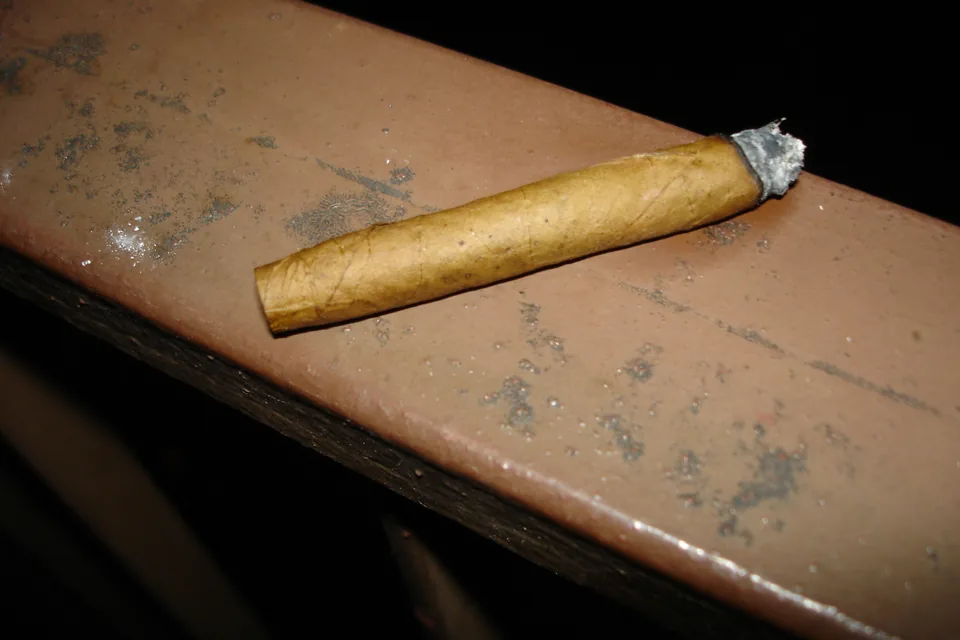
Retrohaling explained
Retrohaling is the one technique that confuses people. It sounds like inhaling, but it is not.
To retrohale, you take a puff into your mouth as normal. Then, with your mouth almost closed, you gently push a small amount of that smoke out through your nose. The smoke passes the back of the nasal cavity, where your sense of smell lives. Because so much of what we call “taste” is really smell, a retrohale can reveal far more flavour: spice, cedar, pepper, floral notes.
How to try it safely
Retrohaling is optional. Plenty of experienced smokers never do it. If you want to try, take it slowly.
- Start with a mild cigar. Strong cigars can sting the nose badly.
- Take a normal puff. Let the smoke fill your mouth, but not your lungs.
- Release most of it. Breathe out most of the smoke through your mouth first.
- Push the rest gently. Close your lips and breathe the last wisp out through your nose.
- Stop if it burns. A tingle is normal. Real burning means the cigar is too strong for it.
The key is that the smoke goes from your mouth to your nose. It does not travel down your windpipe. Our guide on how to taste a cigar explains how to use retrohaling to pick out flavours.
How not inhaling changes the risk, and how it does not
It is tempting to assume that, because you do not inhale, cigars are a safe choice. Sadly, they are not.
Mouth and throat cancer risk remains
The NCI states that all cigar smokers, whether or not they inhale, directly expose their lips, mouth, tongue, throat and larynx to smoke and its toxic, cancer-causing chemicals. It also reports that regular cigar smokers and cigarette smokers have similar risks of oral cavity and oesophageal cancer. Cigar smokers who do not inhale do have lower lung cancer risk than cigarette smokers. Still, that risk remains higher than for people who have never smoked.
Nicotine and addiction
Nicotine reaches your bloodstream through the mouth, so cigars can still be addictive. The NCI notes that a single large cigar can contain as much nicotine as a pack of cigarettes. In addition, the World Health Organization is clear that every form of tobacco is harmful and that there is no safe level of exposure.
For the full picture, read our guide to cigar health risks and our comparison of cigars vs cigarettes. If you want help to stop, Malaysia’s Ministry of Health runs quit-smoking services, which our health section links to.
Cigars vs cigarettes: smoking styles side by side
This table sums up how smoking styles differ. It is about technique, not safety.
| Premium cigar | Cigarette | |
|---|---|---|
| Inhaled? | No, smoke stays in the mouth | Yes, into the lungs |
| Smoke chemistry | Usually alkaline | Usually slightly acidic |
| Main nicotine route | Lining of the mouth | Lungs |
| Typical smoking time | 30 minutes to 2 hours | A few minutes |
| Puff rate | About once a minute | Frequent |
| Purpose | Flavour and ritual | Nicotine delivery |
Tips for not inhaling, especially for ex-cigarette smokers
If you used to smoke cigarettes, inhaling can be a reflex. These habits help you break it.
- Puff, don’t drag. Use your cheeks, like sipping through a straw, rather than your chest.
- Breathe through your nose. Keep breathing normally through your nose while the smoke sits in your mouth.
- Count to two. Hold the smoke briefly, then let it go. Don’t hold it for long.
- Slow down. About one puff a minute is plenty, and it keeps the smoke cooler.
- Choose mild cigars. They are gentler if you do slip up.
New to cigars in general? Our pillar guide to cigars for beginners covers choosing, cutting, lighting and pacing in one place.
The bottom line
So, do you inhale cigars? No. You taste the smoke in your mouth, maybe retrohale a little through your nose, and let it go. That makes the experience smoother and more flavourful. Even so, it does not make it harmless. Smoke less, smoke slowly, and keep the health facts in view.
Frequently asked questions
Are you supposed to inhale cigars?
No. Premium cigars are made to be smoked in the mouth. You draw the smoke in, let it sit on your palate for a moment to taste it, and then breathe it out without taking it into your lungs.
What happens if you accidentally inhale a cigar?
Usually you cough hard, your throat burns, and you may feel dizzy or sick from the nicotine. Stop, drink water and rest. If you have chest pain or trouble breathing, seek medical help.
Is retrohaling the same as inhaling?
No. Retrohaling sends a small amount of smoke from your mouth out through your nose, so you can smell it. The smoke does not go down into your lungs.
Do you get nicotine from a cigar if you don't inhale?
Yes. Nicotine is absorbed through the lining of the mouth. According to the US National Cancer Institute, a single large cigar can contain as much nicotine as a pack of cigarettes.
Are cigars safer than cigarettes because you don't inhale?
No. Cigar smokers who do not inhale still face higher risks of mouth, throat, larynx and oesophageal cancer. Read our guide to cigar health risks for the evidence.