Cigarillos are the small end of the cigar world. They are short, thin and quick to smoke, and they often come in a tin or a pack rather than a box. For many people in Malaysia, a cigarillo is the first “cigar” they ever see. Yet it is a very different product from a premium, hand-rolled cigar.
This guide explains what cigarillos, little cigars and mini cigars are, how big they are and how people smoke them. It also covers flavoured and tipped styles, the main brands you see around the world and the rules that apply in Malaysia. For the bigger picture, see our pillar guide to types of cigars.
What are cigarillos?
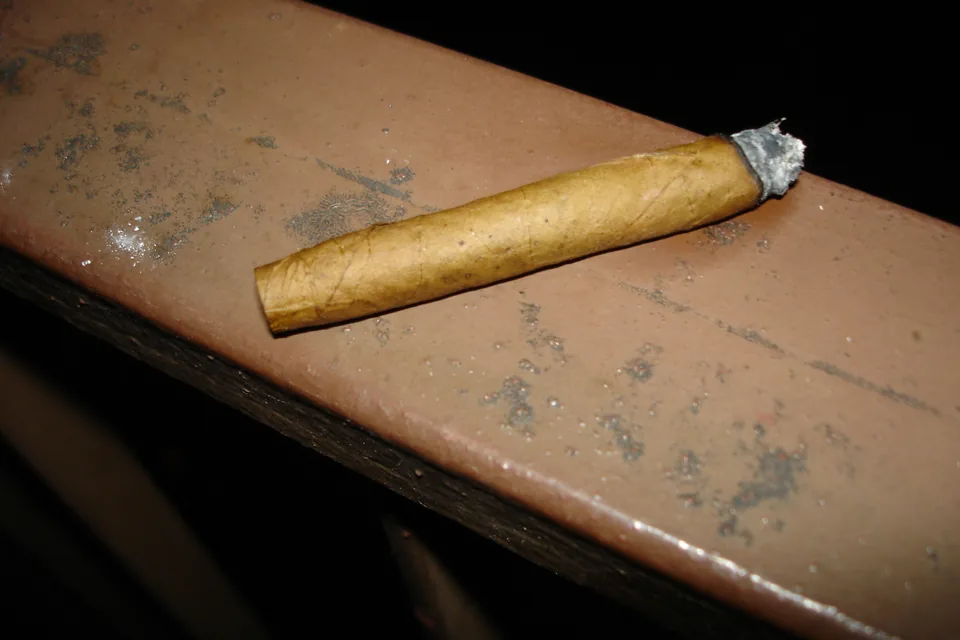
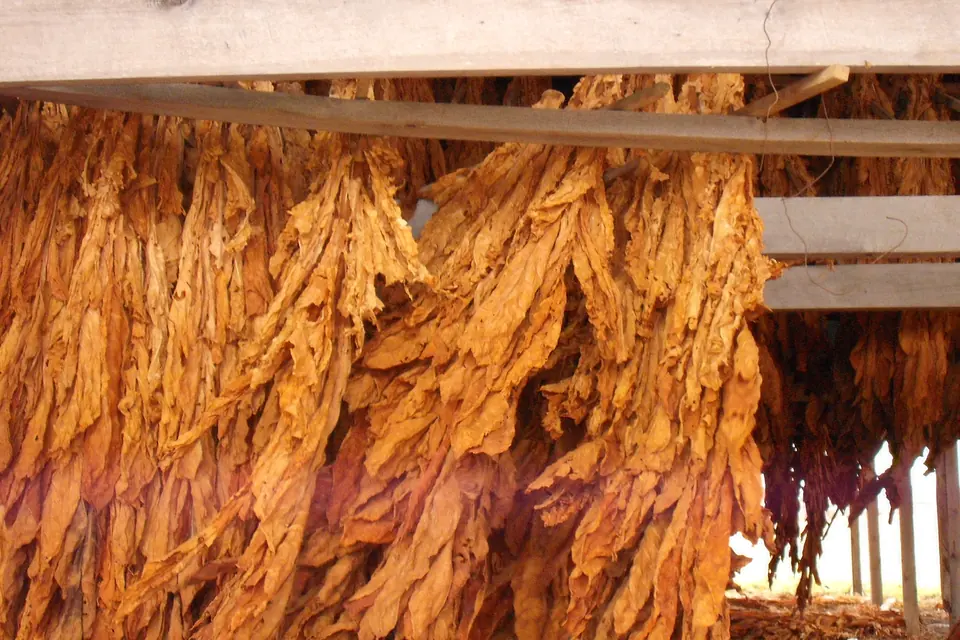
A cigarillo is a small cigar. The name comes from Spanish and simply means “little cigar”. Most are machine-made, with short, chopped filler. The wrapper may be natural tobacco leaf or a sheet of homogenised tobacco, which makers form from ground leaf.
Some makers roll cigarillos by hand, with long filler and a natural wrapper. However, these are a small minority. Most cigarillos sold around the world come from high-speed machines. Our guide to hand-rolled vs machine-made cigars explains the difference in production.
Cigarillos, little cigars and mini cigars
The names overlap, and makers do not always use them the same way. Still, a few broad categories are useful.
| Type | Typical size | Tobacco content | Common features |
|---|---|---|---|
| Little cigar | Cigarette-sized, about 3–4 in long, very slim | About 1 g | Often filtered, sold in packs of 20 |
| Mini cigarillo | About 3–4 in long, around 20–26 ring gauge | Around 1–3 g | Tins of 10 or 20, often dry |
| Cigarillo | About 3 1/2–5 in long, around 20–30 ring gauge | About 3 g | Sometimes tipped or flavoured |
| Small premium cigar | Petit corona or smaller, 40+ ring gauge | Several grams | Hand rolled, long filler |
The tobacco figures come from the US National Cancer Institute. It describes little cigars as the same size and shape as cigarettes, with about 1 gram of tobacco. Cigarillos are a little bigger and hold about 3 grams. Large cigars, by contrast, can contain between 5 and 20 grams.
Little cigars
Little cigars look very like cigarettes. They are usually brown, often have a filter and come in packs of 20. The key difference is the wrapper: tobacco leaf or a tobacco-based sheet instead of paper. Because of their size and filter, many people smoke them exactly like cigarettes.
Mini cigars
“Mini” usually means a slim, short cigarillo in a tin. Many European minis are dry cigars. That means makers design them for dry storage, without a humidor. Several Cuban and premium brands also produce machine-made minis and club-size cigarillos alongside their hand-made lines.
Flavoured and tipped cigarillos
Many cigarillos carry added flavour. Common flavours include vanilla, cherry, grape, coffee, rum, wine and menthol. Makers may add flavour to the filler, spray it on the wrapper or coat the tip with a sweetener. As a result, the tobacco taste can disappear almost completely behind the added flavour.
Tipped cigarillos have a plastic or wooden mouthpiece, and some little cigars have a cigarette-style filter. These make the smoke feel softer and the product easier to handle. However, that softness can also make inhaling easier, which increases the harm. Health bodies such as the US FDA regulate these products as cigars, despite their cigarette-like style.
Cigarillos vs cigars vs cigarettes
It helps to see the three side by side. The table below shows the typical differences.
| Cigarillo | Premium cigar | Cigarette | |
|---|---|---|---|
| Wrapper | Tobacco leaf or tobacco sheet | Natural tobacco leaf | Paper |
| Filler | Usually short filler | Usually long filler | Shredded tobacco |
| Made by | Mostly machine | Mostly hand | Machine |
| Smoking time | About 10–20 minutes | 30 minutes to 2 hours | About 5–7 minutes |
| Usual way to smoke | Traditionally not inhaled | Not inhaled | Inhaled |
| Storage | Often dry, in tin or pack | Needs stable humidity | Pack |
In short, a cigarillo sits between a cigarette and a cigar. It is cigar-like in its wrapper and tobacco, but cigarette-like in size, speed and often price. Our guide to cigars vs cigarettes compares the health side in more detail.
How to smoke a cigarillo
Smoking a cigarillo follows the same basic steps as a full cigar, just on a smaller scale. If you want to taste the tobacco, take it slowly.
- Check the end. Most cigarillos come pre-cut or with an open tip. If yours has a closed cap, snip a thin slice with a cutter.
- Light the foot evenly. Use a match or a soft flame. Rotate the cigarillo until the whole foot glows.
- Puff gently. Draw the smoke into your mouth, hold it briefly, then let it out. Avoid inhaling.
- Pace yourself. One puff every 30 seconds to a minute keeps the smoke cool. Puffing fast makes it hot and harsh.
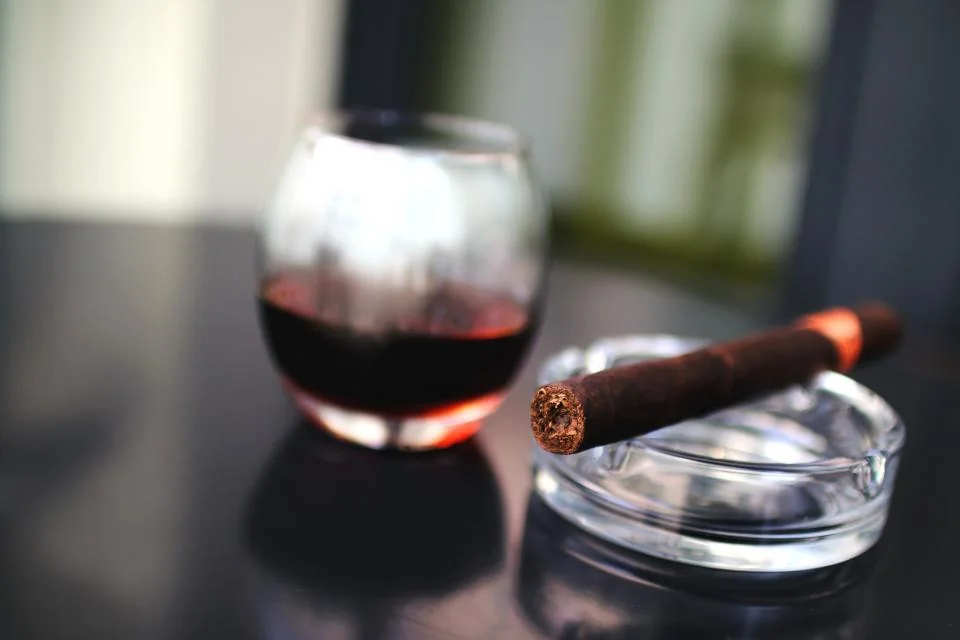
- Let it go out. When you are done, rest it in an ashtray and it will go out by itself. There is no need to stub it hard.
For more on technique, see our guides on how to light a cigar and how to smoke a cigar.
Common cigarillo brands around the world
Many international tobacco companies make cigarillos. Some names you may come across include Café Crème, Villiger and Agio from European makers. In the US, Swisher Sweets and Black & Mild are household names. Several Cuban brands, such as Cohiba and Montecristo, also offer machine-made minis and club-size cigarillos through Habanos S.A.
We list these names for information only, not as recommendations. Availability varies a lot by country and changes often. In Malaysia, every product on sale must have registration and meet local packaging rules, so the local range may differ from what you see abroad.
Cigarillos in Malaysia
In Malaysia, cigarillos are the most common form of “cigar” in everyday retail. Convenience stores and petrol stations mostly carry machine-made cigarillos and little cigars, many of them flavoured. Our guide to convenience-store cigars in Malaysia explains these products in more detail.
The rules that apply
Under the Control of Smoking Products for Public Health Act 2024 (Act 852), cigarillos fall under the same rules as other cigars. The key points are:
- Minimum age. The law bans sale to anyone under 18, and minors may not smoke.
- No online or vending sales. The 2024 Control of Sale Regulations ban both.
- Display ban. Smoking products may not be on open display, except at licensed specialist tobacco stores. The ban took effect at counters in KL, Penang and Selangor from 1 April 2025, as Malay Mail reported. That is why many shops keep cigarillos behind closed panels.
- Sealed packs only. Packs must carry the prescribed health warnings, and shops may not sell them loose or from an opened pack.
- Minimum price. The regulations set a minimum retail price of RM12 per packet.
- Where you smoke. The same smoke-free rules apply, including the 3-metre zone around tables at eating places.
Tax works the same way too. Under the Excise Duties Order 2025, cigars, cheroots and cigarillos share one tariff line, at RM440 per kilogram from 1 November 2025. Our guides to cigar laws in Malaysia and where to smoke cigars in Malaysia cover the details.
Not legal advice
This is a plain summary of published rules. Rules on specific products, including flavoured ones, can change. Check the Ministry of Health’s current guidance before relying on it.
Storing cigarillos in the heat
Dry cigarillos are fairly forgiving. Even so, Malaysia’s heat and humidity can affect them. Keep tins closed and out of direct sun, and never leave them in a parked car. If you have hand-made cigarillos, store them with your premium cigars at around 65–70 per cent humidity. Our guide on how to store cigars explains how.
Health: small does not mean safe
Cigarillos are small, but they are not a low-risk choice. The FDA states that cigars are not a safe alternative to cigarettes, and that cigar smoke is at least as toxic as cigarette smoke. Tipped and filtered styles also make inhaling easy, and many people do inhale them. Smoking several a day adds up quickly, too.
Flavours can make the smoke feel milder, but they do not reduce the harm. If you are thinking about quitting, the Ministry of Health runs the mQuit programme, which you can join through JomQuit. Our guide to cigar health risks sets out the evidence and where to find help.
Where to go next
If you are curious about stepping up from cigarillos to full cigars, our guide to cigars for beginners is the best place to start. To understand how makers produce the two, read hand-rolled vs machine-made cigars. And for the full range of styles, return to our guide to types of cigars.
Frequently asked questions
What is the difference between a cigarillo and a cigar?
A cigarillo is a small, thin cigar. Most are machine-made with short filler and take 10–20 minutes to smoke. A premium cigar is larger, usually hand rolled with long filler, and can last from 30 minutes to two hours.
What is the difference between a cigarillo and a cigarette?
A cigarillo has a wrapper of tobacco leaf or a tobacco-based sheet, while a cigarette uses paper. Cigarillos are usually larger and contain more tobacco. Little cigars, however, can look almost exactly like cigarettes, often with a filter.
Do you inhale cigarillos?
Traditionally, no. Like other cigars, you draw the smoke into your mouth and let it out. In practice, many people do inhale cigarillos, especially tipped or filtered ones, which brings greater health risks. Our guide on whether you inhale cigars explains more.
Do cigarillos need a humidor?
Makers intend most dry, machine-made cigarillos to stay in their tin or pack and do not need a humidor. Store them somewhere cool and away from sun. Hand-made cigarillos are different and are best kept humidified like premium cigars.
Are cigarillos legal in Malaysia?
Yes, for adults. They count as cigars under Act 852 and its regulations, so the same rules on age, packaging, display, sale and smoking areas apply. See our guide to cigar laws in Malaysia for details.
Sources
- National Cancer Institute — Cigar Smoking and Cancer
- U.S. FDA — Cigars, Cigarillos, Little Filtered Cigars
- Control of Smoking Products for Public Health Act 2024 (Act 852)
- Control of Smoking Products for Public Health (Control of Sale) Regulations 2024
- Royal Malaysian Customs — Excise Duties Order 2025, P.U.(A) 389/2025
- Malay Mail — Over 51,000 shops to enforce tobacco display ban from April 1 (2025)