Health
Are Cigars Bad for You?
The cancers, heart risks, nicotine and second-hand smoke behind cigar smoking, from WHO, NCI, FDA and Malaysia’s MOH.
Cigar Malaysia Guide is an independent editorial site about cigars for adults aged 18 and over. We do not sell tobacco.
No, take me to the Ministry of HealthSmoking causes cancer, heart disease and other serious illness.
Health
Clear, sourced facts on cigar health risks, and where to find quit-smoking support in Malaysia.
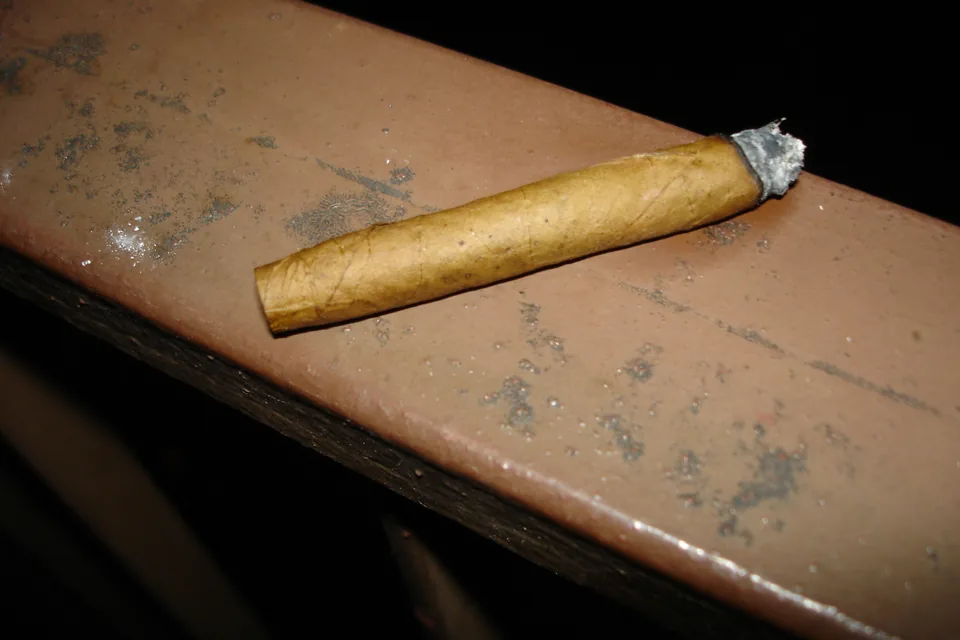
Photo: Tk420 / CC BY 4.0
Cigars and health is a topic where honesty matters more than comfort. Many smokers think cigars are a gentler habit than cigarettes, because the smoke is not usually inhaled. However, the evidence says otherwise. This section explains the risks plainly, using guidance from the World Health Organization, the US National Cancer Institute and Malaysia’s Ministry of Health. It also shows where to get free help if you want to cut down or quit.
In short, the message is simple. There is no safe level of tobacco use, as the US National Cancer Institute puts it. Cigar smoking causes cancers of the mouth, throat, larynx, oesophagus and lung. In addition, daily cigar smokers face a higher risk of heart disease and other lung disease.
Nicotine is also part of the picture. A large cigar can contain as much tobacco as a whole pack of cigarettes. Even if you never inhale, nicotine passes into the body through the lining of the mouth. That is why cigars can be addictive.
Second-hand smoke also harms other people. According to the World Health Organization, tobacco kills more than 7 million people a year, including over 1.6 million non-smokers exposed to other people’s smoke.
The Global Adult Tobacco Survey Malaysia 2023, run by the Ministry of Health’s Institute for Public Health, found that 19.0% of adults aged 15 and over smoked tobacco. In other words, that is about 4.8 million people. Among men, the figure was 35.7%.
The same survey found that 59.7% of current smokers planned to or were thinking about quitting. So if you are thinking about it, you are far from alone.
Malaysia’s Ministry of Health runs mQuit, a structured quit-smoking programme launched in 2015. It offers a personal quit plan, follow-up sessions with trained health staff and, where suitable, nicotine replacement therapy. The service is available at government health clinics and hospitals, and through registered private clinics and pharmacies, which may charge fees.
To get started, you can find providers and register through the MOH’s JomQuit website. The programme also includes quitline counselling by phone. Your doctor or pharmacist can also refer you.
Thinking about cutting down?
Quitting works best with support. Talk to a clinic, a pharmacist or the JomQuit team rather than going it alone. Because of this, medicines and counselling together raise your chances of success.
Cigar Malaysia Guide covers cigars as a cultural and craft subject. However, we never claim that cigars are safe or healthy. Health pages summarise published guidance from public health bodies and link to the original sources. That said, they are not medical advice. For questions about your own health, please speak to a doctor. You can read more in our editorial policy.
Health
The cancers, heart risks, nicotine and second-hand smoke behind cigar smoking, from WHO, NCI, FDA and Malaysia’s MOH.
Health
Tobacco, nicotine, smoke chemistry and Malaysian law compared, with an honest look at the health risks of each.