A cigar strength chart helps you pick a cigar that matches your experience, your mood and the time of day. Yet “strength” is one of the most confusing words in the cigar world. People use it for nicotine, for heavy smoke and for bold flavour, all at once. This guide separates the three ideas, then walks you through a five-level scale and what pushes a cigar from gentle to punchy.
Strength, body and flavour are not the same thing
Think of these as three separate dials. First, strength is the physical effect. It is mostly the nicotine you feel as a light head, a faster pulse or, if you overdo it, nausea.
Second, body is the weight of the smoke. A full-bodied cigar feels thick and creamy, like whole milk. A light-bodied one feels thin and airy, like skimmed milk.
Third, flavour intensity is how loud the flavours are. A cigar can taste vivid and spicy but still feel light. In fact, many mild Connecticut-wrapped cigars have plenty of flavour, just in a gentle register.
| Dial | What it means | How you notice it |
|---|---|---|
| Strength | Nicotine and physical effect | Head rush, warmth, pulse, nausea if too much |
| Body | Weight and texture of the smoke | Thin and airy vs thick and coating |
| Flavour intensity | Volume of the flavours | Subtle and quiet vs loud and peppery |
So when a friend says a cigar is “strong”, ask which dial they mean. Often they mean body or pepper, not nicotine.
The cigar strength chart: five levels
Most retailers, magazines and smokers use a five-step scale. It is a rough guide, not a lab measurement. Even so, it gives you a common language. The cigar strength chart below shows what each level usually involves.
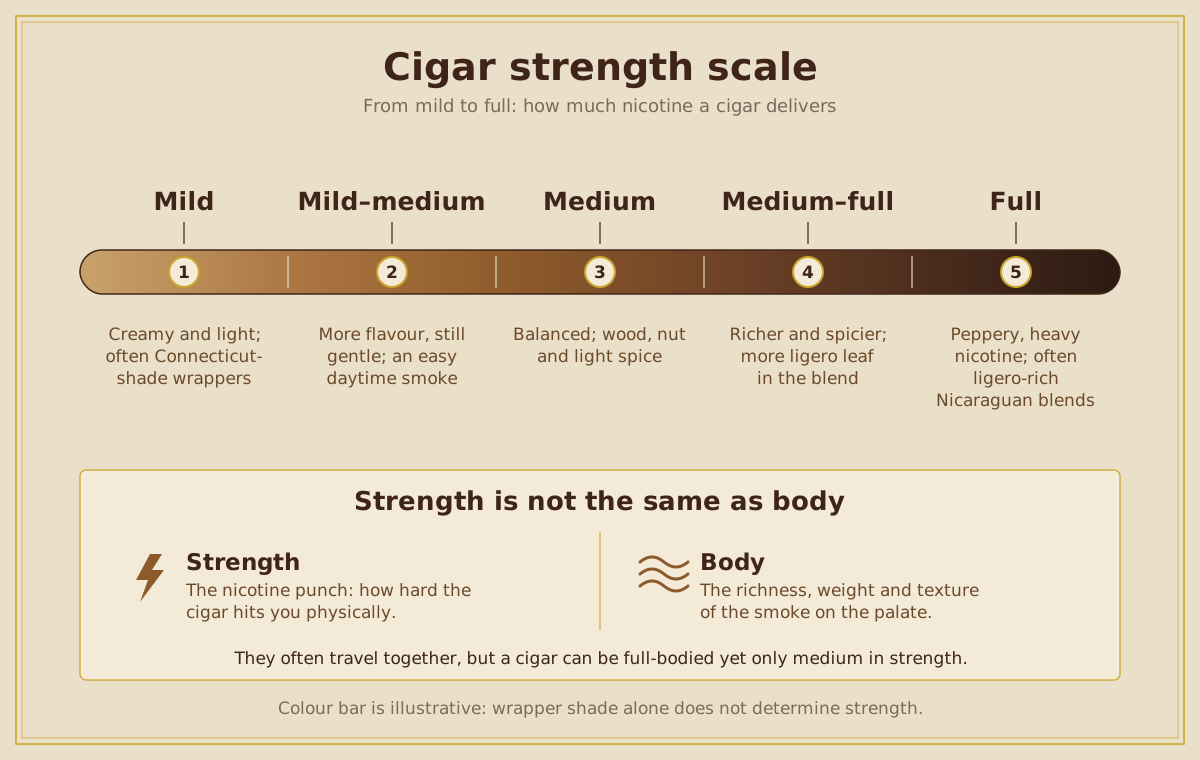
| Level | Typical wrapper | Typical filler traits | What it feels like | Example styles often placed here |
|---|---|---|---|---|
| Mild | Connecticut shade, light claro | Little or no ligero; Dominican or Connecticut leaf | Creamy, smooth, little nicotine | Macanudo Cafe, many Connecticut-wrapped Dominicans |
| Mild–medium | Connecticut, Ecuador Connecticut, light Cuban | Some viso, a touch of ligero | Gentle with more flavour | Davidoff Signature line, H. Upmann Half Corona |
| Medium | Colorado, Cameroon, Habano | Balanced seco, viso and ligero | Noticeable but steady | Montecristo No. 4, Arturo Fuente Hemingway |
| Medium–full | Habano, Corojo, Sumatra, Maduro | More ligero, often Nicaraguan | Rich, spicy, a clear buzz | Padrón 1964 Anniversary, Partagás Serie D No. 4 |
| Full | Dark Habano, Maduro, Oscuro, San Andrés | Heavy ligero, often all-Nicaraguan | Heavy, peppery, strong nicotine | Liga Privada No. 9, My Father Le Bijou 1922 |
Treat the examples as broad consensus placements, not rules. Smokers often disagree by a step either way. Also, a thin vitola of a blend can feel stronger than a fat one, because it burns hotter.
What makes a cigar strong?
Strength comes mostly from the tobacco itself. However, the way the leaf is grown, cured and blended changes the result. Here are the main factors.
Priming: where the leaf grows on the plant
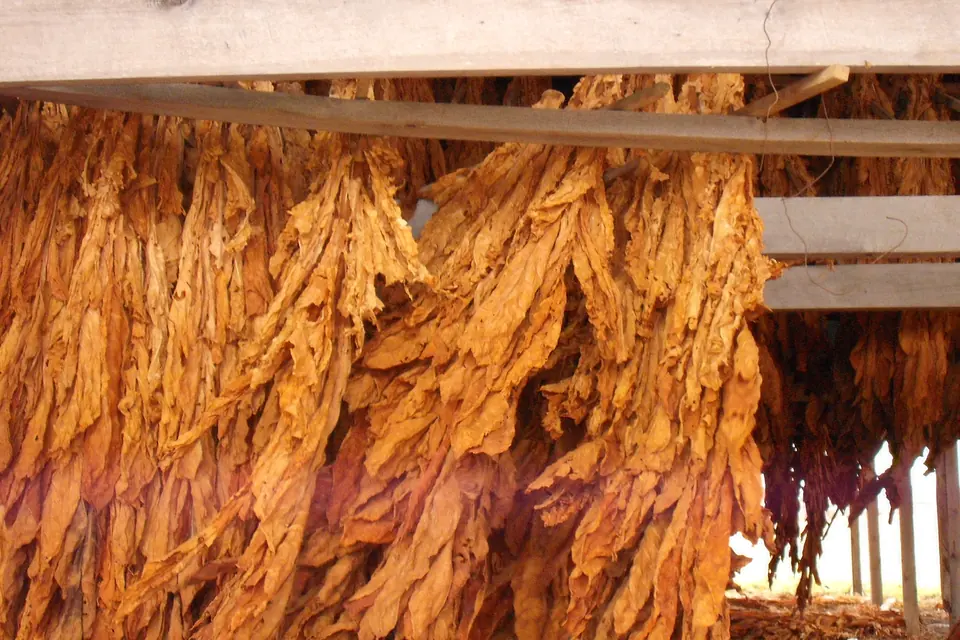
Tobacco leaves are picked in stages called primings, from the bottom of the plant to the top. The top leaves get the most sun. As a result, they grow thick, oily and rich in nicotine. Cuban growers call these leaves ligero.
Leaves from the middle, called seco and viso, are lighter. Seco brings aroma, while viso adds flavour and burns well. The bottom leaves, volado, are mild and help the cigar burn. In short, more ligero usually means more strength.
Origin and soil
Nicaraguan tobacco, especially from Estelí and Jalapa, is known for its pepper and power. Our guide to Nicaraguan cigars explains why its volcanic soil matters. By contrast, Dominican and Connecticut leaf is often gentler. Cuban tobacco covers the whole range, from mild Hoyo de Monterrey styles to strong Bolívar and Partagás blends.
Wrapper and ageing
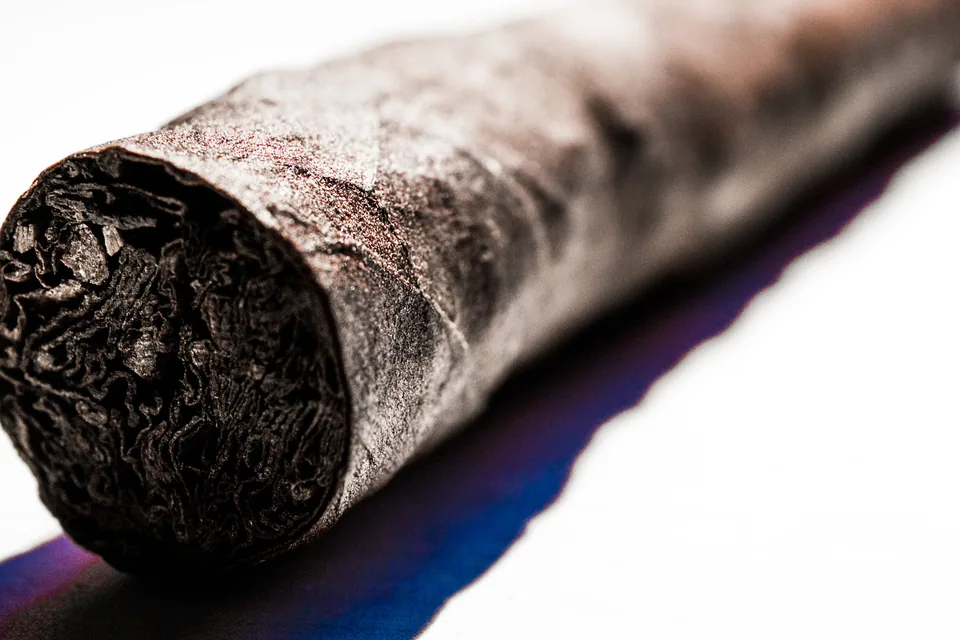
A dark wrapper does not guarantee strength. Still, darker wrappers have usually been left on the plant longer and fermented harder. They often taste richer and sweeter. Our cigar wrappers guide covers the shades in detail.
Ageing has the opposite effect. As a cigar rests for months or years, harsh edges soften. Many smokers find that a strong cigar feels rounder after a year or two in a humidor.
Size and how you smoke
Ring gauge and pace also matter. Thin cigars burn hotter and concentrate the filler. Puffing fast makes any cigar hotter and harsher. On the other hand, a slow pace of about one puff a minute keeps strength in check.
Nicotine sickness and what to do
Every cigar contains nicotine. According to the US National Cancer Institute, a single large cigar can hold as much nicotine as a pack of cigarettes. Even if you do not inhale, nicotine passes through the lining of your mouth.
Too much nicotine leads to what smokers call being “cigar sick”. Signs include dizziness, sweating, a pale face, nausea and a racing heart. It usually hits suddenly, often halfway through a strong cigar on an empty stomach.
- Stop smoking. Put the cigar down straight away. Finishing it will only make things worse.
- Drink water. Small sips help, especially if you are hot or have been drinking alcohol.
- Eat something sweet. Smokers commonly reach for sugar, a sweet drink or a piece of fruit. Many find it helps them feel better faster.
- Get cool air. Sit down somewhere shaded or air-conditioned and breathe slowly.
- Wait it out. The worst usually passes within an hour. If symptoms are severe or do not ease, seek medical help.
The simplest fix is prevention. Eat a proper meal first, smoke slowly and choose a milder cigar when you are tired.
Strength is not safety
A mild cigar is not a safe cigar. Every strength level exposes you to tobacco smoke and its cancer-causing chemicals. Read our guide to cigar health risks before you decide how often to smoke.
Strength in Malaysia: heat, alcohol and a strong cigar
Malaysia’s climate changes how strength feels. Outdoors, it is often above 30°C, with humidity of 70 to 90 per cent. On a terrace in that heat, you sweat more and dehydrate faster. As a result, a full-bodied Nicaraguan can hit much harder than it would on a cool evening in Europe.
Alcohol adds to the effect. Whisky and nicotine together can mask how much you have had, until you stand up. So, if you plan to drink, pick a milder cigar or a smaller size. Keep a glass of water beside you as well. Our guide to cigar pairings suggests drinks that match each strength.
Also, consider the room. Many venues under Act 852 limit smoking to outdoor or designated areas, so you may be smoking in the heat by default. Our guide to where to smoke cigars in Malaysia explains the rules.
How to use a cigar strength chart
Use the chart as a starting point, then trust your own palate. A sensible path looks like this:
- Start mild or mild–medium. Learn what a well-made cigar tastes like first.
- Move one step at a time. Try a few medium cigars before reaching for full ones.
- Change one thing at once. Compare two cigars of the same size but different strengths.
- Note how you feel. Keep a short log, as our guide on how to taste a cigar suggests.
If you are just starting out, our cigars for beginners guide pairs well with this one.
Frequently asked questions
What is the difference between cigar strength and body?
Strength is the physical effect, mainly from nicotine. Body is the weight and texture of the smoke on your palate. A cigar can be full-bodied yet only medium in strength, or the other way round.
What is a good strength for a first cigar?
Mild or mild–medium. A smaller cigar in that range, smoked slowly after a meal, is the gentlest introduction. Our cigars for beginners guide explains more.
Are maduro cigars always strong?
No. A dark maduro wrapper often tastes sweeter and richer, but strength depends mostly on the filler blend. Some maduros are only medium in strength.
What should I do if a cigar makes me feel sick?
Put the cigar down, drink water, eat something with sugar, and sit in a cool place. The feeling usually fades within an hour as the nicotine wears off. Seek medical help if symptoms are severe or do not ease.
Do strong cigars carry more health risk?
Every cigar carries serious health risks, whatever its strength. Stronger cigars deliver more nicotine, which is addictive. See our guide to cigar health risks.