Learning how to light a cigar properly sets up the whole smoke. A good light gives you an even burn, a cool draw and clean flavour from the first puff. A rushed one leaves a scorched taste and a crooked burn that fights you for an hour. The method is simple: toast first, then light gently, using a clean flame.
First, which end do you light?
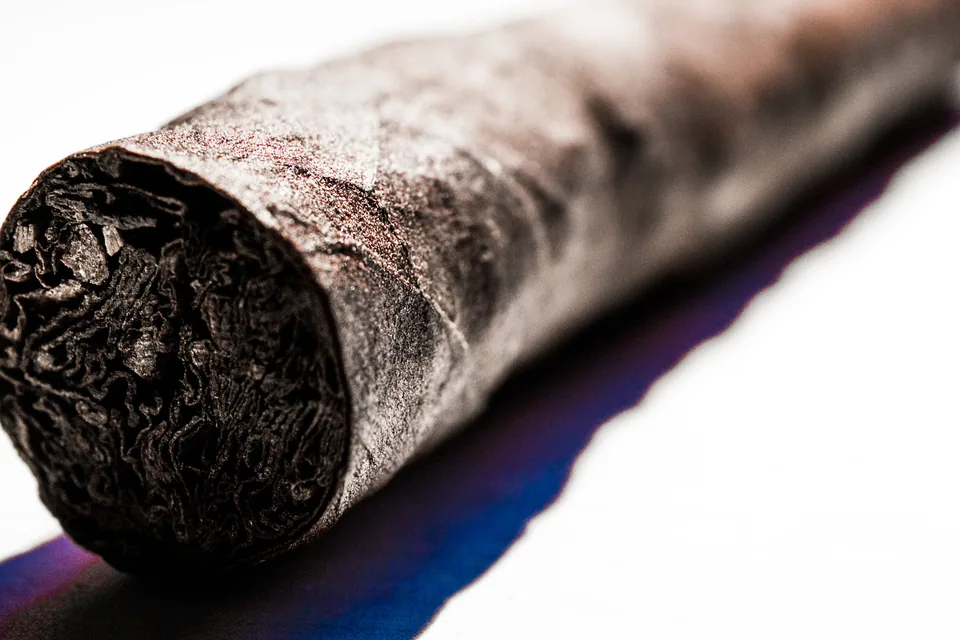
You light the foot, the open end where you can see the tobacco. The other end is the head, closed by a small round cap. You cut the head before lighting and put it in your mouth. If you have not cut it yet, start with our guide on how to cut a cigar.
Some cigars have a closed foot, finished with a twist of wrapper leaf, or a “shaggy” foot with untrimmed filler. You still light the foot. With a closed foot, the first puff or two will taste mostly of wrapper leaf before the filler catches.
Why you toast the foot first
Toasting means warming and charring the foot before you draw any smoke. It dries the very tip and gets the tobacco ready to burn. As a result, the cigar lights evenly instead of catching on one side first.
If you skip it and simply jam the foot into the flame while puffing, you pull hot gas and fuel fumes through the tobacco. That scorches it and can leave a bitter first third. Toasting takes a minute or less, so it is well worth the time.
How to light a cigar step by step
These steps work with any clean flame. With a torch, keep a little more distance, because the jet is very hot.
- Hold it at an angle. Hold the cigar at about 45 degrees, with the foot just above the tip of the flame, not inside it.
- Toast the foot. Rotate the cigar slowly until the whole rim and face of the foot turn evenly black.
- Draw while lighting. Put the head to your lips. Then draw gently while you keep rotating the cigar just above the flame.
- Check the glow. Look at the foot. Blow gently on it, and any unlit spots will show up as dark patches.
- Touch up gaps. Brush the flame over any unlit areas until the whole foot glows evenly.
After that, settle into a slow rhythm of about one puff a minute. Our guide on how to smoke a cigar covers pacing, ash and the thirds.
Torch vs soft flame vs matches vs cedar spill
Each flame has strengths and weaknesses. The best one is the one that suits where you are smoking.
| Flame | Pros | Cons | Best for |
|---|---|---|---|
| Butane torch (jet) | Hot, fast, wind-resistant | Easy to scorch the foot | Outdoors, breezy terraces, large ring gauges |
| Soft-flame butane lighter | Gentle, easy to control | Blows out in wind | Indoors, lounges, calm evenings |
| Long wooden matches | Traditional, clean once burning | Need several for a big cigar | Calm indoor settings |
| Cedar spill | Gentle flame, a light cedar aroma | Needs another flame to start | A slow, ceremonial light |
| Petrol lighter or candle | Easy to find | Fumes, soot and off-flavours | Avoid if you can |
Butane torches
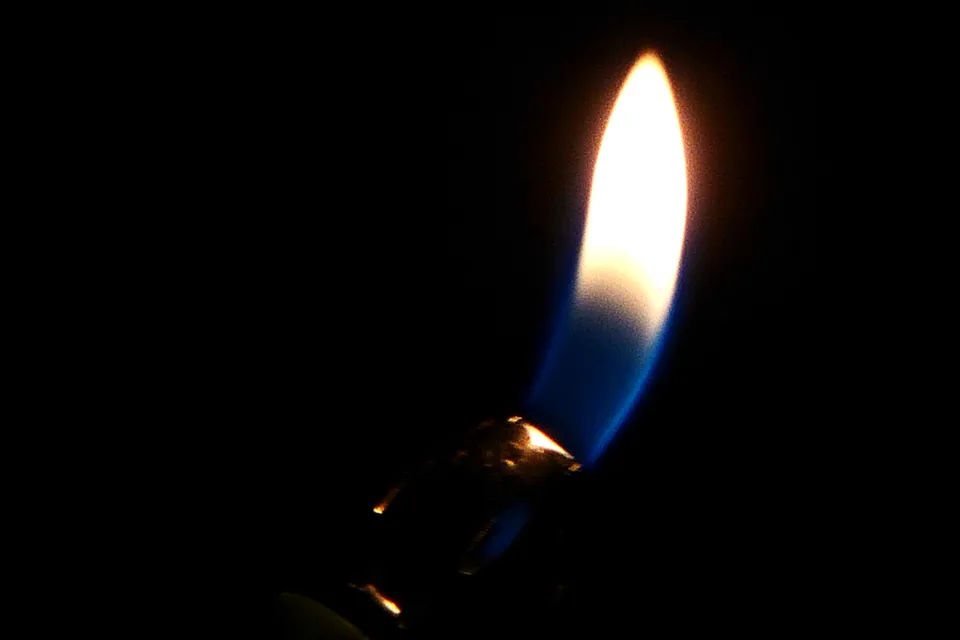
A torch lighter makes a narrow, hot, almost invisible jet. It shrugs off wind, which is why many smokers carry one. However, it is easy to over-toast. Keep the jet a few centimetres from the foot and move it constantly. Our guide to cigar lighters compares single, double and triple jets.
Soft-flame lighters and matches
A soft flame looks like a classic yellow lighter flame, but it burns clean butane. It is gentle and forgiving. With wooden matches, let the sulphur head burn off for a few seconds before you bring the flame near the cigar. Otherwise, you may taste it. Long cigar matches burn longer, so one or two usually do the job.
Cedar spills
A cedar spill is a thin strip of cedar wood. Many cigar boxes include cedar sheets that you can tear into strips. Light the spill with a match or lighter, then use its flame to toast and light the cigar. It is slower, but it adds a soft, woody note and a sense of ritual.
What to avoid
Avoid petrol or naphtha lighters, candles, gas stoves and kitchen lighters if you can. Petrol fumes and paraffin smoke carry their own smell, and the cigar soaks it up. That said, if a petrol lighter is all you have, let it burn for a moment and keep the foot well above the flame.
Fixing an uneven burn
Sometimes one side burns faster than the other. This is called running, or canoeing when one side races ahead like the hull of a boat. A small lag is normal and often corrects itself. A big one wastes tobacco and can turn harsh.
To fix it, touch the flame briefly to the slow side, right at the edge of the burn line. Alternatively, turn the cigar so the slow side faces down, since heat rises and helps it catch up. You can also puff a little less on that side by rotating the cigar between puffs. If the problem is tunnelling, where the centre burns but the edges do not, toast the outer ring until it catches.
Persistent burn problems usually point to storage. A cigar that is too damp burns unevenly, while one that is too dry burns fast and hot. Our guide to the best humidity for cigars explains the right range.
Relighting a cigar
Cigars go out, especially if you put them down for a while. Relighting is easy. First, tap off loose ash. Next, blow gently through the head to push out stale smoke, a step called purging. Then toast the foot again and light it as before.
A cigar relit within half an hour usually tastes fine. After a long break, however, it often tastes stale and tarry. If you want to save a half-smoked cigar, purge it well before relighting, and expect it to taste a little different.
How to put a cigar out
You do not need to do anything. Simply rest the cigar in an ashtray, and it will go out by itself within a few minutes. Do not stub it out like a cigarette. Crushing the ember releases a stale, heavy smell and leaves a mess.
Once it is cold, dispose of it outdoors or in a sealed bin, because a cold cigar butt smells strong indoors. Our guide to cigar etiquette covers this and other good manners.
Lighting outdoors in Malaysia
Most cigar smoking in Malaysia happens outdoors, on balconies, terraces or in permitted smoking areas. Wind is the first challenge. A single or double torch lighter handles breezy rooftop bars and seafront evenings far better than a soft flame. Cup your free hand around the flame, or turn your back to the breeze.
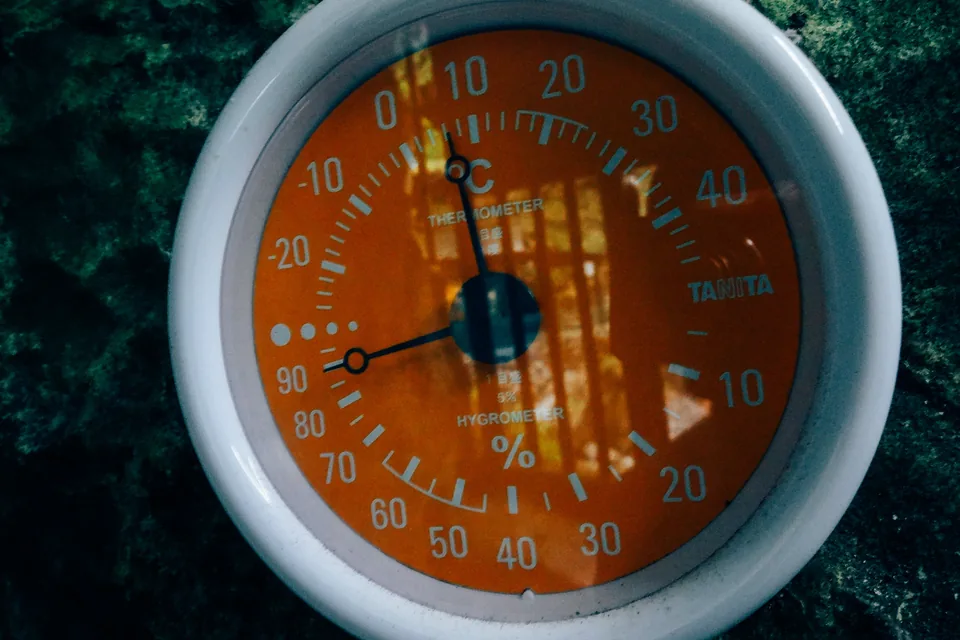
Humidity is the second challenge. Outdoor air here often sits between 70 and 90 per cent humidity. A cigar left out on a table for an hour before lighting can absorb moisture, which makes it slow to catch and prone to going out. So keep cigars in a sealed case until you are ready. Then take a little more time over the toast.
Malaysia tip
Lighters with butane are generally restricted in aircraft baggage, and rules vary by airline. Check before you fly, and see our guide to cigar cases and travel.
Finally, check where you are allowed to light up. Malaysia’s smoke-free rules cover many indoor and outdoor places, and our guide to where to smoke cigars explains them. Cigars are also never safe to smoke, however well you light them. Our guide to cigar health risks sets out the evidence, including findings from the US National Cancer Institute.
Frequently asked questions
Which end of a cigar do you light?
The foot, which is the open end where you can see the tobacco. The head, with the rounded cap, is the end you cut and put in your mouth.
Can you relight a cigar?
Yes. Knock off loose ash, blow gently through the head to purge stale smoke, then toast and light the foot again. It tastes best if relit within about half an hour.
How do you put out a cigar?
Rest it in an ashtray and leave it. A cigar goes out by itself within a few minutes. Do not stub it out, because crushing it releases a stale, heavy smell.
Can you light a cigar with a Zippo?
It is best not to with standard lighter fluid, because the petrol fumes can taint the taste. Some Zippo-style lighters accept a butane insert, which works well.
Why does my cigar keep going out?
Usually it is too humid, you are puffing too slowly, or it was not lit evenly. Try about one puff a minute and make sure the whole foot is glowing before you settle in.