Padron cigars come from one of the best-known family companies in the New World. The family spells its name Padrón, but most people search without the accent. The firm began in Miami in 1964, moved to Nicaragua in 1970, and still controls its tobacco from farm to box. This profile covers its history, factory, main lines, house style and place in Malaysia.
A Cuban exile in Miami
José Orlando Padrón grew up in Cuba, where his grandfather Dámaso had settled after leaving the Canary Islands. After the revolution, Padrón left for the United States. He started the company in Miami on 8 September 1964, with one aim. He wanted to make a cigar that tasted like the ones he had smoked at home.
At first, he worked with whatever leaf he could find. Then, in 1967, a business partner showed him Nicaraguan tobacco. According to Cigar Journal, he rolled a cigar on the spot and found the flavour he had been chasing. That moment shaped everything that followed.
From Estelí to the present day
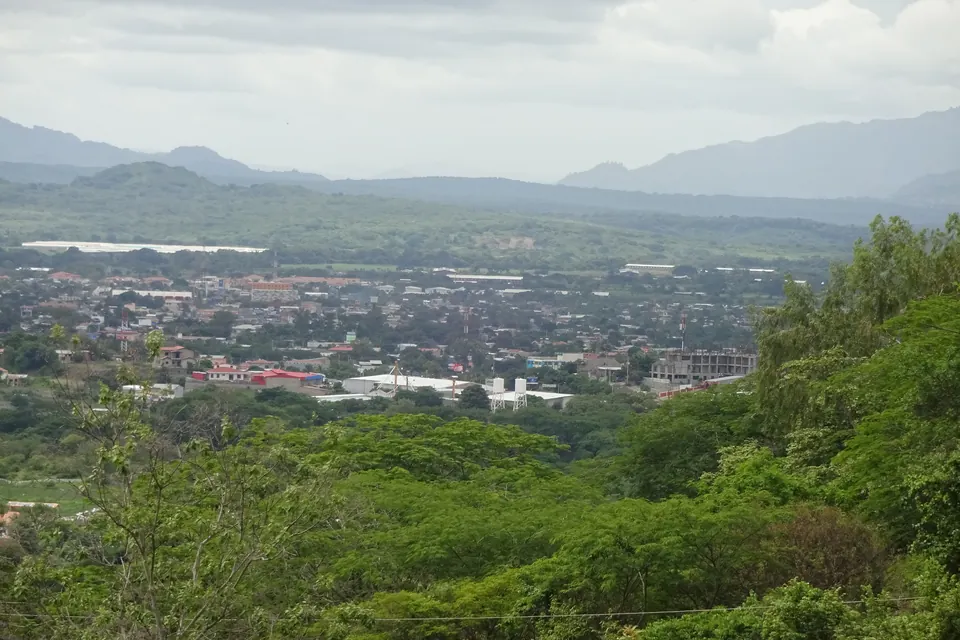
In 1970 Padrón moved production to Estelí, in northern Nicaragua. The town is now the heart of the country’s cigar trade, which our guide to Nicaraguan cigars explains in detail.
Politics soon got in the way. The US placed an embargo on Nicaraguan goods from 1985 to 1990, so Padrón opened a factory in Danlí, Honduras. For a while, all its cigars came from there. Even so, the company never used Honduran leaf, and it shut the Danlí factory in 2007.
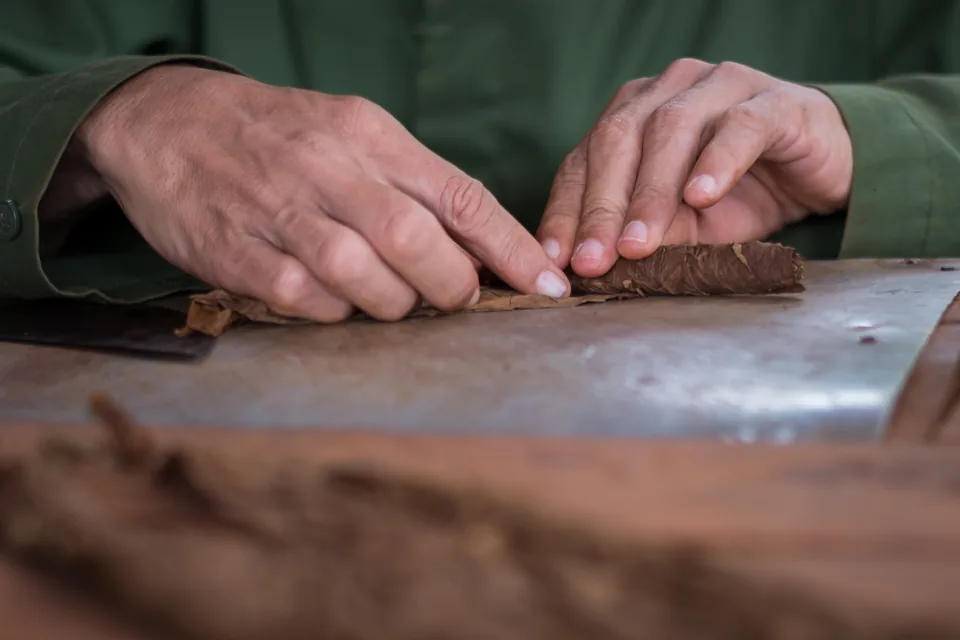
José Orlando Padrón died in December 2017, aged 91. Today his son Jorge leads the business as president, while other family members share key roles. The company grows, sorts and ages its own tobacco, then rolls and ships its own cigars.
Main lines of Padron cigars
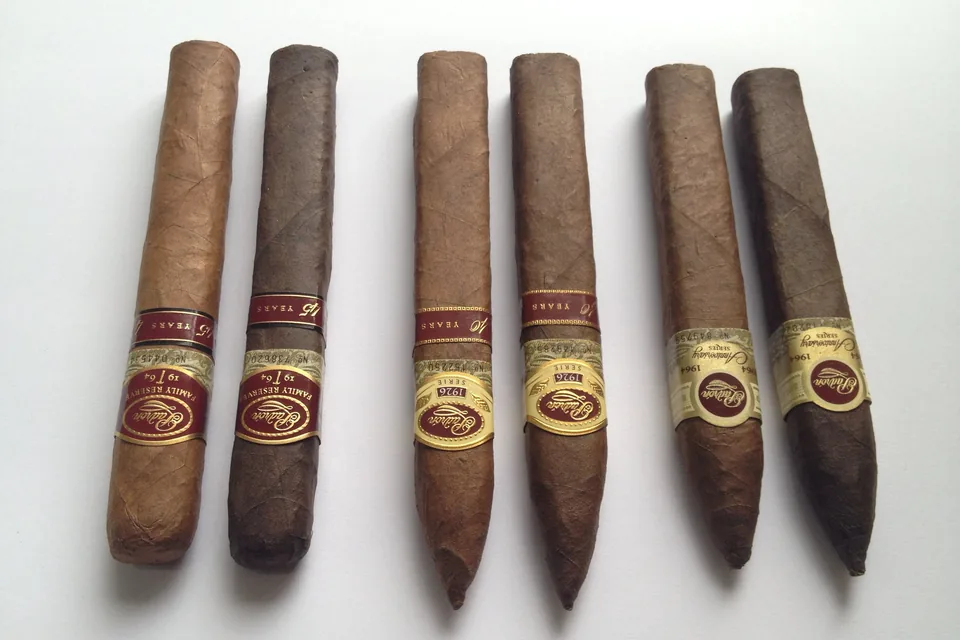
The range is small by modern standards, which suits a family firm. Here are the lines most smokers know.
| Line | Launched | Wrapper | Strength |
|---|---|---|---|
| Padrón Series (Thousand Series) | Core line | Nicaraguan, natural or maduro | Medium to full |
| 1964 Anniversary Series | 1994 | Nicaraguan, natural or maduro | Medium to full |
| Serie 1926 | 2002 | Nicaraguan, natural or maduro | Full |
| Family Reserve | 2009 | Nicaraguan, natural or maduro | Medium to full |
| Dámaso | Later addition | Connecticut-seed grown in Ecuador | Mild to medium |
The 1964 Anniversary Series marked thirty years of the company. It also helped bring box-pressed cigars back into fashion in the 1990s. For a closer look at one size, read our Padrón 1964 Anniversary Exclusivo review.
Serie 1926 honours the founder’s birth year. Meanwhile, the Family Reserve uses the oldest tobacco in the warehouse. By contrast, Dámaso stays round and uses a pale wrapper for a gentler smoke.
House style
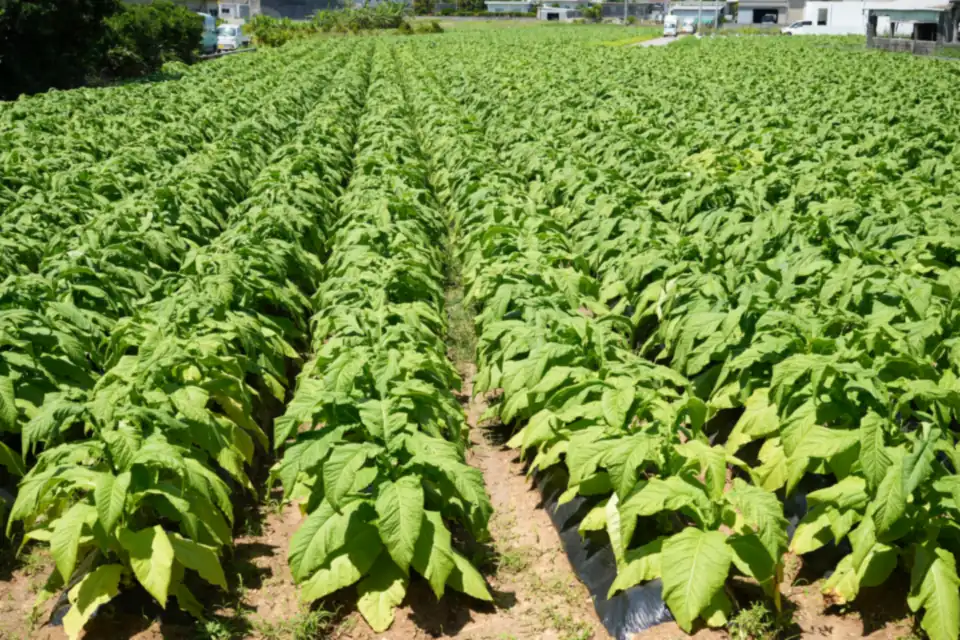
In general terms, Padrón tastes earthy, cocoa-rich and peppery. Most lines are Nicaraguan puros, meaning wrapper, binder and filler all come from Nicaragua. The leaf is sun-grown, Cuban-seed tobacco.
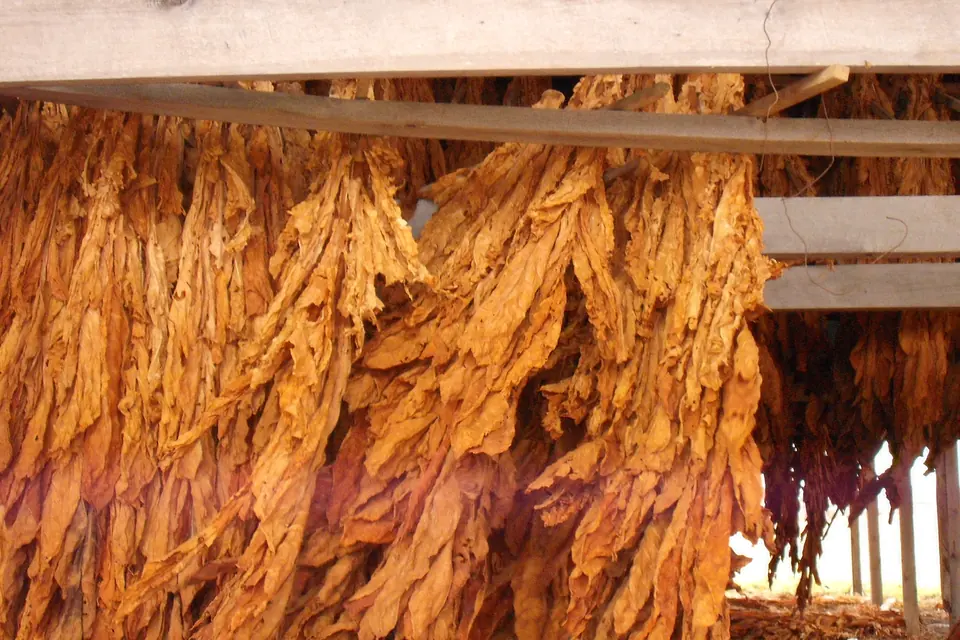
Padrón also ages its tobacco before rolling rather than ageing finished cigars. As a result, the cigars ship soon after banding. Many smokers still rest them for months or years, because the flavour tends to soften and deepen.
Strengths and criticisms
On the plus side, Padron cigars have a strong record for construction and consistency. The brand holds four Cigar of the Year titles from Cigar Aficionado, from the Serie 1926 in 2004 to the 1964 Anniversary Torpedo in 2022. Few houses can match that.
That said, critics raise fair points. The lineup changes slowly, so fans of novelty may find it static. Some smokers also feel the earthy profile is similar across lines. Finally, the premium lines sit at the top of the price scale, partly because supply is limited.
Padrón in Malaysia
Padrón has a small but real following among Malaysian smokers who look beyond Cuba. Local search interest is modest next to Cuban names such as Cohiba. Non-Cuban brands also tend to appear less often in local humidors than Habanos, so supply can be patchy.
If you bring cigars home from abroad, check our guide to bringing cigars into Malaysia first. In addition, full-bodied cigars like these still carry real risks, so read our page on cigar health risks. Malaysia’s heat and humidity can also ruin a box quickly, which our guide on how to store cigars covers.
Where to read more
- Nicaraguan cigars: Estelí, Jalapa and Condega explained
- Oliva and My Father: two more Estelí family houses
- Cigar brands: every profile in our directory
Frequently asked questions
Where are Padrón cigars made?
All Padrón cigars are rolled in Estelí, Nicaragua. The company ran a second factory in Danlí, Honduras, from the mid-1980s, but it closed that factory in 2007.
Is it Padrón or Padron?
The family name is Padrón, with an accent on the o. Many people type Padron cigars without it, and both forms refer to the same brand.
Are Padrón cigars strong?
Most sit in the medium to full range. The core Padrón Series and the box-pressed lines are earthy and full of flavour, while the Dámaso line, with a Connecticut-seed wrapper, is lighter. See our cigar strength guide for the scale.
What does the 1926 in Serie 1926 mean?
It is the year José Orlando Padrón was born. The family created the line in 2002 to mark his 75th birthday.