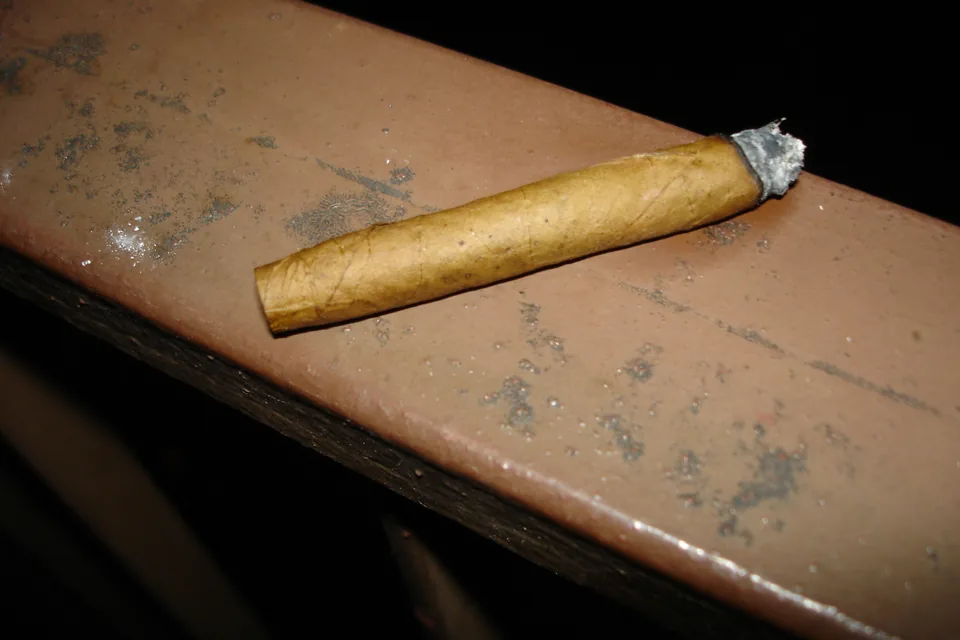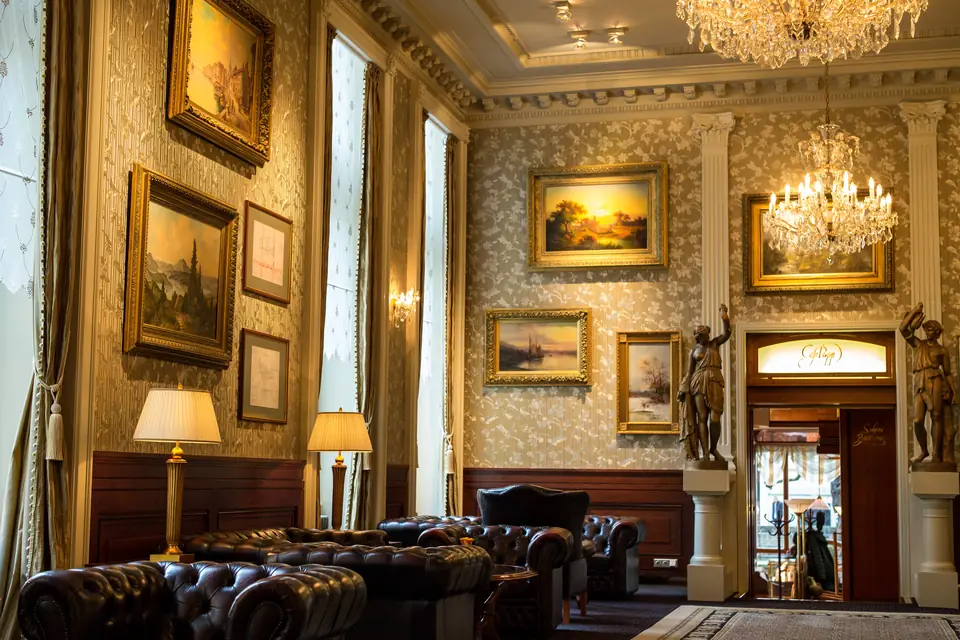
Cigar culture Malaysia style is quiet, private and surprisingly old. You will not see cigar adverts, and few people smoke them. Yet behind hotel doors and in members’ rooms, a small community has gathered for more than three decades. Its roots go back further still, to tobacco estates in 1880s Borneo. This article traces that story and explains how the law now shapes it.
Cerut, cerutu and curut: the words
Start with the language. The standard Malay word is cerut. The national dictionary, Kamus Dewan, defines it as a roll of dried tobacco leaf, and the verb mencerut means to smoke a cigar, according to DBP. Cerutu and serutu are accepted synonyms.
Penang adds its own word. Curut is not in the standard dictionary, but it appears in DBP’s Penang dialect glossary. Today, though, most Malaysians who smoke cigars simply say “cigar”, often mixed into Malay, Mandarin or Cantonese conversation.
Colonial roots: North Borneo and Deli next door
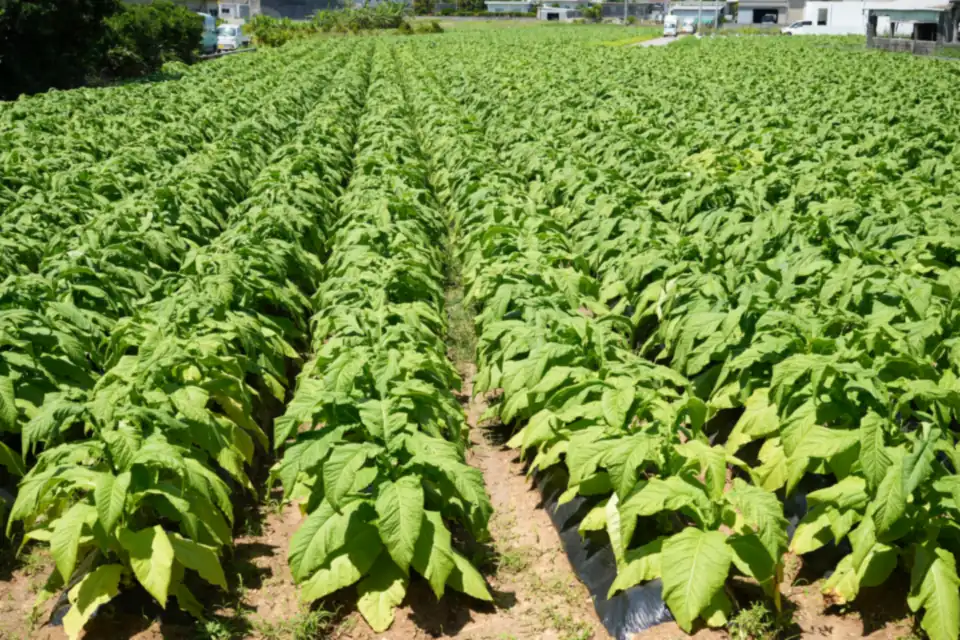
Malaysia’s real cigar history lies in Borneo. In 1884, North Borneo, now Sabah, sent its first tobacco to London and Amsterdam. Buyers judged it comparable to the prized Sumatran wrapper, the fine outer leaf of a cigar.
A boom followed. By 1891, tobacco was about half of the territory’s exports, according to the Daily Express. Dutch and German managers ran many estates. However, the 1890 McKinley Tariff in the United States hit the trade hard, and the industry faded. Even so, Imperial Tobacco took over lands on the Segama River in 1934 and only closed them in 1960.
The model came from next door. In 1863 the Dutch planter Jacobus Nienhuys opened the first Deli concession near Medan in Sumatra. Deli leaf soon became famous as wrapper, and North Borneo’s planters hoped to repeat that success. Our guide to Kota Kinabalu and Kuching covers the Borneo story in more depth.
On the Peninsula, by contrast, we found no reliable record of a cigar-leaf industry. So the colonial cigar in Malaya was mostly an imported habit of clubs and planters, not a local craft.
The rise of the modern scene
The modern cigar culture Malaysia knows today began in hotels. The Havana Club at the Concorde Hotel in KL opened in 1990, and Tatler later called it the city’s oldest cigar divan. Then, in 1998, the late Dato’ Kadar Shah founded La Casa del Habano Kuala Lumpur. It was a franchise of the official Habanos store concept, and it marked its 20th year with a dinner at the Mandarin Oriental in 2018, as Habanos reported.
Since then, the scene has grown in steps. Cuban cigars come in through the Pacific Cigar Company, the regional Habanos distributor. In 2019 Habanos announced Cohiba Atmosphere, a three-storey lounge in Kota Damansara. In 2025, La Casa del Habano moved into a new basement lounge at the Mandarin Oriental. Meanwhile, non-Cuban makers also arrived. Nestor Miranda entered in 2020, Fratello found a distributor in 2023, and Davidoff held an event in KL that year. For a map of today’s venues, see our guide to the cigar lounge KL scene.
Harimau Malaya and other milestones
The proudest moment for local smokers came on 8 April 2021. That day, the Pacific Cigar Company launched the San Cristóbal de La Habana Harimau Malaya at Cohiba Atmosphere. It was Malaysia’s first Habanos regional edition, a cigar made in Cuba for one market.
The name means “Malayan tiger”, the national symbol. The cigar measures 130 mm with a 55 ring gauge, and halfwheel reported a run of 8,888 boxes of 10. That number is no accident in a country where eight is widely seen as lucky in Chinese culture.
Cuban diplomats have also attended local Habanos events several times since 2018. Similarly, Malaysia has joined the Cigar Smoking World Championship, a slow-smoking contest, since 2019. In 2025 it held two qualifiers for the first time, at Marini’s on 57 in KL and at the Hilton Kota Kinabalu, according to Cigar Journal.
Clubs and community
Malaysia’s cigar community is small and closely linked. The best-documented group is The Cigar Club, a non-commercial club founded in KL in 2010. Its signature event was called The Exchange, and in 2018 it held an evening at the Cuban Embassy. We could not confirm whether it is still active.
Otherwise, the community lives in lounges. Several run membership schemes, private rooms and lockers for regulars. In practice, that means friendships form around a lounge rather than a society. Newcomers usually learn by asking staff and regulars, which suits a pastime that is now almost impossible to advertise.
Etiquette, religion and Ramadan
Malaysia is a Muslim-majority country, and most Malaysians do not smoke. In 2023 the national tobacco survey found that 19% of adults smoked tobacco, and only 1.5% of women. So a cigar draws attention, and discretion is part of the culture.
A few local habits stand out:
- Ramadan. Muslims fast from dawn to sunset, so avoid smoking where people who are fasting can see you. Some smokers simply wait until after buka puasa, the breaking of the fast.
- Religious places. Mosques, temples and churches are non-smoking areas under the law, including their grounds.
- Mixed company. Ask before lighting up at a private home, and never smoke near children.
- Pairings. Whisky and cognac are common lounge pairings. Kopi and teh tarik are popular too, though you cannot smoke at a kopitiam table.
Our guide to cigar etiquette covers the universal basics, such as cutting, ash and bands.
How Act 852 changed cigar culture in Malaysia
Today, nothing shapes cigar culture Malaysia has more than the law. Act 852, in force since 1 October 2024, bans tobacco advertising, including any brand name in an ad. Section 9 bans promotion and sponsorship. It also covers arrangements such as organising events, workshops and roadshows. Selling tobacco online is banned too, under the Control of Sale Regulations.
Some of this was not new. A KL industry figure told Cigar Journal that online sales had been banned since 2015. He added that in 2021 the health ministry told cigar companies that online sales and promotion were illegal. Since then, enforcement has grown. In one reported case, a court fined a social media influencer RM10,000 for promoting smoking products on a podcast.
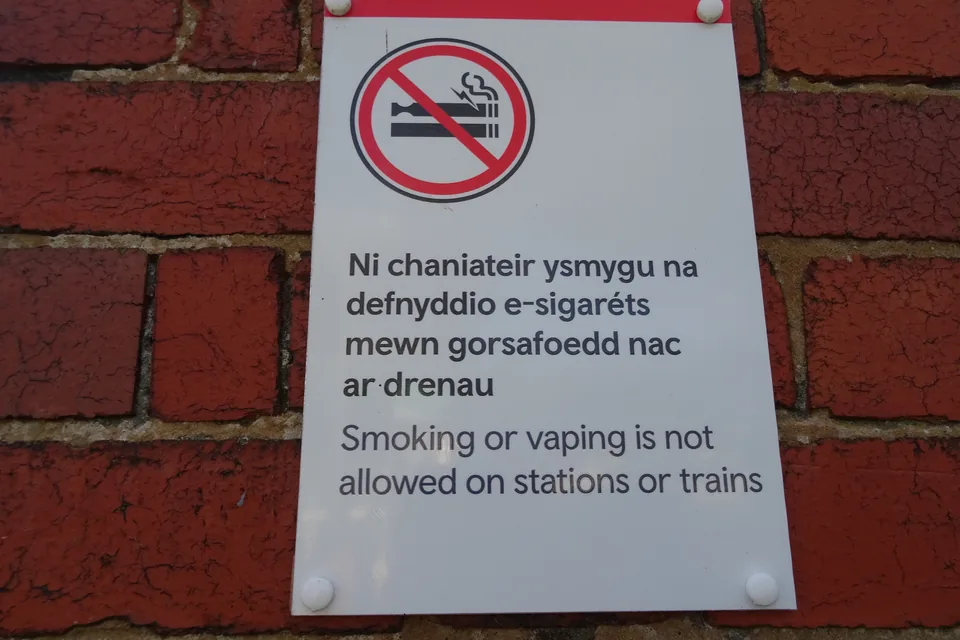
The smoking rules matter as much. Eating places, air-conditioned shops and workplaces are non-smoking areas, and the law has no special category for cigar lounges. As a result, the culture has turned inward, towards private rooms, members’ venues and word of mouth. Our guide to Malaysia’s cigar laws and our page on where to smoke cigars explain the rules in detail.
Where the culture goes next
The next chapter of cigar culture Malaysia writes is likely to be a quiet one. The scene is unlikely to grow loud again. Instead, it is becoming more private, with venues focusing on members and on careful storage in the tropical heat. The Borneo story may also return, since Sabah voices have floated the idea of niche “Borneo cigars”.
Whatever comes next, honesty about health belongs in any cigar conversation. Cigars cause cancers of the mouth, throat and lungs, even without inhaling. Read our page on cigar health risks, and see our history of cigars in Southeast Asia for the regional backstory.
Frequently asked questions
What is the Malay word for cigar?
Cerut. Kamus Dewan defines it as a roll of dried tobacco leaf, and the verb mencerut means to smoke a cigar. Cerutu and serutu are synonyms. In Penang dialect you may also hear curut.
Are Cuban cigars legal in Malaysia?
Yes. Malaysia has no embargo on Cuban goods, and Habanos are imported officially by the Pacific Cigar Company. Like all tobacco products, they must be registered and labelled under Act 852.
What is the Harimau Malaya cigar?
The San Cristóbal de La Habana Harimau Malaya was Malaysia’s first Habanos regional edition, launched on 8 April 2021. It measures 130 mm with a 55 ring gauge and was released in 8,888 boxes of 10.
Is there a cigar club in KL?
The Cigar Club, a non-commercial group founded in KL in 2010, held events such as The Exchange and a 2018 evening at the Cuban Embassy. We could not confirm its current activity. Many lounges run their own membership schemes.
Can you smoke cigars during Ramadan in Malaysia?
The law does not change during Ramadan, but courtesy does. Muslims fast from dawn to sunset, and smoking breaks the fast, so avoid smoking anywhere people who are fasting can see you during the day.
Sources
- D.W. John & J.C. Jackson – The Tobacco Industry of North Borneo, Journal of Southeast Asian Studies 4(1), 1973
- Daily Express (Sabah) – When tobacco was important for Sabah (2025)
- Habanos S.A. – La Casa del Habano in Malaysia celebrates its 20th anniversary (2018)
- halfwheel – San Cristóbal de La Habana Harimau Malaya is first Edición Regional for Malaysia
- Cigar Journal – Surprising win at CSWC Malaysia (2025)
- Act 852 – Control of Smoking Products for Public Health Act 2024
- Cigar Journal – Malaysia enforces online sales and promotion bans (2021)
- DBP Pusat Rujukan Persuratan Melayu – cerut