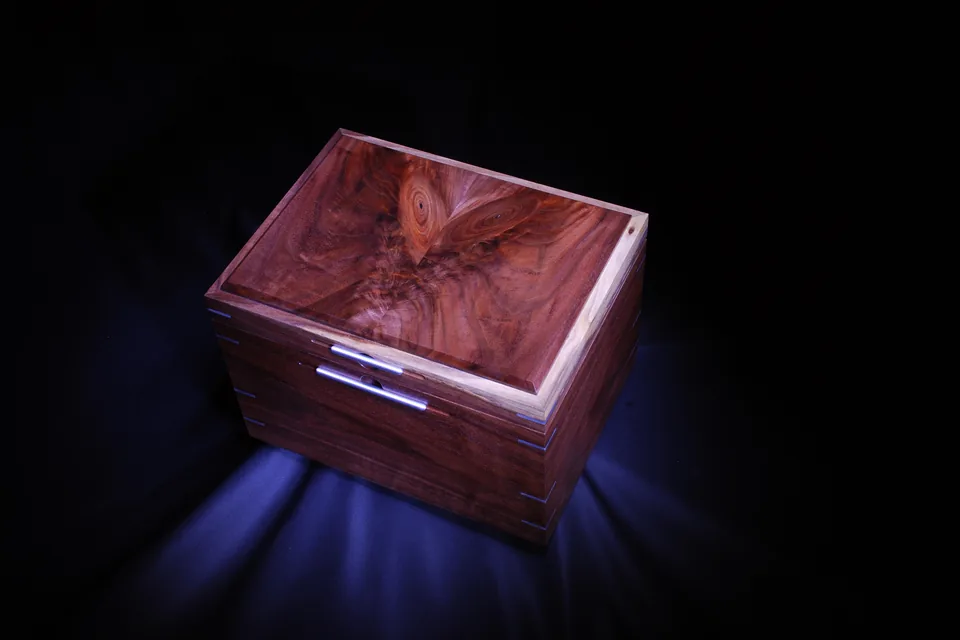
Seasoning a humidor means slowly raising the moisture in its wooden lining before any cigars go in. Skip it, and the dry cedar will pull water straight out of your cigars. The job takes a few days to two weeks, a bottle of distilled water and some patience. In Malaysia, the humid air can help, but it also makes over-wetting easier, so a light touch matters.
Why seasoning a humidor matters
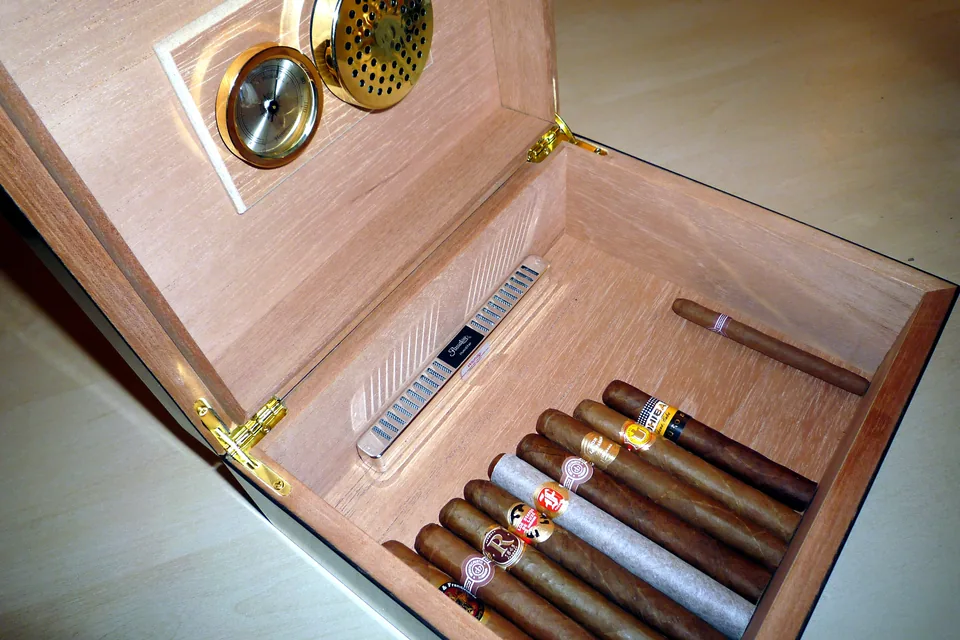
A new wooden humidor arrives bone dry. Its Spanish cedar lining is built to absorb moisture and release it later. That buffering is exactly what keeps your cigars steady. However, a dry lining works in reverse at first. It drinks moisture from anything inside, including your cigars.
So if you load cigars into an unseasoned box, the hygrometer may read fine for an hour. Then the wood soaks up the moisture, the reading drops, and the cigars start to dry. Wrappers crack, oils fade, and the flavour turns flat.
Proper seasoning fills the wood’s pores first. After that, the cedar holds a reserve of moisture and only gives or takes small amounts. The result is a calmer, more stable humidor.
What you need
You need very little, and most of it is easy to find.
- Distilled water. Check the label says distilled. Never use tap, mineral or filtered water.
- A clean cloth or new sponge. Lint-free and unused, with no soap or cleaning residue.
- A small saucer or bowl. Shallow enough to sit inside without touching the lid.
- A calibrated hygrometer. Our cigar hygrometer guide shows how to test one with salt.
- Optional seasoning packs. Two-way humidity packs at 84% RH, made for seasoning wood.
Method 1: distilled-water wipe and bowl
This is the traditional method. It is quick and costs almost nothing, but it needs a careful hand.
- Empty and inspect the humidor. Remove packaging, trays and the humidifier. Check that the interior is bare, unvarnished wood.
- Calibrate your hygrometer. A gauge that reads 5 points high will fool you into stopping early.
- Wipe the cedar lightly. Dampen the cloth with distilled water, then wring it out hard. Wipe every wooden surface once, including the lid and dividers. The wood should darken slightly but never look wet.
- Add a bowl of distilled water. Place a saucer of distilled water inside, and fill the humidifier as its maker directs. Then close the lid.
- Wait and check daily. Read the hygrometer once a day. Open the lid briefly and top up the bowl if needed.
- Remove the bowl and stabilise. When the reading holds near 70–75% for a day or two, take the bowl out. Leave the humidor to settle with only its humidifier.
- Add cigars gradually. Once the reading stays in the 65–70% range, add your cigars. In a big cabinet, add them over a few days.
Some guides tell you to wipe the wood several times. In Malaysia, one light wipe is usually enough, because the air already carries a lot of moisture.
Method 2: two-way seasoning packs
Two-way humidity packs offer a gentler, hands-off route. These packs hold a saturated salt solution behind a membrane. They release water vapour at a fixed level, so the wood never gets wet.
Boveda’s own instructions suit this method well. Use one 60-gram 84% pack for every 25 cigars of the humidor’s listed capacity. For instance, a 100-cigar box takes four packs. Place them in the empty humidor, close the lid, and do not open it for 14 days, whatever the hygrometer says.
After 14 days, discard the seasoning packs, since they are single-use. Then add your regular humidity source, such as a 69% or 72% pack, and move in your cigars. Our guide to Boveda packs explains the different humidity levels.
Why wait 14 days?
According to Boveda, most of the vapour leaves the packs in the first week. The wood then needs the second week to absorb that moisture deep into its structure.
How long seasoning a humidor takes
Timing depends on the method, the size of the box and your room. Here is a realistic guide.
| Method | Small desktop box | Large cabinet | Notes |
|---|---|---|---|
| Wipe and bowl | 3–7 days | 1–3 weeks | Faster in humid rooms |
| 84% seasoning packs | 14 days | 14 days or more | Keep the lid shut throughout |
| Humidifier only | 2–4 weeks | Several weeks | Slow; cigars may still lose moisture |
Don’t rush it. A reading that spikes on day one often falls again as the wood keeps absorbing. A steady number for two or three days in a row is the sign you want.
Checking the result
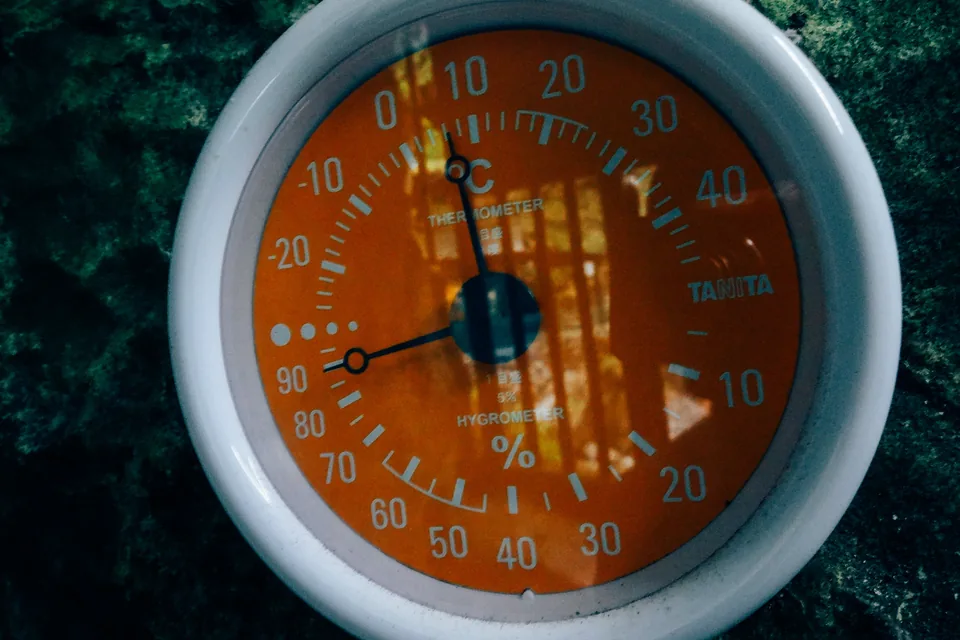
Your hygrometer is the only judge, so trust it only after you calibrate it. Place it in the middle of the humidor, away from the bowl or packs, because readings near the water source run high.
Watch the trend rather than one number. A well-seasoned humidor recovers quickly after you open the lid. If the reading drops a few points and climbs back within an hour, the wood holds moisture well. On the other hand, if it keeps sliding for days, the cedar still needs more time.
You can also touch the wood. Seasoned cedar feels faintly cool and slightly soft, rather than dry and dusty. Even so, the hygrometer is the more reliable guide.
Seasoning in Malaysia: faster, but riskier
Malaysian homes give seasoning a head start. Outdoor air often sits at 70–90% RH, so a humidor kept in a room without air-con absorbs moisture quickly. Meanwhile, an air-conditioned bedroom may sit nearer 45–60% RH, which slows seasoning and dries the box between checks.
That speed has a downside. Warm, damp wood is exactly where mould likes to grow. Too much water can also swell the lid, so it no longer closes, or lift the veneer on the outside. Here are a few local habits that help.
- Season in a cool room. Aim for a room that stays below about 24 °C, if you can.
- Use less water, not more. One light wipe, then let the air do the rest.
- Keep the humidor closed. Frequent peeking lets dry air-con air in and slows things down.
- Watch for fuzz. Any white or green fuzz on the wood means you went too wet. See our guide to cigar mould, plume and beetles.
Malaysia tip
If your humidor will live in an air-conditioned room, season it there too. That way, the wood settles in the conditions it will actually face.
Common mistakes to avoid
Most seasoning problems come from impatience or too much water. These are the ones to watch.
- Soaking the wood. Pouring water in or using a dripping sponge can warp the lid and crack the finish.
- Using tap water. Minerals stay in the wood, and microbes can grow.
- Wetting the hygrometer. Keep the gauge and any electronics dry.
- Adding cigars too soon. Wait for a steady reading over several days.
- Mixing humidity levels. If you use packs, don’t mix 84% seasoning packs with regular ones during seasoning.
- Ignoring the seal. If the lid leaks, no amount of seasoning will help. Check it first.
When to re-season
Re-seasoning is the same job, done more briefly. You should consider it after any of these events.
- The humidor has stood empty and dry for several weeks.
- You have cleaned it after a mould problem.
- It no longer holds humidity, even with a fresh humidifier.
- You moved it from a humid room into a dry, air-conditioned one.
Usually, a single light wipe and a few days with a bowl or fresh packs is enough.
Next steps
Once your humidor holds a steady reading, you are ready to stock it. Our cigar humidor guide covers daily care and placement in a Malaysian home. For the wider picture, our pillar guide on how to store cigars explains storage for the tropics from start to finish.
Frequently asked questions
How long does seasoning a humidor take?
With the distilled-water wipe and bowl method, most humidors settle in three days to a week. With 84% two-way seasoning packs, Boveda advises leaving the lid closed for 14 days. Large cabinets can take longer.
Can I season a humidor with tap water?
No. Tap water leaves minerals in the wood and can carry microbes that encourage mould. Always use distilled water.
Do I need to season a tupperdor?
Not if it is plastic with no wood inside. If you add a cedar sheet or cedar trays, lightly wipe them with distilled water or let them sit with a humidity pack for a few days first. See our tupperdor guide.
Can you over-season a humidor?
Yes. Soaking the wood or leaving standing water inside can warp the lid, lift the veneer and invite mould. Light, gradual moisture works better than a fast drench.
When should I re-season a humidor?
Re-season after the humidor has stood empty and dry for weeks, after deep cleaning, after a mould problem, or if it struggles to hold humidity. A short version of the same method usually works.