Oliva cigars come from a family that grew tobacco long before it made cigars. The Olivas farmed leaf in Cuba from 1886, then rebuilt in Nicaragua after the revolution. Today the brand is one of the biggest names in Estelí, and since 2016 it has belonged to a Belgian cigar group. This profile covers the family, the factory, the main lines and the house style.
A tobacco family from Cuba
The story starts with Melanio Oliva, who began growing tobacco in Pinar del Río, Cuba, in 1886. For generations after that, the family sold leaf rather than finished cigars.
After the Cuban Revolution, his grandson Gilberto Oliva Sr. left Cuba in 1964. He worked in tobacco in several countries before settling in Nicaragua. There, in 1995, he launched cigars under his own name. A year later, the company shortened the brand to simply Oliva.
Growth in Estelí
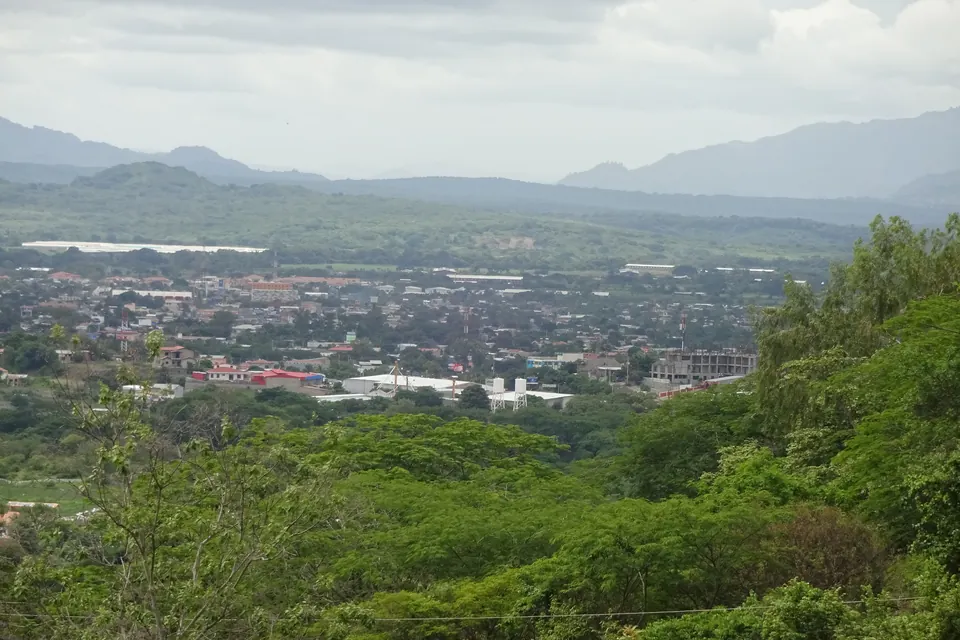
The firm grew fast. By 2005 it made about 6 million cigars a year, and by 2009 that figure had more than doubled. Its factory in Estelí now covers around 60,000 square feet. Our guide to Nicaraguan cigars explains why so many makers chose this town.
Along the way, Oliva added other brands. For example, it created Nub, a range of short and thick cigars. The company also makes the stronger Cain brand. Meanwhile, its offices sit in Miami Lakes, Florida.
The J. Cortès sale
In 2016 Oliva agreed to sell to J. Cortès, a Belgian family company best known for machine-made cigars in Europe. The sale took effect on 1 July 2016, according to Cigar Aficionado. It covered the Oliva, Nub and Cain brands as well as the Estelí factory.
Even so, day-to-day control stayed with the family. José Oliva remained chief executive after the sale. As a result, the cigars kept their hand-rolled methods and familiar blends.
Main lines of Oliva cigars
The range is broad but easy to follow. Here are the lines most smokers meet.
| Line | Wrapper | Strength |
|---|---|---|
| Serie G | Cameroon | Medium |
| Serie O | Habano-seed, sun-grown | Medium |
| Serie V | Ecuadorian Habano (sun-grown) | Full |
| Serie V Melanio | Ecuadorian Sumatra | Medium to full |
| Connecticut Reserve | Ecuadorian Connecticut | Mild to medium |
| Nub | Varies by version | Mild to full |
Serie V is the flagship. It uses a strong ligero leaf from the top of the plant for extra depth. In contrast, Serie G is easier going, which makes it a common first Oliva.
Serie V Melanio, named after the family patriarch, is the line that won the most praise. Cigar Aficionado named it Cigar of the Year for 2014. For a close look, see our Oliva Serie V Melanio review.
House style
In general terms, Oliva tastes rich, creamy and slightly sweet, with cocoa, coffee and a peppery edge. The Nicaraguan filler gives body, while the choice of wrapper sets the tone. A Cameroon leaf adds toasty sweetness, whereas a sun-grown Habano leaf adds spice and weight.
Construction is a strong point. Most smokers report firm, even rolling and a reliable draw.
Strengths and criticisms
On the plus side, Oliva cigars offer good consistency at many price levels. The range covers mild to full, so smokers can stay with one maker as their taste changes. In addition, Melanio’s award gave the brand real standing among critics.
However, some smokers feel the family style is a little uniform across lines. Others point to the 2016 sale and ask whether a larger owner might change things over time. So far, though, the core blends have stayed much the same.
Oliva in Malaysia
Oliva has a modest following in Malaysia, mainly among smokers who enjoy Nicaraguan cigars. Local search interest is small next to the Cuban houses. Non-Cuban brands also tend to be harder to find locally than Habanos.
If you bring cigars back from a trip, check our guide to bringing cigars into Malaysia. In addition, Malaysia’s humid climate can turn a box mouldy, so read our guide on how to store cigars. Cigars are never a safe habit; see our page on cigar health risks.
Where to read more
- Nicaraguan cigars: the country, its regions and its leaf
- Padrón and Perdomo: two more Estelí houses
- Cigar brands: every profile in our directory
Frequently asked questions
Who owns Oliva cigars?
J. Cortès Cigars, a Belgian family company, bought Oliva in 2016. The sale included the Oliva, Nub and Cain brands and the Estelí factory. Members of the Oliva family stayed on to run the business.
Where are Oliva cigars made?
In Estelí, Nicaragua, at the company’s own factory. Most of the filler and binder tobacco is Nicaraguan, while wrappers come from Nicaragua, Ecuador and Cameroon.
Which Oliva cigar is mildest?
Of the core lines, Serie G with its Cameroon wrapper and the Connecticut Reserve are the gentlest. Serie V is the strongest of the well-known lines. Our cigar strength guide explains the scale.
What is Nub?
Nub is an Oliva brand of short, thick cigars, designed to reach their best flavour quickly. It sits alongside the Oliva lines in the same company.