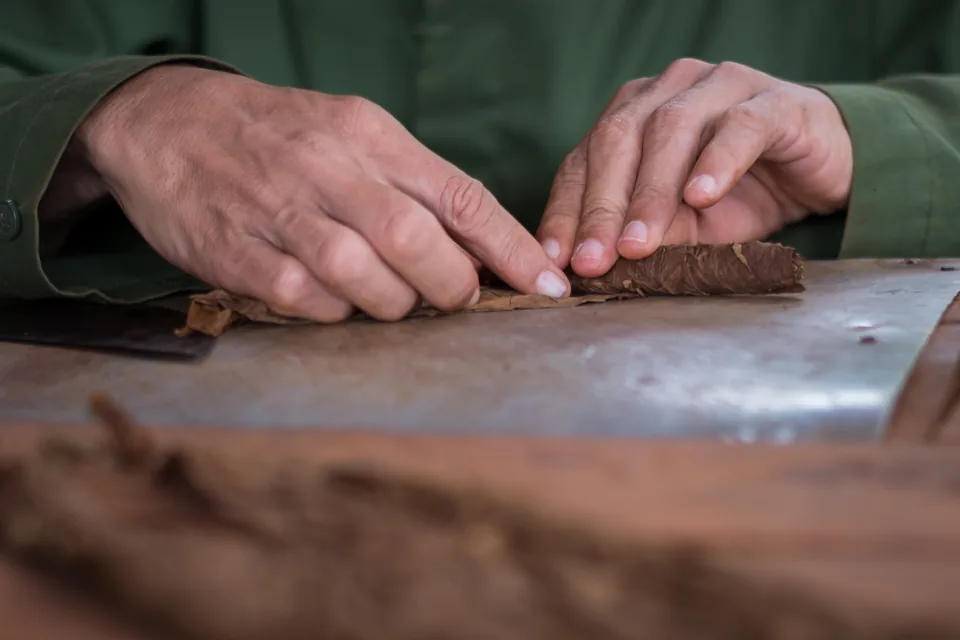
My Father Cigars is a young company with very old skills behind it. Its founder, José “Pepín” García, spent decades rolling and blending in Cuba before he left. In the United States and then Nicaragua, he and his children built a brand that has twice topped Cigar Aficionado’s annual list. This profile covers the family, the factories, the main lines and the house style.
Pepín García’s Cuban years
Pepín García was born in 1950 in Báez, in central Cuba. He started working with tobacco at the age of 11. Over about 40 years he became a top-grade torcedor, or master roller, and a respected blender.
According to his biography, he once rolled 320 cigars in four hours to win a productivity prize. He also worked on blends for major Cuban houses. That background explains why his cigars aim for a Cuban-style richness, even though they use Nicaraguan leaf.
From Miami to Estelí
García left Cuba in 2001. First he went to Nicaragua, then to Miami. There, in 2002 and 2003, he set up El Rey de los Habanos, a small cigar factory, with his son Jaime and daughter Janny.
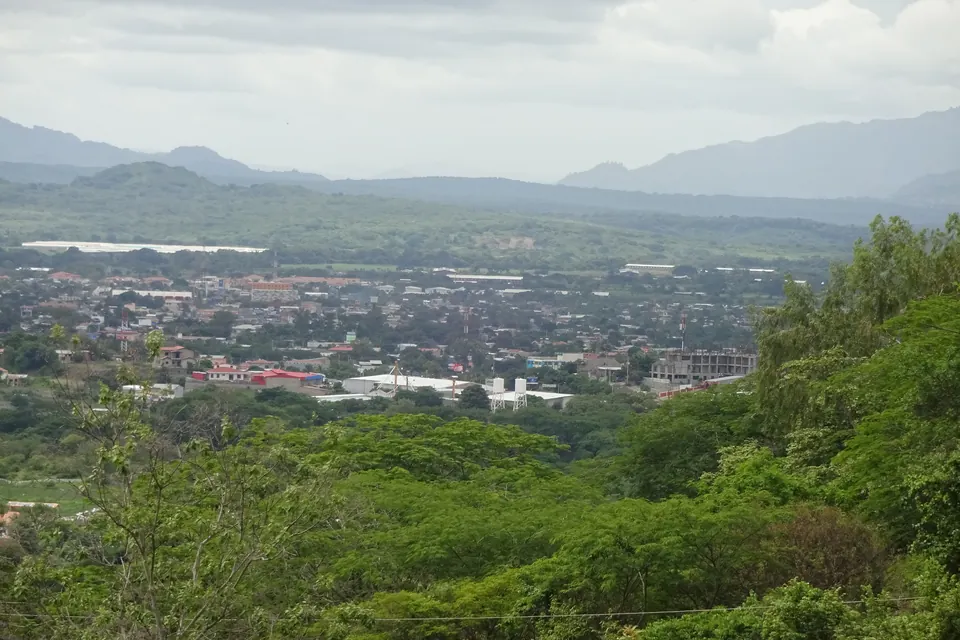
Demand soon outgrew the Miami rollers. So, in 2006, the family opened a factory in Estelí, Nicaragua. Later they built a larger site, often described as the García family industrial park. Today the family also runs a factory in El Paraíso, Honduras. Our guide to Nicaraguan cigars explains why Estelí draws so many makers.
How My Father Cigars got its name
The name has a simple story. Jaime García worked on a new blend without telling his father. When Pepín tried it, he was moved to hear that Jaime planned to call it My Father. The cigar launched in 2008, and the name soon became the name of the whole company.
That family spirit runs through the range. For example, Le Bijou 1922 honours Pepín’s own father. Jaime and Janny also hold senior roles, so two generations of the family shape what the factory makes.
Main lines of My Father cigars
The catalogue is large, so here are the lines most smokers know.
| Line | Wrapper | Strength |
|---|---|---|
| My Father (original) | Ecuadorian Habano | Full |
| My Father Le Bijou 1922 | Ecuadorian Habano (Cuban-seed) | Full |
| My Father The Judge | Ecuadorian Sumatra | Full |
| Flor de las Antillas | Nicaraguan sun-grown | Medium to full |
| My Father Connecticut | Ecuadorian Connecticut | Medium to full |
| La Opulencia | Mexican, dark | Medium to full |
Le Bijou 1922 is often box-pressed and dark. It was Cigar of the Year in 2015, and our My Father Le Bijou 1922 review looks at its torpedo. Meanwhile, Flor de las Antillas took the same title in 2012, and it is a little gentler.
House style
In general terms, the García style is bold, peppery and rich. Smokers commonly describe black pepper, dark cocoa, coffee and a sweet spice. Most lines use Nicaraguan binder and filler from the family’s own farms.
Even so, the cigars aim for balance rather than raw power. The family says its cigars are rooted in Cuban tradition. As a result, many smokers describe them as strong but refined.
Strengths and criticisms
On the plus side, My Father cigars have a strong record for rolling quality and flavour. Two Cigar of the Year titles in four years is a rare result. In addition, the range offers many shapes and wrappers within one family style.
That said, the criticisms are fair. Many lines are strong, so they suit experienced smokers more than beginners. Some critics also find the peppery profile similar from line to line. Finally, the many related brands, such as Don Pepín García and Jaime García, can confuse newcomers.
My Father in Malaysia
My Father is a niche name in Malaysia, known mainly to smokers who seek out Nicaraguan cigars. Local search interest is low, and non-Cuban brands tend to be harder to find than Habanos. Because of that, some smokers first try these cigars while travelling abroad.
If you are new to strong cigars, start with our beginner’s guide and smoke slowly. Full-bodied cigars carry high nicotine, so read our page on cigar health risks. For travel, see our guide to bringing cigars into Malaysia.
Where to read more
- Nicaraguan cigars: Estelí, Jalapa and Condega
- Padrón: another Cuban exile’s Estelí house
- Cigar brands: every profile in our directory
Frequently asked questions
Why is the brand called My Father?
Jaime García created a blend as a tribute to his father, Pepín, and named it My Father. The name later became the name of the whole company.
Where are My Father cigars made?
Mainly in Estelí, Nicaragua. The family also runs a small factory in Miami and a factory in El Paraíso, Honduras.
Are My Father cigars strong?
Most are medium-full to full. Le Bijou 1922 and The Judge sit at the strong end, while My Father Connecticut is the gentlest of the main lines. See our cigar strength guide.
Does My Father make cigars for other brands?
Yes. The Garcías have rolled cigars for other companies, including Tatuaje and Ashton’s La Aroma de Cuba.